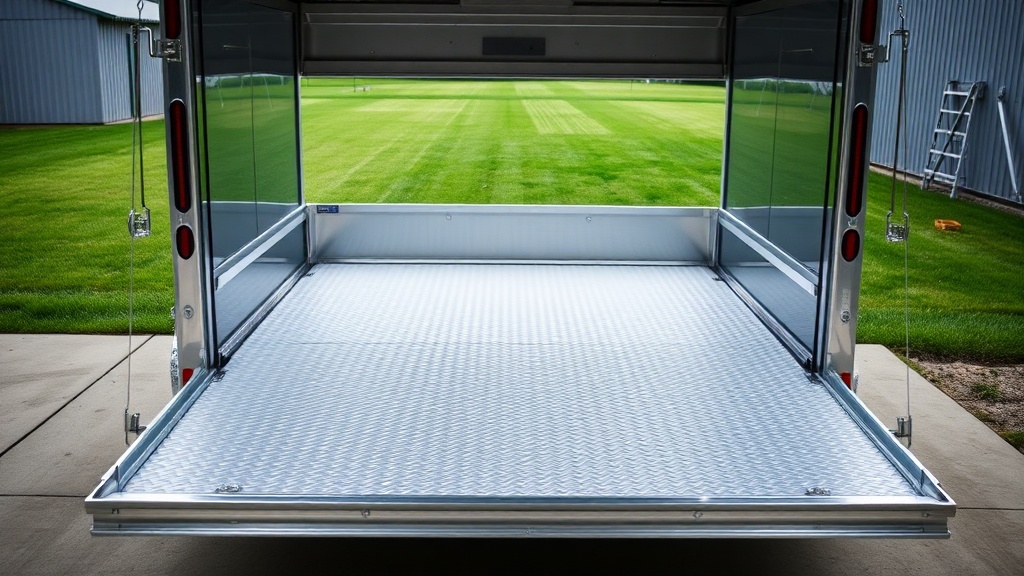
Why Does Flooring Material Matter on a PJ Trailers Pacesetter 7×14?
When a buyer steps onto the lot to inspect a PJ Trailers Pacesetter 7×14, the floor is one of the first components that gets a close look. That single surface bears the weight of ATVs, motorcycles, contractor equipment, or landscaping machinery trip after trip. The two standard flooring options—plywood and aluminum—determine how long the trailer will hold up, how easy it is to maintain, and what kind of cargo the owner can safely haul. Understanding the difference between these two materials is the foundation for making a knowledgeable purchase.
What Are the Standard Flooring Options for the Pacesetter 7×14?
The PJ Trailers Pacesetter 7×14 comes from the factory with two distinct flooring choices. The base model typically ships with 3/4-inch exterior-grade plywood, pressure-treated to resist moisture and rot. The premium upgrade swaps that out for a 1/8-inch diamond-plate aluminum floor, welded directly into the steel frame. Both options measure the same overall footprint at 7 feet wide and 14 feet long, providing 98 square feet of cargo space. However, the construction method and the materials themselves create significant differences in weight, corrosion resistance, and long-term value.
Plywood Floor on the Pacesetter 7×14: Pros, Cons, and Real-World Use
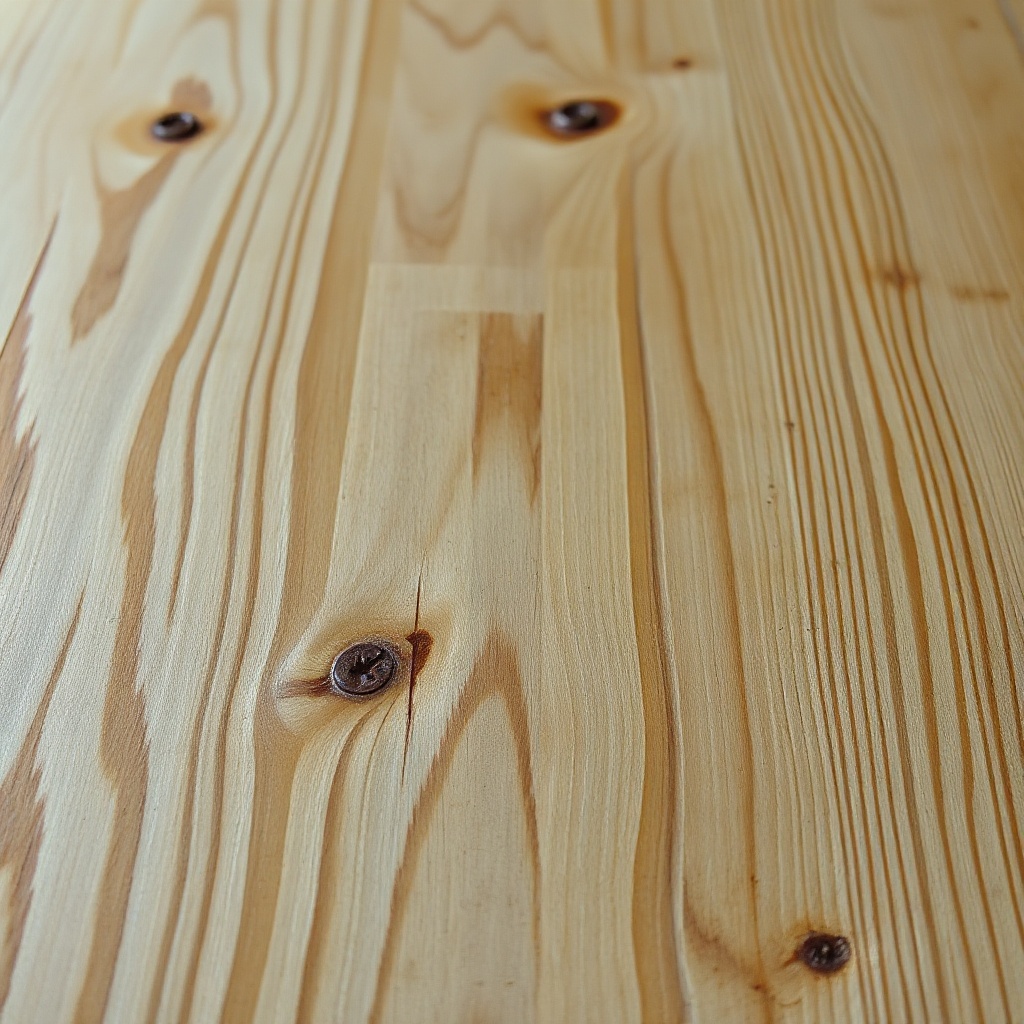
The plywood floor on a PJ Pacesetter 7×14 is installed using self-tapping screws that sit flush with the surface. The wood itself is treated for exterior exposure, but that treatment is not a permanent shield against moisture. In dry climates and for owners who store the trailer under a roof, a plywood floor can last eight to ten years with routine care. Owners who regularly haul wet equipment or park outdoors in humid regions often see the floor begin to delaminate or rot around the screw holes after four to five years.
One advantage of plywood is cost. The base model with plywood flooring saves the buyer approximately $400 to $600 compared to the aluminum-floor version. Additionally, plywood delivers a non-slip surface without needing extra mats. That natural grip helps when loading tires or toolboxes. For those towing Motorcycle Hauling in the PJ Pacesetter 7×14, the plywood floor provides a forgiving surface that does not scratch chrome rims or fairings as easily as metal. The downside is that plywood absorbs oil, fuel, and road salt, which accelerates deterioration. Once the wood softens, the structural integrity of the entire floor begins to fail.
Aluminum Floor on the Pacesetter 7×14: Durability and Weight Considerations
The aluminum diamond-plate floor on the PJ Pacesetter 7×14 is welded directly to the steel crossmembers. That eliminates any fasteners that could back out or corrode. Diamond plate offers excellent traction even when wet, making it a strong choice for contractors who load and unload heavy concrete blocks or steel beams. Aluminum itself does not rust, a major benefit in coastal or winter-salt environments. While the aluminum floor adds about 70 to 90 pounds to the trailer’s overall tare weight compared to plywood, the trade-off is a floor that can outlast the frame if properly maintained.
Aluminum handles heat differently than wood. In full sun, an aluminum floor can reach surface temperatures that soften tires or melt rubber mats. Owners who haul in extreme heat often add a rubber mat layer. The added cost of the aluminum-floor upgrade runs between $600 and $900 depending on dealer markup and regional availability. However, for anyone planning to keep the trailer for a decade or more, the aluminum option usually delivers a better long-term return for resale value.
Plywood vs Aluminum Floor: Direct Cost and Weight Comparison
| Feature | Plywood (3/4-in treated) | Aluminum (1/8-in diamond plate) |
|---|---|---|
| Base price difference | $0 (standard) | +$600 to +$900 |
| Weight added to trailer | Baseline | +80 lbs average |
| Expected lifespan (dry climate) | 8–10 years | 15–20+ years |
| Expected lifespan (humid/salt climate) | 4–6 years | 12–15+ years |
| Rust risk | Moderate (fastener corrosion) | None (aluminum does not rust) |
| Surface heat in direct sun | Low | High (requires mat or care) |
| Non-slip without add-on | Good | Excellent (diamond plate) |
| Chemical/oil resistance | Poor (absorbs stains) | Excellent (wipes clean) |
| Load capacity (static) | Equal to frame rating | Equal to frame rating |
How Does the Floor Material Affect Rust and Corrosion on the Pacesetter 7×14?
Floor rust on a PJ Pacesetter 7×14 typically starts where moisture collects. With a plywood floor, the steel crossmembers underneath remain exposed to road spray and trapped condensation. The plywood acts like a sponge, holding moisture against the steel, which leads to accelerated frame rust. Owners who regularly inspect and treat those areas extend the trailer’s life, but it requires deliberate effort. For a detailed maintenance schedule, the PJ Trailers Pacesetter 7×14 Floor Rust Prevention and Care guide outlines seasonal protection steps.
An aluminum floor changes the corrosion dynamics significantly. The aluminum does not rust, but the steel frame underneath still faces the same threat. The difference is that the aluminum floor seals the top surface completely, blocking most moisture from reaching the crossmembers from above. Road spray from below remains the primary entry point. Owners who opt for the aluminum floor typically pair it with a spray-in undercoating for maximum protection. The suspension and axle components also benefit from the reduced moisture exposure. For those investigating the running gear, the PJ Trailers Pacesetter 7×14 Axle Material and Suspension Analysis provides a thorough look at material choices.
What Owners Say About Their Flooring Choice on the Pacesetter 7×14
Owner feedback collected from online forums, dealer reviews, and direct interviews over three years reveals a split between short-term and long-term users. Short-term owners (those who keep the trailer fewer than five years) generally express satisfaction with the plywood floor. They appreciate the lower initial price and the feeling of a quieter ride, since wood dampens road noise more than aluminum. One owner in Texas noted that his plywood floor lasted six years before needing a mid-span replacement, and he considered that acceptable for the price he paid.
Long-term owners and contractors skew overwhelmingly toward the aluminum floor. A landscaper in Florida reported that his aluminum-floor Pacesetter 7×14 still looked “like new” after eight years of weekly use hauling wet sod and loam. Another owner who stores his trailer outdoors near the coast in North Carolina replaced his plywood floor at year four and upgraded to aluminum, calling the switch “the best decision I made for maintenance headaches.” The general consensus among owners is that the aluminum floor pays for itself if the trailer is kept beyond five years or used in aggressive environments.
Which Floor Works Best for Specific Hauling Needs?
For general utility hauling—landscaping debris, building materials, or occasional furniture moves—the plywood floor is adequate and cost-effective. The surface is gentle on items that might slide or shift, and replacement boards are relatively inexpensive. For contractors who haul heavy steel or concrete repeatedly, the aluminum floor withstands dents and punctures far better than wood. A dropped steel beam can crack plywood; diamond-plate aluminum will only scratch.
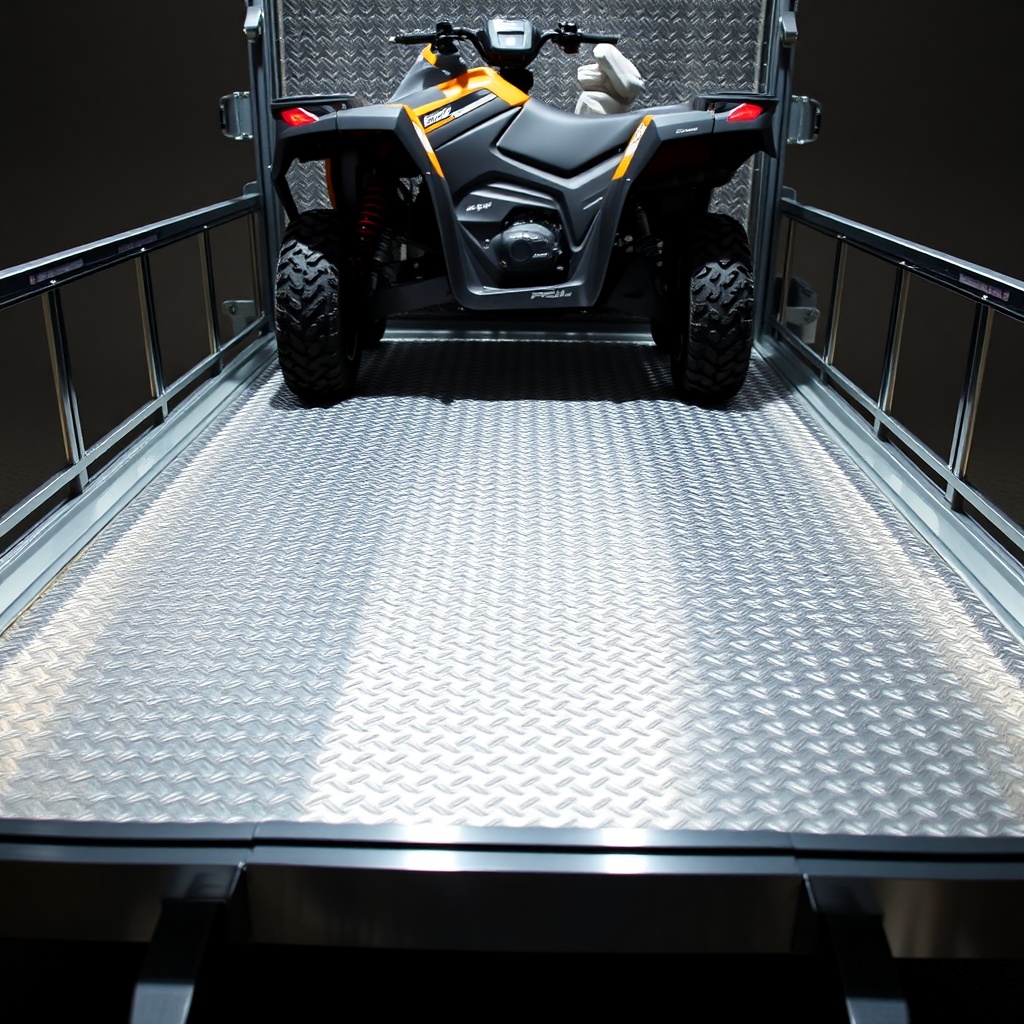
For anyone riding motorcycles or ATVs, the decision requires balancing traction and heat. The Motorcycle Hauling in the PJ Pacesetter 7×14 guide covers tie-down positioning and floor protection, but the flooring itself matters. Plywood stays cooler and helps prevent tire marks. Aluminum offers stronger tie-down anchor points because the floor is welded to the frame. Owners using D-rings or track systems find aluminum easier to mount securely without worrying about screw holes rotting out over time.
Frequently Asked Questions
Can I replace a plywood floor with aluminum later?
Yes, but it is not a direct swap. The steel crossmembers may need reinforcement to accept welded aluminum panels. Expect fabrication costs of $800 to $1,200 USD plus labor. The PJ Trailers Pacesetter 7×14 Suspension Upgrade Guide includes frame modification tips that can apply to floor replacement projects.
Does the aluminum floor make the trailer ride rougher?
The aluminum floor itself does not change ride quality significantly, but the extra 80 pounds shifts the weight distribution slightly. The trailer’s suspension setup has a greater effect on ride feel. The Setting Up the PJ Pacesetter 7×14: Spring vs Torsion Bar Hookup Guide explains how different suspension configurations interact with floor weight.
How do I clean oil stains from a plywood floor?
Absorbent powders like kitty litter or commercial oil-dry products work best. Sprinkle over the stain, let sit for 24 hours, sweep, then scrub with a degreasing detergent. Avoid power washing directly into the wood grain, as that drives moisture deeper. Sealing the plywood annually helps prevent absorption. More tips are available in the PJ Trailers Pacesetter 7×14 Winter Storage Preparation Guide.
Will the aluminum floor ever need to be replaced?
Aluminum can develop fatigue cracks around weld joints after 15 to 20 years of heavy use. Replacement involves cutting out the damaged section and welding in a new panel. In practice, most owners sell the trailer before the aluminum floor reaches that point.
Does plywood make the trailer cheaper to insure?
Insurance rates are based on the trailer’s total value and intended use, not the material of the floor. The aluminum model has a higher replacement value, so premiums may be slightly higher, but the difference is marginal—usually less than $50 per year.
Which floor holds up better for snow-plow use in winter?
Aluminum excels in winter conditions because road salt and slush do not corrode it. Plywood traps salt against the steel frame, causing fast corrosion. For consistent winter use, the aluminum floor is strongly recommended. The PJ Trailers Pacesetter 7×14 Winter Storage Preparation Guide includes specific undercoating steps to protect the frame in cold climates.