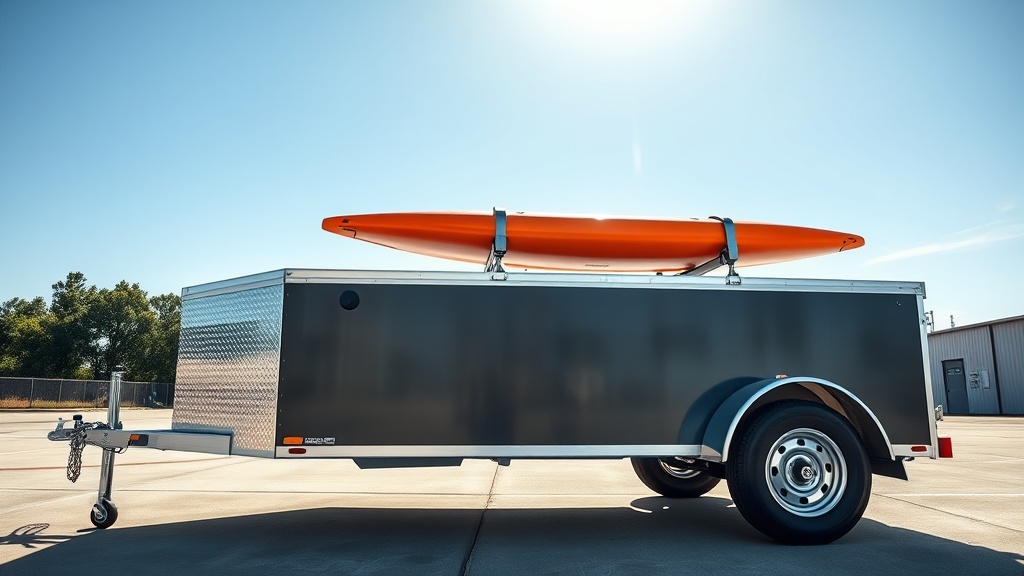
How Is the Continental Cargo Cargomate 6×10 Roof Structurally Built?
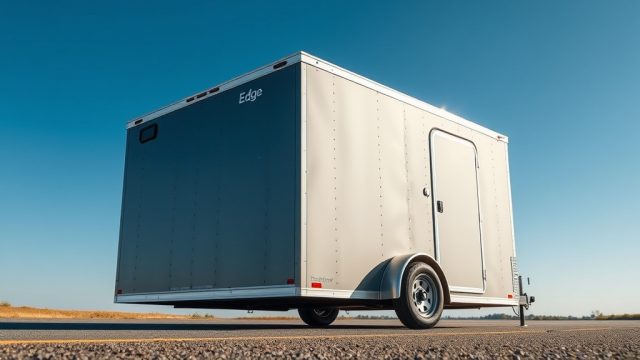
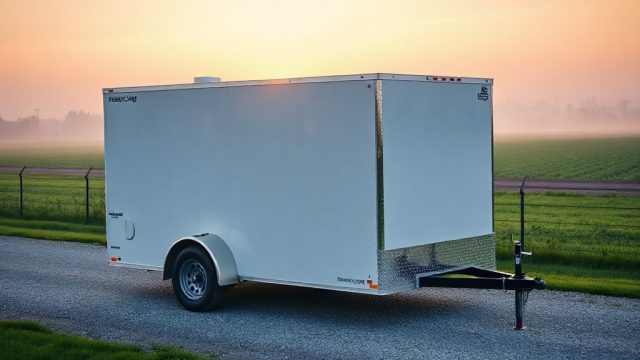
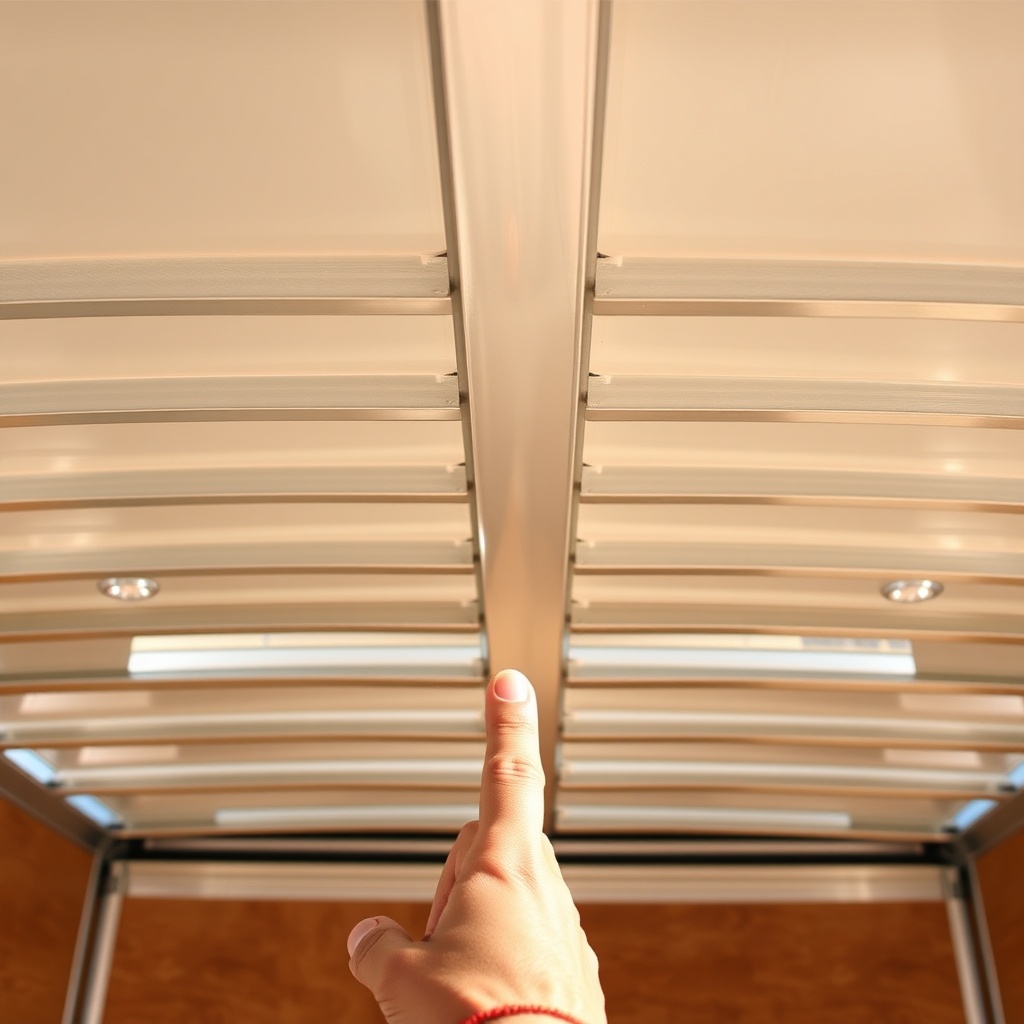
The roof of the Continental Cargo Cargomate 6×10 is a key structural component that directly determines its load-bearing capability. Unlike some budget trailers that use thin, single-sheet aluminum over lightweight bows, the Cargomate employs a formed aluminum roof sheet that is mechanically fastened to a series of roof bows spaced on 16-inch centers. These bows are constructed from 1-inch, 20-gauge formed hat sections, creating a rigid, channeled framework that distributes vertical loads evenly across the roof’s perimeter.
The roof sheet itself is a 0.040-inch (roughly 18-gauge) aluminum alloy, chosen for its balance of strength and corrosion resistance. The attachment method—self-tapping aluminum screws with sealing washers—is backed by a continuous bead of non-sag sealant along each bow contact point. This system prevents water intrusion while maintaining a solid mechanical bond. All roof seams are double-sealed, and the transition to the sidewalls uses an extruded aluminum roof rail that adds lateral stability. For owners considering any roof-mounted cargo, understanding this structural anatomy is critical: the load capacity depends not just on the aluminum skin, but on how well the bows transfer weight to the sidewalls and main frame.
What Is the Official Roof Load Capacity of the Continental Cargo Cargomate 6×10?
Continental Cargo rates the roof of the Cargomate 6×10 for a uniformly distributed load of 250 lbs (113 kg). This rating applies when the load is spread evenly across the entire roof surface, not concentrated in one small area. For example, a lightweight canoe carrier, a pair of roof-mounted cargo baskets, or a bundled set of 8-foot aluminum ladder racks would fall within this limit—provided they are properly distributed.
Concentrated loads are a different story. If you place a 250-lb engine block directly on one single roof bow, the localized stress can exceed the bow’s yield point, causing permanent deformation or even a puncture. The rule of thumb is: never put more than 75 lbs (34 kg) on any single square foot of roof surface. Here is the official spec table for quick reference:
| Uniformly Distributed Roof Load | 250 lbs (113 kg) |
| Concentrated Load per Sq. Ft. | 75 lbs (34 kg) |
| Maximum Single-Point Load (e.g., roof rack mounting foot) | 40 lbs (18 kg) |
| Recommended Static Load (aired down tires, parked) | 300 lbs (136 kg) |
| Roof Sheet Material | 0.040″ aluminum alloy |
| Bow Spacing | 16 inches (406 mm) |
It’s important to note that the 250-lb rating is for stationary use while the trailer is parked. Dynamic loads while towing (wind lift, vibration, road shock) can effectively reduce the safe working load by 25–30%. If you plan to travel with gear on the roof, you should limit the total to about 180 lbs (82 kg) and ensure everything is firmly secured with tie-downs that attach to the sidewall D-rings, not the roof sheet.
What Building Materials and Manufacturing Processes Affect Roof Durability?
The Cargomate 6×10’s roof durability comes down to three key areas: the aluminum alloy itself, the fastener quality, and the sealing method. The 0.040-inch aluminum used is a 5052-H34 alloy, which offers excellent fatigue resistance and moderate yield strength (around 36,000 psi). This alloy is less prone to cracking under repeated thermal expansion and contraction than cheaper 3003 series alloys found in many entry-level trailers.
The factory-installed screws are zinc-plated self-drillers with EPDM sealing washers. While adequate, they are not stainless steel. Over time, corrosion around the screw heads—especially in road salt or coastal environments—can compromise the seal and the load-bearing capacity of the fasteners. This is one reason why the Continental Cargo Cargomate 6×10 Rust Inspection and Prevention Guide recommends annual inspection and re-sealing of all roof fasteners, particularly in the gutters and along the roof rail.
The manufacturing process for the roof includes a continuous seam at the front (nose) cap, where the aluminum sheet is formed over a curved die and riveted to a reinforced bow. This nose area is a known stress concentration point: the sharper the radius, the higher the chance of metal fatigue. Continental Cargo uses a 2-inch radius at the front transition, which is gentler than some older designs, but owners should still avoid placing loads directly over the front 6 inches of the roof.
Behind the nose, the roof is a single, one-piece aluminum sheet welded to internal hat-section stringers (not just bows) running front to back. These stringers are made from 0.060-inch steel—a reinforcement that contributes significantly to the roof’s ability to handle heavier, longer loads like surfboards or lumber bundles. They are primed before installation to reduce internal rust. The attachment points for any roof-mounted accessory should ideally align with these steel stringers, not just the aluminum bows.
How Does the Roof Compare to Other Trailers in the Same Weight Class?
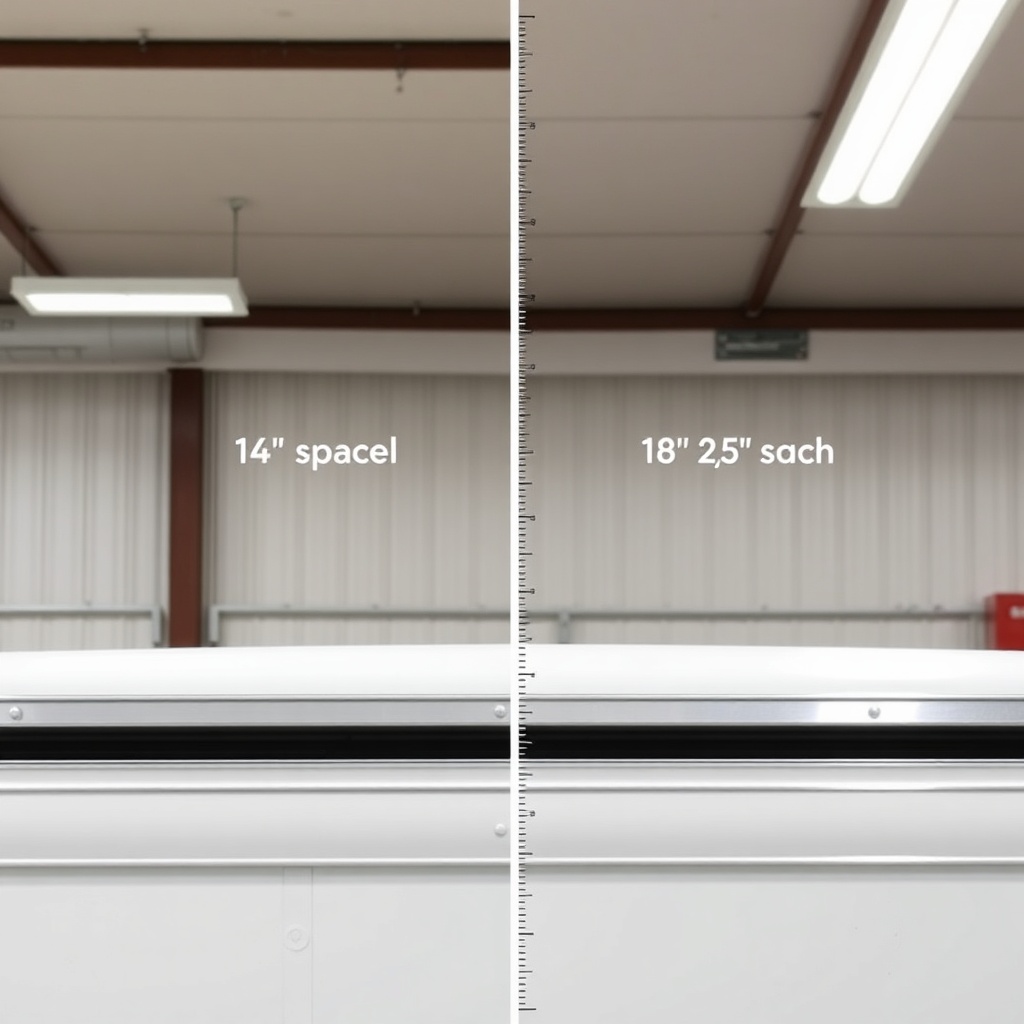
Within the 6×10 cargo trailer market, the Cargomate’s roof construction sits at the upper end of the mid-range segment. Many competitors in the $5,500–$7,500 USD price range (such as the Haulmark Edge or the Interstate Cargo 6×10) use 0.030-inch aluminum skins with 18-inch bow spacing. The Cargomate’s 0.040-inch skin and 16-inch spacing give it a meaningful advantage in puncture resistance and load distribution.
However, it does not match the heavy-duty stand-alone roof structure found on some premium brands like the Wells Cargo Pro or the CargoMate C2, which use 0.050-inch skins and steel roof bows rated for 400+ lbs. Those trailers also cost roughly $2,000–$3,000 USD more. For the typical owner—carrying kayaks, lightweight rooftop tents (under 100 lbs), or building materials—the Cargomate’s roof is more than adequate. It’s also notable that the Cargomate includes a factory-installed walk-on roof option (rated to 500 lbs) for an extra $750 USD, which includes doubled roof bows and a thicker aluminum sheet. If you plan to frequently access the roof for cargo, that upgrade is highly recommended.
When it comes to roof vent compatibility, the Cargomate’s roof structure is cutout-friendly for standard 14×14-inch vent fans. But adding a roof vent slightly reduces local structural integrity around the cutout. If you add a vent, use a stiffening frame kit. This is covered in detail in the Continental Cargo Cargomate 6×10 Roof Vent Condensation Prevention Tips article, which addresses how proper installation prevents condensation damage to the roof panel itself.
What Are the Risks of Exceeding the Roof Load Limit?
Exceeding the 250-lb uniform roof load can cause several types of damage, some immediate and some cumulative. The most common issue is bow deformation. When a single bow is overloaded, it bends downward permanently. This not only creates a visible sag in the roof line but also reduces the roof’s ability to carry any future load. A sagged bow puts additional stress on adjacent bows, creating a chain reaction that can lead to the roof sheet tearing at the fastener holes.
Another risk is fastener failure. Overloaded roofs cause the screws to work-harden and fatigue. The EPDM washer may compress beyond its rebound limit, resulting in a leak path. If the leak goes undetected, water enters the rafters and can rot the plywood floor or corrode the steel sidewall posts. Regular fastener inspection is critical—the Continental Cargo Cargomate 6×10 Coupling Latch Inspection and Maintenance Guide (while focused on coupling hardware) follows the same yearly inspection schedule that should also apply to roof fasteners.
Structural buckling of the roof rail is a worst-case scenario. If you carry a heavy load that is not properly distributed, the roof rail (which transfers load from the roof structure to the sidewalls) can buckle inward. This misaligns the door openings and can make the ramp door or side doors hard to close. Repairing a buckled roof rail involves removing roof panels and replacing the rail section, which can cost $1,200–$2,000 USD depending on labor rates. Prevention is far cheaper: always load heavy items on the floor, not the roof, and use a roof rack that spreads its feet across at least three bows.
What Owners Say: Real-World Experiences with Roof Loading
In online owner forums and Facebook groups dedicated to the Cargomate 6×10, the roof’s real-world capacity is a frequent topic. A fleet manager from Ohio who uses his Cargomate to transport fiberglass insulation bundles reports consistently loading the roof with two 40-lb bundles (80 lbs total) for over 18 months with no visible sag. He stresses that he places a 3/4-inch plywood sheet over the entire roof first to spread the load.
A kayak guide in Florida says he carries three 12-foot kayaks on a custom roof rack—total weight around 105 lbs—and has towed over 8,000 miles without issue. He did upgrade the roof screws to stainless steel (an aftermarket modification) after seeing slight corrosion at the factory screw heads. Several owners echo this: the factory hardware is adequate for the rated weight, but upgrading to stainless is a cheap insurance policy.
However, one owner in Colorado reported a 1-inch sag after carrying a 180-lb rooftop tent (manufacturer claimed weight) for three months. He discovered the tent’s crossbars were applying point loads directly on the aluminum sheet between bows, not on the steel stringers. After reinforcing the roof with an additional crossbar bracket system, he has not seen further deformation. This highlights the importance of understanding where the actual structural support lies—not just the bows, but the hidden steel stringers.
Another common complaint: the roof is not designed for walking, even with the walk-on option. Several owners who used the roof as a photography platform (standing on crossed feet on carpet) without the walk-on option report permanent foot-shaped depressions. Continental Cargo’s official stance is that the roof should never be walked on, even with the upgrade, unless you are on the specified walk-on path. For safer roof access, consider building a lightweight step stool or a ladder that attaches to the side door. The Continental Cargo Cargomate 6×10 Ramp Door Conversion: Step-by-Step Guide offers an alternative way to load heavy items without putting weight on the roof.
Frequently Asked Questions About the Continental Cargo Cargomate 6×10 Roof Load Capacity
Q: Can I install a roof top tent on the Continental Cargo Cargomate 6×10?
A: Yes, but only if the total weight of the tent plus the occupant(s) stays under the 250-lb uniform load limit. Most lightweight tents (under 100 lbs) are acceptable, but you must use a roof rack that spreads the feet across at least three roof bows and two steel stringers. Avoid placing the tent’s mounting tracks directly on the aluminum sheet.
Q: What is the best way to distribute heavy items on the roof?
A: Use a 3/4-inch plywood or composite board as a load-spreading platform. Attach it to the roof via the sidewall D-rings (not through the roof sheet) with straps. This platform transfers the load evenly to the bows and stringers, significantly reducing the risk of deformation.
Q: Is the roof walkable for cleaning or maintenance?
A: No. The roof is not designed for walking. Even with the optional walk-on upgrade, Continental Cargo recommends using a ladder and stepping only on the designated walk-on path reinforced by the stringer system. Walking on the unsupported areas will cause dents and possible leaks.
Q: How do I know if my roof is overloaded?
A: Look for visible sagging between bows, especially near the center of the roof. Measure the height from the roof to the ground at the front, middle, and rear. A difference of more than 1/2 inch across the length indicates overload. Also check for bulging or buckling at the roof rail seam.
Q: Can I replace the roof sheet if it gets damaged?
A: Yes, but it is a complex job that requires removing all roof vents, rain gutters, and front cap trim. The replacement sheet must be precisely cut to match the curvature. Professional installation can cost $800–$1,500 USD, including materials. For minor dents, a body shop can sometimes repair them with aluminum filler.
Q: Does the roof load rating change if I add a roof vent?
A: Yes. Cutting a vent reduces the local cross-sectional strength. The affected area’s load capacity drops to roughly 60–70% of the original rating. You must reinforce the cutout with a 2×2-inch aluminum angle frame or a prefabricated vent reinforcement kit to restore the original capacity.