Introduction
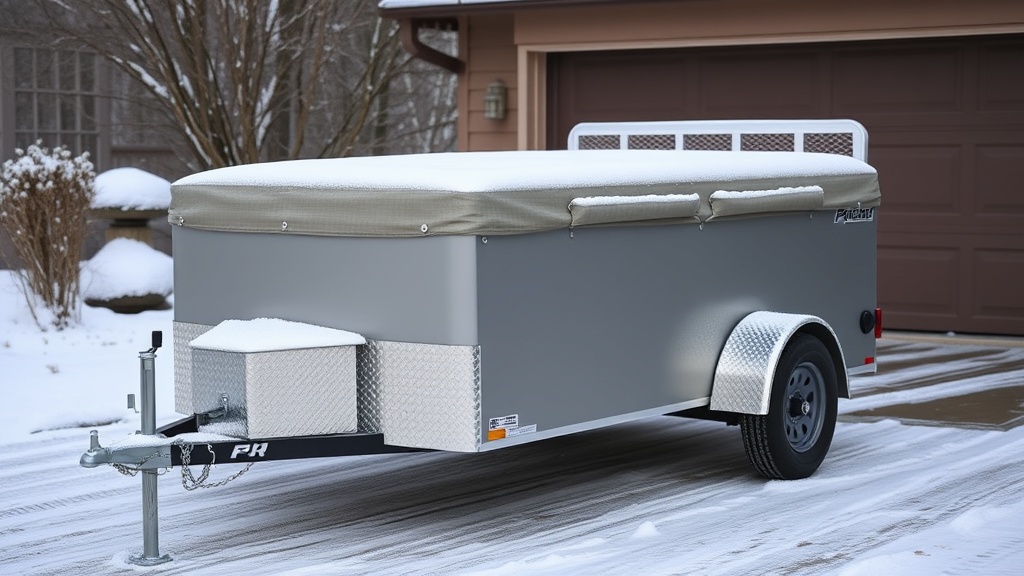
If you own a PJ Trailers Pacesetter 7×14, winter storage isn’t something to rush through. The Pacesetter 7×14 is a rugged, all-steel utility trailer built for heavy loads, but that same steel frame and floor are vulnerable to moisture, ice, and salt accumulation when left idle through a cold season. This guide walks you through a step-by-step approach to prepping your PJ Pacesetter for winter, from undercarriage protection to tire wear management.
How Should I Clean and Dry the Undercarriage Before Storage?
The first step in winterizing any utility trailer is a thorough cleaning of the underside. The PJ Pacesetter 7×14 uses a powder-coated steel frame and a diamond-plate or treated-plywood floor depending on the model year. Grime that looks harmless in October turns into a corrosion catalyst by February. Start with a pressure wash aimed at the frame rails, leaf spring hangers, and crossmembers. Pay special attention to the cavity above the axle mounts where road salt collects. Let the trailer air-dry for at least four hours in direct sunlight, or use a leaf blower to chase water out of boxed sections.
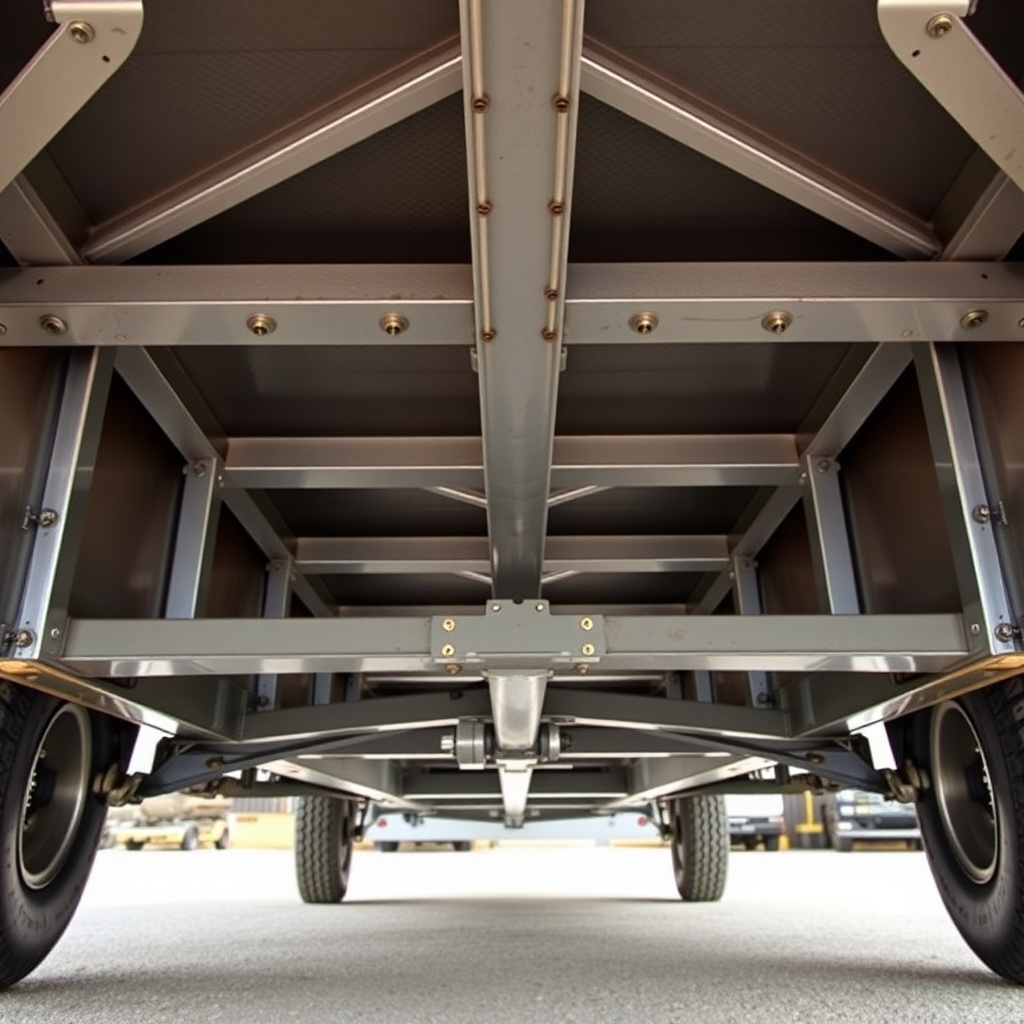
After drying, wipe down all exposed metal surfaces with a rust-inhibitor spray—boeshield or a lanolin-based product works well on the spring packs and axle tube. Avoid petroleum-based grease on the frame because it turns into a dirt magnet. If your Pacesetter has a plywood floor, now is the time to apply a coat of PJ Trailers Pacesetter 7×14 Floor Rust Prevention and Care sealant, focusing on the edges where the wood meets the steel channel.
What Lubrication Points Should I Protect From Freeze?
The PJ Pacesetter 7×14 uses standard automotive-style grease zerks on the leaf spring shackles and on the tongue jack. Water in a grease zerk that freezes can crack the fitting or force the grease cup seal off. Pump fresh NLGI #2 lithium grease into every fitting until you see clean grease exiting the joint—do not mix greases. The coupler latch mechanism also needs a light spray of silicone lubricant; thick grease there will harden at low temps and make hitch release difficult.
Check the brake actuator if your model has electric brakes. WD-40 or penetrating oil will wash out the factory lubricant, so use a dielectric grease on the electric brake magnet slides. For models with a surge coupler, the master cylinder reservoir should be topped up with DOT 3 fluid—not silicone—and the rubber bleed cap installed to keep out air moisture.
| Lubrication Point | Recommended Product | Freeze Risk (1–5) |
|---|---|---|
| Leaf spring shackle zerks | NLGI #2 lithium grease | 4 |
| Tongue jack grease fitting | NLGI #2 lithium grease | 4 |
| Coupler latch mechanism | Silicone spray | 2 |
| Electric brake magnet slides | Dielectric grease | 3 |
| Surge coupler master cylinder | DOT 3 fluid | 1 |
How Do I Protect the Tires and Bearings Against Cold and Flat-Spotting?
Even brand-new PJ Pacesetter 7×14 tires can develop flat spots when the trailer sits parked for two or three months below freezing. Inflate each radial tire to 50 PSI cold, which is 5 PSI above the typical 45 PSI max sidewall rating on the standard 205/75R15 load range C tires. The higher pressure reduces the tire contact patch and helps prevent the rubber from taking a set. If the trailer will sit on concrete, lay a sheet of 3/4-inch plywood under each tire to insulate the tread from the cold slab.
Wheel bearings need repacking if the trailer has more than 5,000 miles on its current grease. Pull each hub, clean the inner and outer bearing cones with solvent, inspect the races for pitting, then pack with fresh grease. The Pacesetter 7×14 uses a standard EZ Lube spindle, which means you can pump grease into the hub without removing the wheel, but that method leaves old grease trapped. For winter storage, a full repack is safer. For more on axle strength, read PJ Trailers Pacesetter 7×14 Axle Material and Suspension Analysis.
Should I Leave the Battery Connected or Remove It for Winter?
The PJ Pacesetter 7×14 usually ships with a Group 24 deep-cycle battery for the electric brakes and a 7-pin harness. Lead-acid batteries that sit in freezing temperatures with a state of charge below 70% can freeze and crack the case. Remove the battery entirely and store it indoors on a wood shelf, not directly on concrete. Connect it to a trickle charger or a smart maintainer set to 12.78 volts float. Check the water level first; top off with distilled water only.
If you leave the battery in the trailer, disconnect the negative terminal and wrap the cable end in electrical tape. Then cover the battery box with a thermal blanket—an old sleeping bag taped over the box works fine—but this is a Band-Aid compared to bringing it inside. On models with a 1,200-pound tongue jack, the power unit for that jack is also vulnerable; spray its exposed switch with corrosion protector and cover it with a plastic bag held by a twist tie.
How Do I Seal the Interior Against Moisture and Pests?
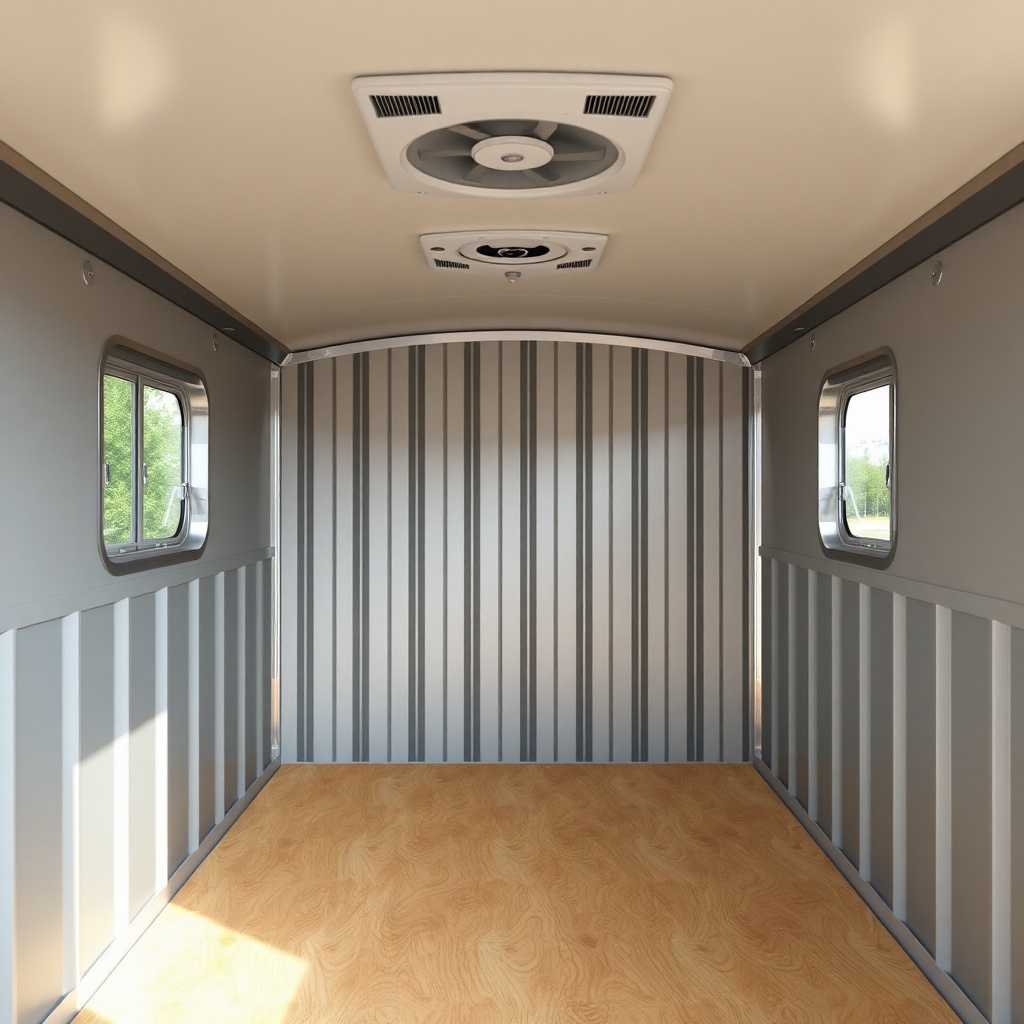
The Pacesetter 7×14’s steel interior walls and plywood or diamond-plate floor are not airtight. Condensation builds up inside when warm daytime air hits cold steel. To combat this, install two passive roof vents if your model doesn’t already have them—the factory often ships these trailers with no roof vent at all. Add a small solar-powered vent fan to move air even when the trailer is closed. Then place a moisture-absorbing desiccant bucket (calcium chloride based) near the ramp door and replace it after six weeks.
Pests are another concern: mice squeeze through the gap between the ramp door and the frame floor. Close that gap with a rubber threshold seal that adheres to the rear frame member. Also plug any electrical access holes in the front wall with steel wool mixed with silicone caulk. If your interior has wooden shelves or cabinetry, wipe them down with a 50/50 white vinegar and water solution to remove food odors that draw rodents. For layout ideas without pests, see Motorcycle Hauling in the PJ Pacesetter 7×14: Interior Layout Tips.
What Owners Say
Regular owners of the PJ Pacesetter 7×14 share specific storage lessons. One owner from Wisconsin wrote that after three winters without parking his trailer off concrete, the leaf springs started to surface-rust enough to fail a pre-season inspection. Another owner in New York replaces the desiccant buckets monthly and swears by a small electric dehumidifier left inside on a timer. A third owner, from Minnesota, says the single best investment was a tongue-stand jack wheel rated for 2,000 pounds because the factory jack’s plastic wheel spins out on ice. Many owners also note that the factory heat-treated plywood floor lasts longer if you apply a marine-grade sealer annually. For more on converting your storage setup, check the PJ Trailers Pacesetter 7×14 Suspension Upgrade Guide: From Leaf to Torsion for pre-winter modifications that reduce flat-spotting on leaf packs.
Frequently Asked Questions
1. Should I jack up the PJ Pacesetter 7×14 for storage?
Yes, if possible. Raising the trailer off all four tires reduces flat-spotting and unloads the leaf springs. Place jack stands under the frame rails near the spring hangers, not under the axle tube. Leave the tires about 2 inches off the ground. Do not depend on the tongue jack alone.
2. Can I use a car cover over the trailer to keep snow off?
A full-length, breathable cover helps, but if you use a non-breathable tarp, moisture trapped underneath will promote mold on the floor and rust on the steel walls. Use a polypropylene cover sold for travel trailers, or tie a tarp loosely with rope at four corners to allow airflow.
3. How often should I start the trailer during storage to move the bearings?
Monthly. Pull the trailer forward and back a few feet after jacking it down, then re-jack it. This spreads grease across the bearing surfaces and keeps the brake magnet from sticking to the drum surface. If you can’t move it, spin each wheel by hand—or rock the trailer slightly at the hitch.
4. What do I do if the ramp door freezes shut?
Pour a commercial de-icer around the latch mechanism, or use a heat gun set to low just to warm the steel. Never force the ramp with a crowbar; you’ll bend the hinge pins. After it opens, lubricate the hinges and latch with a graphite powder.
5. The tongue jack freezes in the retracted position—what now?
Spray the jack tube with penetrating oil, then wrap a heating pad around the lower section for 20 minutes. Once the ice melts, extend the jack fully and apply a thin coat of marine grease to the entire exposed inner tube before retracting it. For more on modifications, review Setting Up the PJ Pacesetter 7×14: Spring vs Torsion Bar Hookup Guide.
6. Is it okay to store a PJ Pacesetter 7×14 outdoors under a tree?
Not recommended. Tree sap, bird droppings, and falling branches will damage the roof coating and the ramp door seals. If you have no shelter, park it as far from trees as possible and use a breathable cover. Clear snow off the roof after each storm to avoid ice dam buildup on the frame.