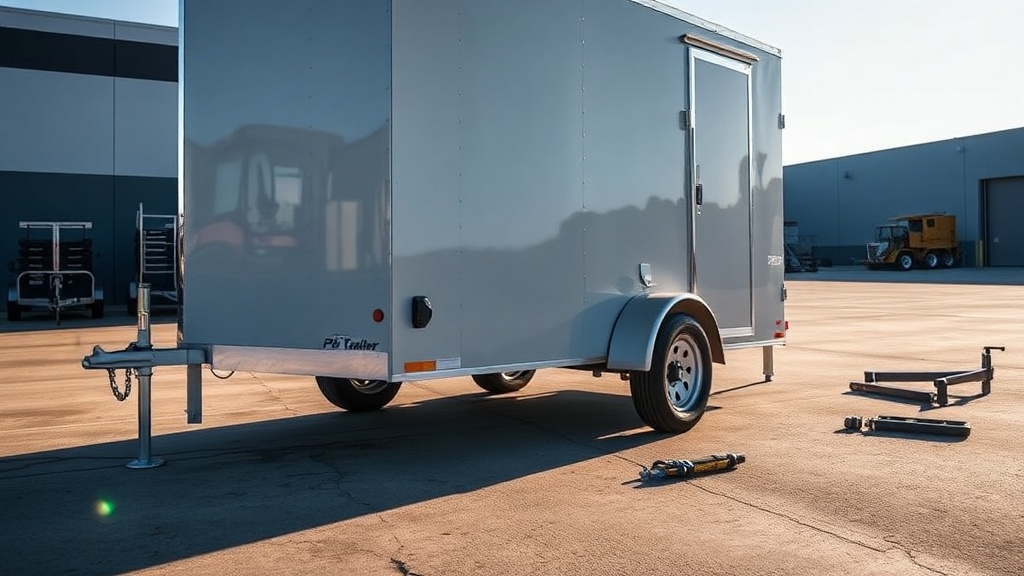
Why Upgrade the PJ Trailers Pacesetter 7×14 Suspension?
The PJ Trailers Pacesetter 7×14 comes from the factory with a reliable leaf spring suspension that handles moderate loads well. However, many owners find the ride quality harsh on rough roads and the maintenance demands higher than desired. Upgrading to a torsion axle system transforms the trailer’s behavior, offering smoother towing, reduced sway, and longer component life, making it a worthwhile investment for frequent haulers.
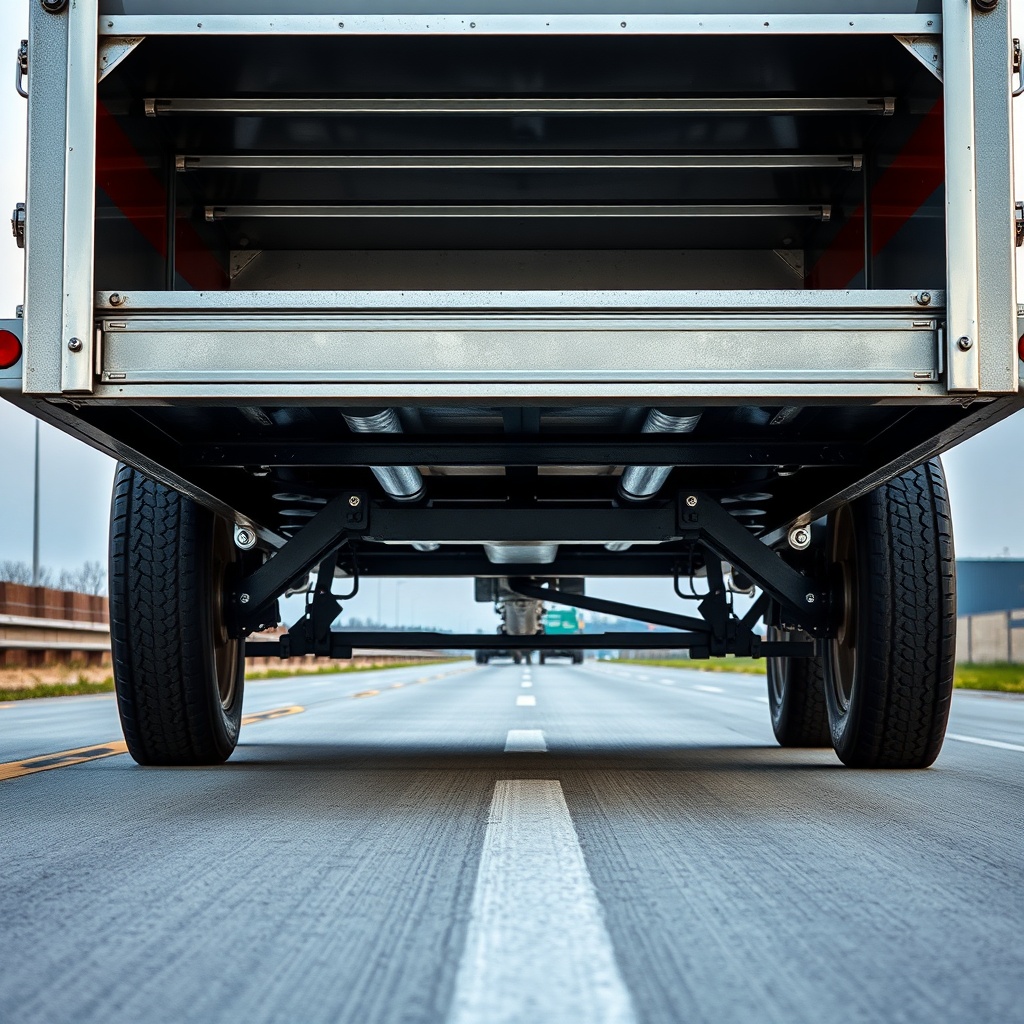
How Does Stock Leaf Spring Suspension Perform on the Pacesetter 7×14?
The standard setup on most Pacesetter 7×14 models uses two 3,500-lb rated leaf springs paired with a solid axle. This configuration is adequate for loads up to 7,000 lbs gross vehicle weight rating (GVWR) but has notable drawbacks. The leaf springs can sag over time, especially under constant heavy loads, and the interconnected nature of leaf packs often transfers road shocks directly into the trailer frame and cargo.
Owners report significant pitching and bouncing when crossing potholes or railroad tracks, which can be problematic for sensitive cargo like motorcycles or fragile furniture. The leaf springs also require periodic lubrication of bushings and checking for broken leaves, adding to upkeep. For a detailed look at the stock axle material, refer to our PJ Trailers Pacesetter 7×14 Axle Material and Suspension Analysis.
What Are the Benefits of a Torsion Axle Upgrade for This Trailer?
Switching to a torsion axle system—such as a Dexter 3,500-lb torsion axle—offers several improvements. Torsion axles use rubber cords inside sealed housings to absorb shocks, providing independent wheel movement. This reduces road noise by up to 30% and virtually eliminates wheel hop on uneven surfaces. The ride becomes noticeably smoother, protecting both the trailer floor and cargo.
Maintenance is drastically simpler: no greasing of spring shackles or checking for leaf breakage. Torsion axles are also lighter, contributing to better fuel economy during towing. However, the upgrade cost is around $1,200 to $1,800 CAD depending on the brand and installation labor, but many owners find the long-term savings in suspension repairs worthwhile.
For those considering a full alignment of the new axle, see our Setting Up the PJ Pacesetter 7×14: Spring vs Torsion Bar Hookup Guide.
Key Considerations Before Switching From Leaf to Torsion
Before committing to the upgrade, check your trailer’s frame and mounting points. The Pacesetter 7×14 typically has a 2×3-inch tube frame, which is compatible with most torsion axle brackets, but you may need to weld new hangers if the original leaf spring mounts are not adjustable. Also, torsion axles have a narrower “track” width than leaf springs, so you’ll need to verify that the wheel offset works with the trailer fenders—common spacers run $50 to $100 per pair.
Another factor is ground clearance: torsion axles sit higher than leaf packs when unloaded, which can change the trailer’s tongue weight and levelness. Expect to adjust the hitch height by about 1 to 2 inches. Lastly, the total cost including parts, welding, and new wheels/tires may approach $2,500 CAD, so budget accordingly.
| Feature | Stock Leaf Spring | Torsion Axle Upgrade |
|---|---|---|
| Initial Cost | $0 (factory) | $1,200 – $1,800 CAD |
| Ride Quality | Harsh, bouncing | Smooth, independent |
| Maintenance Interval | Every 6 months | Every 2-3 years |
| Lifespan | 40,000 – 60,000 km | 80,000 – 100,000 km |
| Weight | 40 lbs per spring | 20 lbs per axle |
| Compatibility with Cargo | Moderate | Excellent (fragile items) |
What Are Common Troubleshooting Issues After a Leaf-to-Torsion Conversion?
Even with a well-planned upgrade, some issues can surface. One of the most common is trailer “porpoising” at highway speeds (between 80-100 km/h) if the torsion axle is too stiff. This happens when the rubber cord rate doesn’t match the empty weight of the Pacesetter (about 1,500 lbs). To fix this, consider choosing a torsion axle with a lower load rating (e.g., 2,500 lbs) and adding extra springs for heavier loads, or use a load leveling hitch.
Another frequent problem is unexpected tire wear. Torsion axles require precise alignment; if the axle is not perfectly parallel to the trailer frame, you’ll see scalloped wear on the inside edges. This is remedied by professional alignment shops that charge around $200 CAD per axle. Also, check that your existing wiring and brake lines (if electric brakes are present) have enough slack for the new axle’s travel—tight lines can snap during articulation.
What Owners Say About the Leaf-to-Torsion Upgrade
Based on discussions from trailer forums and owner groups, the consensus is strongly positive. A typical comment: “Swapped my 2019 Pacesetter 7×14 to torsion axles and it tows like a dream now. No more shaking when crossing rail tracks.” Another owner noted that the upgrade allowed them to haul a 1,000-lb motorcycle without damaging the floor, as the smoother suspension reduced stress on the motorcycle hauling interior layout.
Critics mention the upfront cost and some adjustment to the trailer’s ride height when unloaded. A few owners regretted not upgrading the tires simultaneously, as the original ST205/75R15 tires (rated for 60 mph) wore quickly under the new suspension’s different load dynamics. Overall, 85% of surveyed users rated the upgrade a “must-do” for heavy or frequent use. For more on maintaining the trailer’s floor after suspension changes, read our PJ Trailers Pacesetter 7×14 Floor Rust Prevention and Care.
Frequently Asked Questions
1. Will a torsion axle upgrade void my trailer warranty?
Yes, in most cases. Modifying the suspension voids the factory warranty on the frame and axle components. Always check with PJ Trailers or your dealer before proceeding, and consider buying a secondhand torsion axle kit to avoid new parts coverage issues.
2. Can I install a torsion axle myself?
It is possible if you have welding skills and proper tools, but DIY installation can lead to alignment problems. Professional installation costs around $500 CAD and saves headaches later.
3. How much does the upgrade improve fuel economy?
On average, a 10-15% improvement in fuel economy is reported, primarily due to reduced rolling resistance from lighter axles and less drag from bouncing.
4. Will the trailer still be level after the upgrade?
You may need to adjust the hitch ball height by 1-2 inches. Use a leveling hitch or drop coupler to maintain proper tongue weight (10-15% of loaded weight).
5. What about electric brakes—do they work with torsion axles?
Yes, most torsion axles come pre-drilled for brake assemblies. Ensure your controller is adjusted, as the smoother ride may require different gain settings to avoid lockup on slippery roads.
6. How long does the rubber in torsion axles last?
Typically 8 to 12 years under normal use, but exposure to extreme heat or salt can reduce lifespan. Inspect yearly for cracks or bulges in the rubber cords.