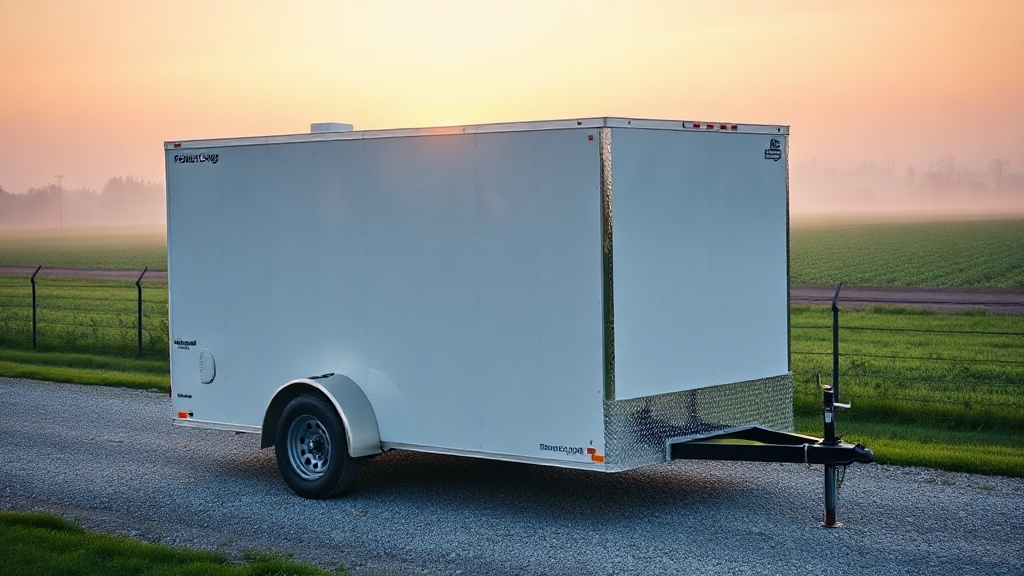
Pennsylvania Cargo 6×12 Floor Rust Prevention and Care
When you invest in a Pennsylvania Cargo 6×12 trailer, the floor is the foundation of its utility. Whether you’re hauling motorcycles, landscaping equipment, or construction materials, the 6×12 floor—typically constructed from treated plywood over a steel frame—faces constant moisture, road salt, and physical abrasion. Neglecting floor maintenance can lead to costly rust-through and structural compromise. This article details the specific materials used, common failure points, and actionable steps to extend the life of your trailer’s floor.
The Pennsylvania Cargo 6×12 uses a 3/4-inch pressure-treated plywood deck fastened to 16-inch on-center steel crossmembers. While the plywood is treated for moisture resistance, the fasteners and underlying steel structure are vulnerable to corrosion. Understanding the interplay between the wood deck and the steel supports is critical for long-term rust prevention.
What Type of Floor Does the Pennsylvania Cargo 6×12 Come With?
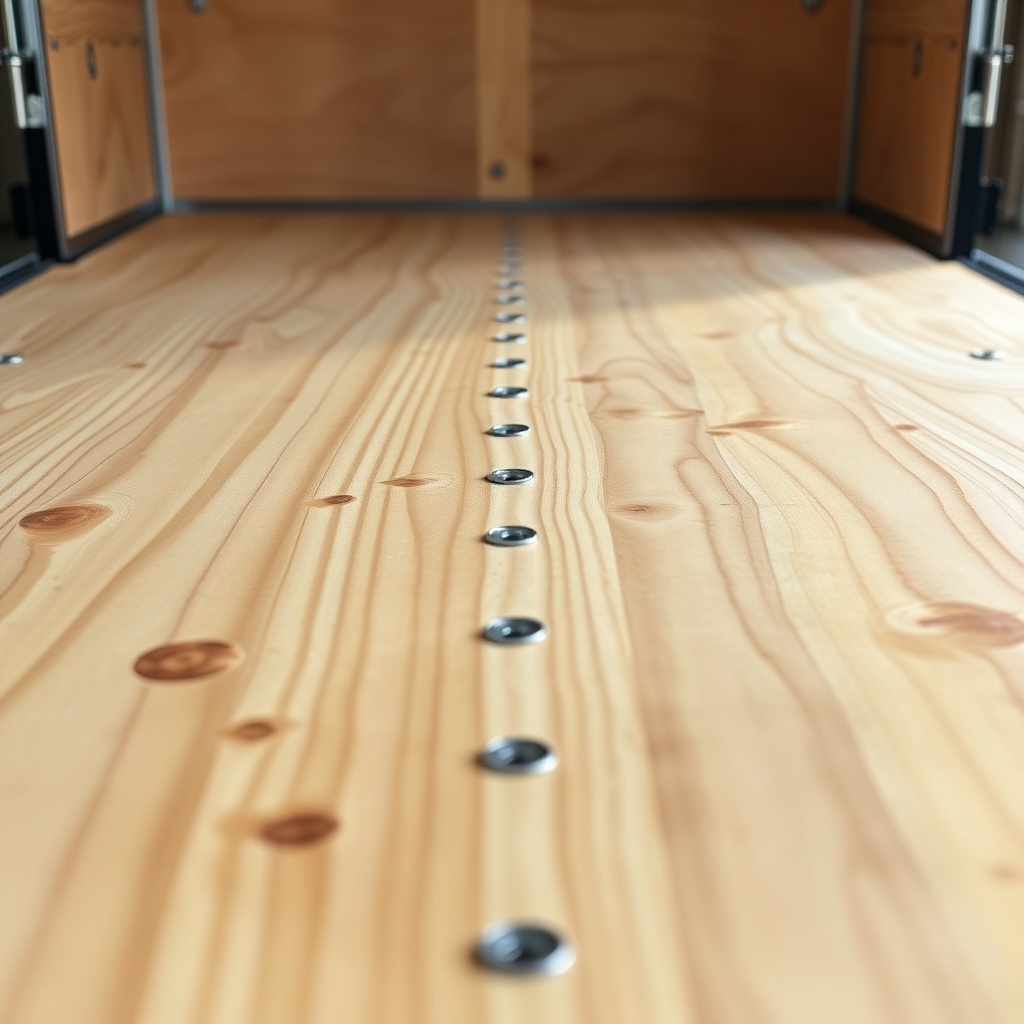
The standard floor on a Pennsylvania Cargo 6×12 is 3/4-inch pressure-treated plywood, rated for ground contact. This is a cost-effective choice that provides good resistance to rot and fungal decay. However, pressure treatment does not make the wood waterproof, and it offers no protection for the steel crossmembers beneath. The floor is screwed down with self-tapping galvanized screws every 12 inches along each crossmember.
Upgraded options include a 3/4-inch marine-grade plywood floor, which offers superior moisture resistance but at a higher price point (typically $200–$350 more depending on the dealer). Marine plywood uses waterproof glue and fewer voids, reducing the chance of delamination. For heavy rolling loads like motorcycle tires, consider adding a 1/8-inch aluminum diamond plate overlay—this adds about 90 lbs to the trailer’s empty weight but dramatically increases floor longevity.
Where Does Rust Usually Start on the 6×12 Floor?
Rust on a Pennsylvania Cargo 6×12 floor almost always begins in specific vulnerable zones. The most common locations are:
- Screw holes and fasteners: Galvanized screws eventually corrode, especially if overtightened and the zinc coating is breached. Water seeps around the screw head and drips onto the steel crossmember below.
- Crossmember edges: The steel I-beams or C-channel crossmembers are unpainted on their top flanges where the wood deck rests. Over time, moisture trapped between the wood and steel creates a classic crevice corrosion cell.
- Floor-to-wall transition: The 2-inch angle iron that runs along the trailer walls collects debris and road spray. If the plywood ends are not sealed, water wicks into the wood and rusts the angle from the inside.
- Door threshold area: Rainwater runs off the ramp door and pools between the door and floor edge. This area is often the first to show edge rot in the plywood and rust on the steel threshold bar.
Inspecting these four zones every 30 days during the use season is the single most effective habit you can adopt. A simple flashlight and a small wire brush can reveal nascent rust before it becomes a structural problem.
How Should You Seal the Plywood Floor for Maximum Protection?
Pressure-treated plywood from the factory is not sealed on the cut ends or top surface. Sealing the floor yourself is the most cost-effective rust prevention measure you can take. Here is the recommended three-step process:
- Edge seal first: Apply two coats of exterior-grade wood sealer (polyurethane or spar varnish) to all four edges of the plywood sheets before installation. Focus on the front and rear edges where the floor meets the steel frame.
- Top surface treatment: Use a high-quality exterior deck stain or sealant rated for horizontal surfaces. Avoid linseed oil, which remains tacky and traps dirt. A penetrating sealer like Seal-Once or TotalBoat Halite works well and costs about $40–$60 per gallon (one gallon covers two coats for a 6×12 floor).
- Fastener protection: After sealing, coat each screw head with a dab of silicone caulk or butyl tape before tightening. This creates a watertight seal that prevents moisture from traveling down the screw shaft.
If your Pennsylvania Cargo 6×12 is used year-round in a wet climate, plan to reapply the topcoat every 12–18 months. Trailers stored indoors will go longer between coats. The investment of three hours and $60 in materials can add five to seven years of life to your floor assembly.
What Is the Best Way to Protect the Steel Crossmembers Under the Floor?
The steel crossmembers in a Pennsylvania Cargo 6×12 are typically uncoated or lightly primed. Over time, road salt and moisture splash up from the tires onto the underside of the floor. Protecting these crossmembers requires access from below. The best strategy includes:
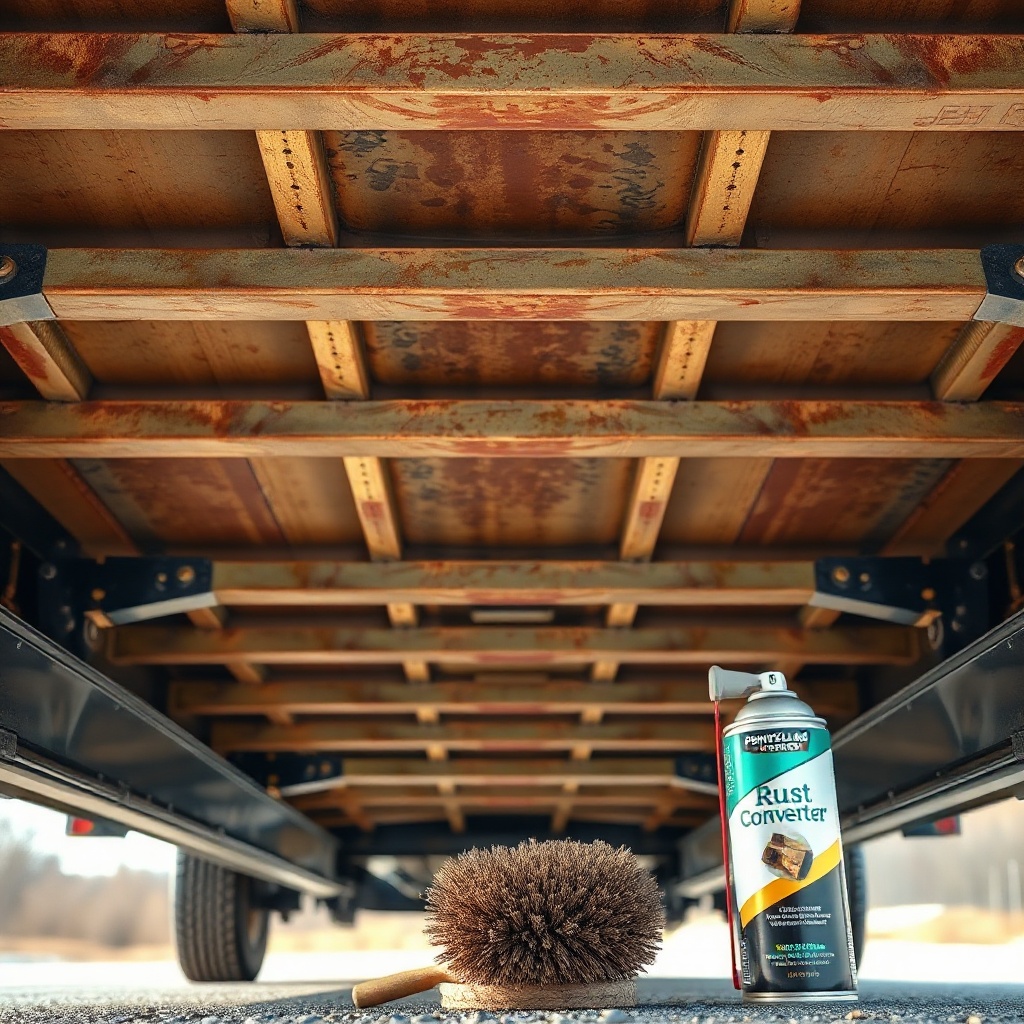
- Underside cleaning: Twice a year, crawl under the trailer and remove any built-up mud, salt, or debris with a stiff brush and a hose. Pay special attention to the top flanges of the crossmembers that face the plywood.
- Rust converter application: Scrape off loose rust with a wire brush, then apply a rust-converting primer such as Rust-Oleum Rust Reformer ($12–$18 per spray can). This chemically neutralizes rust and leaves a black polymer coating.
- Topside barrier (if you can lift the floor): During a floor replacement, apply a bead of roofing sealant or heavy-duty undercoating along the top flange of each crossmember before installing the new plywood. This prevents direct metal-to-wood contact.
- Frame spray: Use a fluid-film-based rust inhibitor (e.g., Fluid Film, Woolwax) and spray it into the boxed sections of the frame and crossmembers. These lanolin-based coatings creep into seams and stay wet, providing long-term protection. Cost is roughly $16 per quart.
For owners who frequently haul wet loads (e.g., pressure washers, boats), the Pennsylvania Cargo 6×12 Brake System Upgrade: From Electric to Hydraulic article discusses how brake line routing near floor areas can also be a rust collection point.
| Rust Stage | Visible Signs | Time to Act | Estimated Repair Cost (USD) |
|---|---|---|---|
| Stage 1 (Surface) | Orange dust on screw heads, light surface rust on crossmember edges | Within 3 months | $15–$30 (wire brush + rust converter) |
| Stage 2 (Flaking) | Loose rust flakes on crossmembers, pitting in steel, slight wood edge rot | Within 1 month | $50–$120 (grinding discs, primer, partial seal) |
| Stage 3 (Structural) | Holes in crossmembers, floor feels spongy, screws pulling out | Immediate | $300–$600 (replace crossmembers and plywood section) |
| Stage 4 (Critical) | Floor buckles, crossmember collapse, frame rail rust-through | Stop use immediately | $800–$1,500 (full floor replacement and frame weld repair) |
Can You Replace the Floor Without Removing the Trailer Body?
Yes, but it depends on the extent of the damage. On a Pennsylvania Cargo 6×12, the plywood floor is typically screwed down from the top and sits flush with the side walls. If only a section of the floor is rotted, you can cut out the bad portion with a circular saw (set to the depth of the plywood) and splice in a new piece. However, this only works if the underlying crossmembers are still sound.
For a full floor replacement, the most common approach involves:
- Removing all interior cargo and any floor-mounted tie-downs or D-rings.
- Drilling out all screws—expect to replace about 40–50 screws on a 6×12 trailer.
- Lifting the old plywood off, which may require prying if the glue or moisture has bonded it.
- Inspecting the crossmembers and replacing any that are rusted through.
- Installing new 3/4-inch pressure-treated plywood, coated with sealant on all six faces.
- Fastening with stainless steel or coated deck screws to prevent future corrosion.
If you need to replace crossmembers as well, the process becomes more involved. The crossmembers are typically welded into the frame rails. This is where the Pennsylvania Cargo 6×12 Frame Welding Review: Strength and Durability article becomes relevant—you’ll want to understand the weld quality and how to access these welds without damaging the frame.
What Owners Say About Pennsylvania Cargo 6×12 Floor Longevity
Owners of the Pennsylvania Cargo 6×12 consistently praise the cabinetry and wall construction but note that the floor requires proactive care. A common sentiment from forums and owner groups is that the stock floor lasts 5–8 years in moderate climates with regular sealing, but only 2–4 years in northern states where road salt is heavy. Many owners recommend upgrading to marine plywood or adding an aluminum diamond plate overlay from the dealer.
One owner on a trailer forum reported replacing his 6×12 floor after only three years because he used it to haul a pressure washer without allowing the floor to dry between uses. Another owner in Florida noted his floor was still solid after 10 years because he sealed it annually and stored the trailer under a shed. The consensus is clear: the Pennsylvania Cargo 6×12 floor is built to a reasonable standard for the price point, but it is not immune to rust. Owners who invest in preventive maintenance save significant money in the long run.
If you plan to customize your trailer for motorcycle hauling, the Pennsylvania Cargo 6×12 Interior Customization for Motorcycle Hauling article discusses adding floor chocks and reinforcing the floor area where tire loads are concentrated.
Frequently Asked Questions
Q: How thick is the floor on a Pennsylvania Cargo 6×12?
A: The standard floor is 3/4-inch pressure-treated plywood. Some dealers offer a 5/8-inch option, but this is less common and not recommended for heavy loads.
Q: Can I use rhino lining or bedliner on the floor?
A: Yes, but avoid spray-on bedliners that trap moisture between the liner and plywood. Roll-on or brush-on coatings (like Herculiner) work better—just ensure the wood is completely dry before application. Cost is around $100 for a gallon roll-on kit.
Q: How often should I inspect the floor for rust?
A: Monthly during the use season, and at least once before winter storage. Focus on the four common zones: screw heads, crossmember flanges, wall transitions, and door threshold.
Q: What is the best sealant for the floor edges?
A: Exterior-grade spar varnish or marine-grade polyurethane. Avoid water-based paints, which peel quickly. Two coats on all cut edges is the standard recommendation.
Q: Will adding a rubber mat protect the floor?
A: A rubber mat helps with grip and minor spills, but it can trap moisture underneath. To avoid rot, lift the mat periodically and allow the floor to dry completely. Never install a rubber mat over a wet floor.
Q: Is it worth upgrading to aluminum floor?
A: An aluminum diamond plate floor is the ultimate rust prevention, but it adds significant cost (roughly $1,200–$2,000 depending on thickness and dealer) and weight. For most owners, a sealed plywood floor with regular maintenance provides a better value-to-longevity ratio.