Addressing the Continental Cargo Cargomate 6×10 Ramp Door Latch
If you own a Continental Cargo Cargomate 6×10, the ramp door is one of its most convenient features—until the latch starts sticking, misaligning, or failing to secure. This article walks you through the common latch problems, how to diagnose them, and practical fixes you can do with basic tools. We’ll cover everything from simple adjustment to part replacement, so you can keep that door closing tight on every trip.
What causes the ramp door latch to stick or not close?
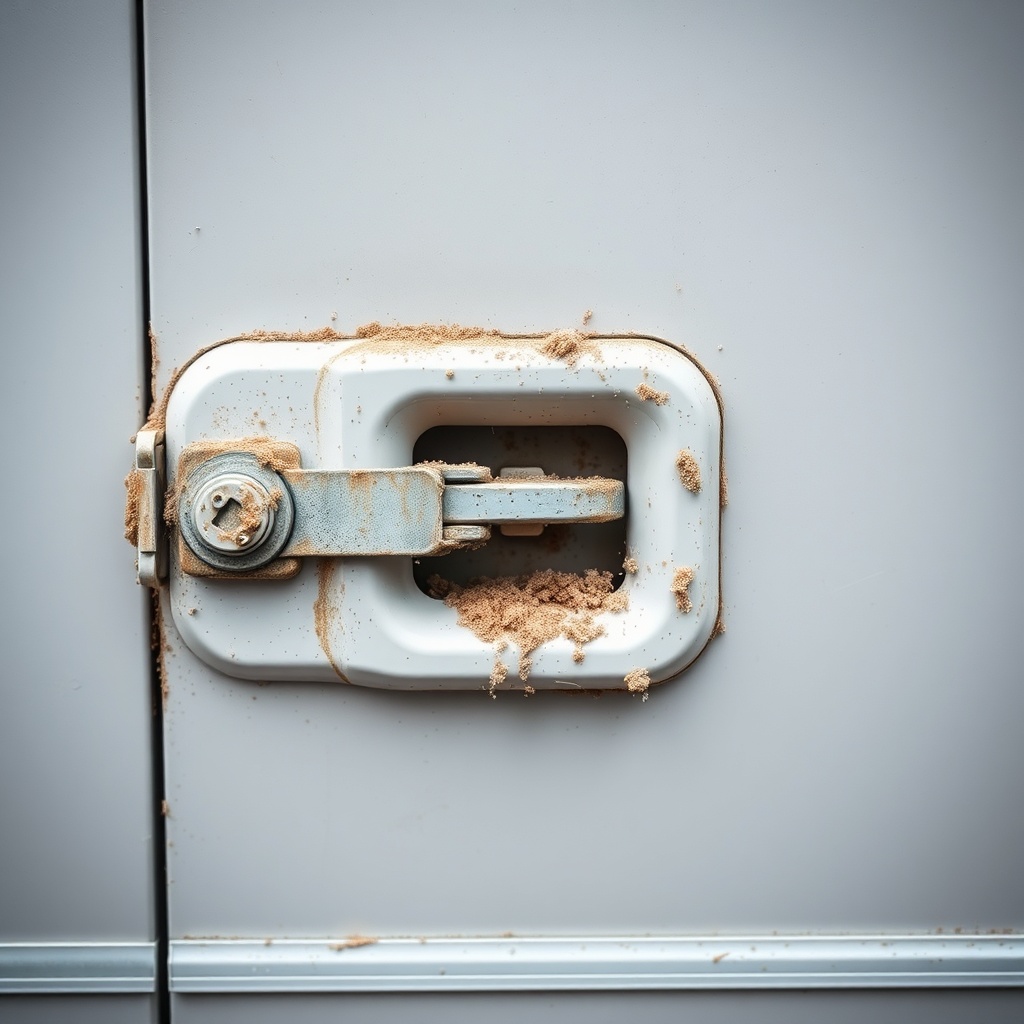
The ramp door latch on a Cargomate 6×10 typically uses a rotary style latch or a sliding bolt mechanism. The most common cause of sticking is debris buildup in the latch channel or corrosion on the moving parts. Road grime, mud, and winter salt can pack into the latch housing, especially after hauling equipment or driving on unpaved job sites. Additionally, the spring inside the latch mechanism can weaken over time, reducing the force needed to retract the latch bolt. If the latch handle feels stiff or requires extra effort to turn, start by cleaning the latch assembly with a penetrating lubricant like WD-40 or a silicone spray. Spray it into the latch opening and work the handle several times to free up the mechanism. If the latch still sticks, remove the latch assembly (usually two bolts) and soak it in a degreaser overnight. Reinstall and test before making any adjustments to the door alignment.
How can I tell if the latch is misaligned?
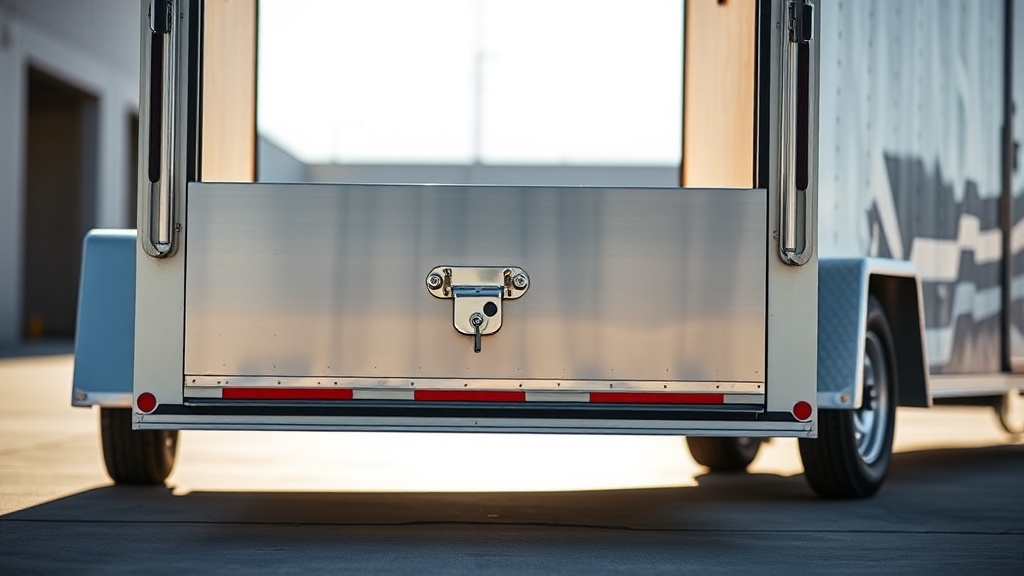
A misaligned latch is often the culprit when the ramp door won’t close flush or requires slamming to engage. On the Cargomate 6×10, the latch striker plate is mounted to the trailer frame, while the latch body is on the door. If either component shifts—due to settling of the trailer frame, loose bolts, or a bent door frame—the latch may not engage properly. Signs of misalignment include visible gaps between the striker and latch, the door rattling while driving, or the latch releasing unexpectedly. To check alignment, close the door slowly and watch where the latch bolt contacts the striker plate. It should hit dead center. If it’s off, loosen the two bolts on the striker plate (it usually has slotted holes for adjustment), shift it slightly, and retighten. Some owners find they need to shim the striker plate with a thin washer to correct vertical misalignment. If the door itself has dropped (common after years of use), you may need to adjust the hinge mounting points—see our guide on Continental Cargo Cargomate 6×10: Aluminum vs Steel Frame Durability for details on frame settling differences.
What tools do I need for latch repair?
For most latch repairs on a Cargomate 6×10, you can get by with a basic socket set, a flathead screwdriver, a pair of pliers, and a can of penetrating lubricant. If you’re replacing the latch assembly, you’ll also need a replacement latch kit (look for a universal RV or cargo trailer latch with a similar bolt pattern—about $15 to $30 at trailer supply stores or online). For alignment work, a 10mm or 13mm socket (common on Continental latch bolts), torque wrench, and a small level are helpful. If the door frame is bent, you might need a rubber mallet to gently tap the door back into square. Do not use a hammer directly on the latch mechanism—you risk cracking the housing. For electrical connections if your door has a light or switch, a multimeter comes in handy.
Can I replace the latch myself, or should I hire a pro?
Replacing a ramp door latch on a Cargomate 6×10 is a moderate DIY job, but it depends on your comfort level with trailer hardware. If the latch is simply worn out (stripped threads, broken handle, or seized mechanism), the replacement is straightforward: remove two bolts, unthread the handle assembly from inside the door, reverse for the new part. Cost for a basic replacement latch runs between $20 and $45, plus about 30 minutes of labor if you have the right tools. Hiring a mobile trailer repair tech might set you back $100 to $150 for the visit plus parts. If the door frame is bent or the hinges are damaged, you’re better off having a pro assess it because frame repairs on a Continental Cargo 6×10 require welding or specialized tools. For a simple latch swap, save the cash and DIY. For anything involving welding or frame work, don’t hesitate to call a shop. If you’re planning on towing with a compact vehicle, also check our guide on Towing a Continental Cargo Cargomate 6×10 with a Small Car: What to Know to ensure your tow vehicle can handle the trailer weight without straining the latch further.
How do I adjust the latch striker plate correctly?
Adjusting the striker plate is the most common fix for a latch that doesn’t close tightly. On the Cargomate 6×10, the striker plate is a metal bracket (usually painted black or silver) bolted to the trailer rear frame. Start by loosening the two bolts but don’t remove them completely—you want just enough play to slide the plate. Close the ramp door and push it firmly shut. The latch bolt should align with the center of the plate. If it hits the edge, shift the plate left or right as needed. For vertical adjustment, you may need to loosen the striker plate and add a thin washer under one side to tilt it. Tighten the bolts to about 15-20 ft-lbs (check your owner’s manual for exact spec). Test the door by opening and closing it several times. If the latch still doesn’t engage or requires too much force, the door may have warped. In summer heat, the door’s aluminum skin expands, so a tight latch in winter might be sloppy in July. If that’s the case, you can add a second striker plate shim pack (available for about $8 at hardware stores). Always carry a spare set of bolt covers (plastic caps) because they crack easily and cause rattling.
| Severity | Description |
|---|---|
| Usually not urgent | Latch sticks due to dirt or light corrosion; you can still close the door, but it takes extra effort. Clean and lubricate the mechanism, and check alignment. No immediate safety risk, but it will get worse if ignored. |
| Needs attention soon | Latch won’t engage at all, door rattles while driving, or latch releases unexpectedly. This is a safety hazard—secure the door with a ratchet strap temporarily and repair or replace the latch before your next trip. Frame misalignment could be present. |
What if the latch assembly is rusted beyond repair?
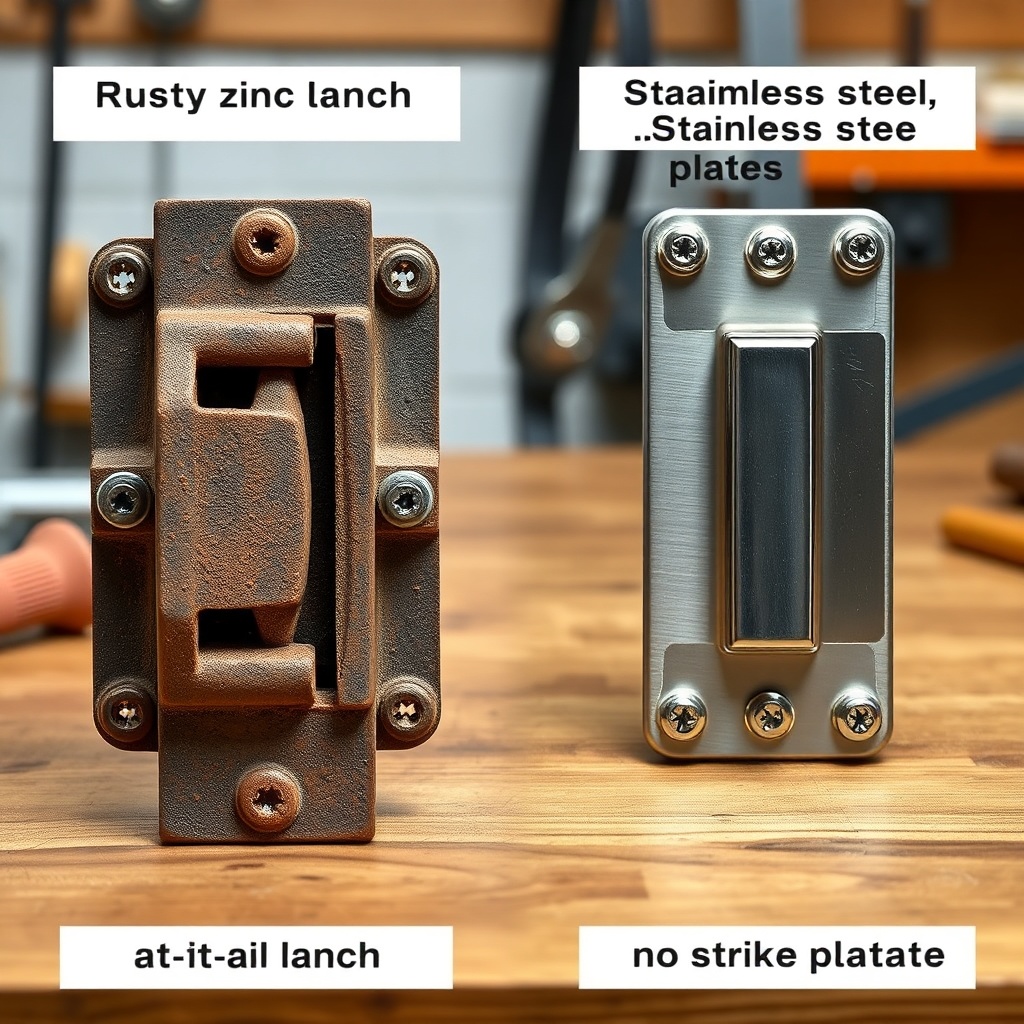
If the latch is heavily rusted—pitting on the handle, seized bolts, or broken springs—replacement is the only practical route. On the Cargomate 6×10, the latch housing is often zinc-plated steel, which can corrode quickly in salt belt states. A new latch assembly costs between $25 and $50 and typically includes the handle, latch body, and striker plate. Before buying, measure the bolt pattern (center-to-center of the two mounting bolts) and the thickness of the door skin. Universal RV latches fit most 6×10 trailers, but Continental uses a specific hole spacing—common sizes are 3-1/2″ or 4″ on center. You can find OEM part numbers by checking the label on the inside of your door frame or contacting Continental Cargo customer support (they’re responsive). When reinstalling, apply anti-seize compound to the bolts and a light coat of grease to the moving parts to prevent future rust. If the door frame itself has rusted through near the latch (unlikely on a well-maintained trailer, but possible after 10+ years), you’ll need to patch the frame with a steel plate—a job for a welding shop. For long-term prevention, consider a stainless steel latch upgrade (about $60) that resists corrosion better. For more trailer size considerations, see our guide on Best Cargo Trailer for Motorcycle Hauling: 6×10 vs 6×12 vs 7×14 to compare how the ramp door latch design differs across models.
What owners say about the Cargomate 6×10 ramp door latch
Owner experiences on forums and trailer shops reveal a few consistent themes. Many owners appreciate the overall build quality of the Cargomate 6×10 but note that the ramp door latch is a weak point. One owner who hauls a 1,200 lb utility vehicle reported that the latch handle snapped after three years of frequent use; he replaced it with a heavy-duty latch from a marine supply store. Another owner mentioned that the striker plate bolts loosened over time, causing the door to pop open on a highway drive—she now checks the bolts monthly as part of her pre-trip inspection. Several owners recommend upgrading to a latch with a locking hasp or a secondary security pin to prevent accidental opening, especially if you haul motorcycles or ATVs. One long-time owner commented that after lubricating the latch every spring and fall, he’s never had a problem in eight years of ownership. These stories underline the importance of routine maintenance, even on a well-made trailer like the Cargomate.
Frequently asked questions
- How often should I lubricate the ramp door latch on my Cargomate 6×10?
Every 3-4 months or at the start of each season, especially if you drive on salted roads or in dusty conditions. Use a silicone-based lubricant to avoid attracting dirt. - Can I use a standard RV latch as a replacement?
Most universal RV latches will fit, but check the bolt pattern and handle depth. Continental uses a 3-1/2″ center-to-center bolt pattern on most Cargomate 6×10 units—measure yours before ordering. - My latch clicks but doesn’t lock—what’s wrong?
The internal spring or locking pawl is likely worn out. Replace the latch assembly entirely—it’s cheaper than trying to repair the mechanism. - Is the ramp door latch covered under warranty?
Continental Cargo offers a limited warranty (usually 1 year from purchase) that covers manufacturing defects. Routine wear or corrosion is typically not covered. Check your owner’s documents for specifics. - Should I add a secondary lock to the ramp door?
Many owners do, especially for security or if they haul high-value cargo. A simple padlock hasp that attaches to the door frame adds peace of mind. Just ensure it doesn’t interfere with the latch’s closing. - How can I prevent the latch from freezing in winter?
Spray a de-icer like WD-40 Specialist or a silicone-based lubricant into the latch mechanism before subzero weather. Avoid water-based lubricants that can freeze. Also, keep the door seals dry and clean.