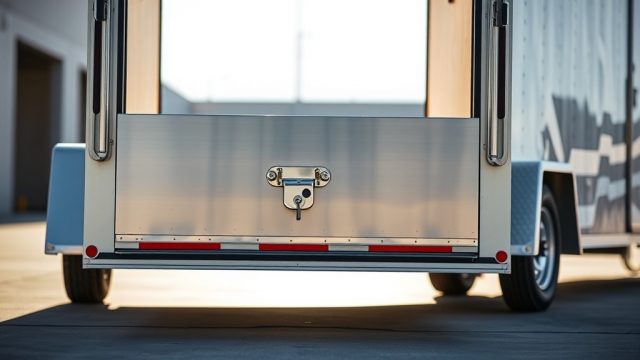
PJ Trailers Pacesetter 7×14 Floor Rust Prevention and Care
The PJ Trailers Pacesetter 7×14 is a rugged workhorse, but its steel floor is the first component to show battle scars from moisture, road salt, and cargo abrasion. Factory coatings help, but without proactive care, rust spreads through the diamond plate and underlayment, compromising structural integrity. This guide covers targeted prevention and repair methods to keep your Pacesetter’s floor solid for the long haul.
How Does the Factory Floor on the PJ Pacesetter 7×14 Compare to Wood or Aluminum?
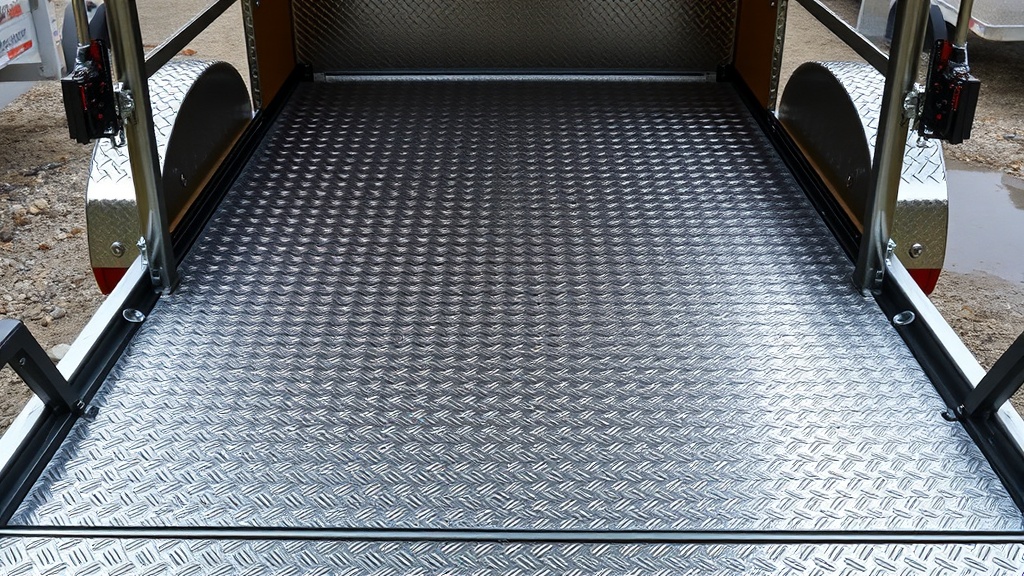
The standard floor on most PJ Pacesetter 7×14 models is 14-gauge tread plate steel, welded directly to the frame crossmembers. Unlike wood floors that rot from trapped moisture, steel resists biological decay but is vulnerable to galvanic corrosion when scratched and exposed to road salt. Compared to aluminum, steel is heavier and more prone to red rust but far more dent-resistant under heavy loads. Many owners report that the factory’s powder coat over the steel holds up for 2–3 years in moderate climates before touch-ups are needed. If you haul frequently in wet regions, consider sealing the edges where the floor meets the sides—a known weak point on this model.
For context on how the undercarriage supports that floor weight, read our PJ Trailers Pacesetter 7×14 Axle Material and Suspension Analysis to see why proper load distribution affects long-term floor integrity.
What Are the First Signs of Rust on a Pacesetter 7×14 Floor?
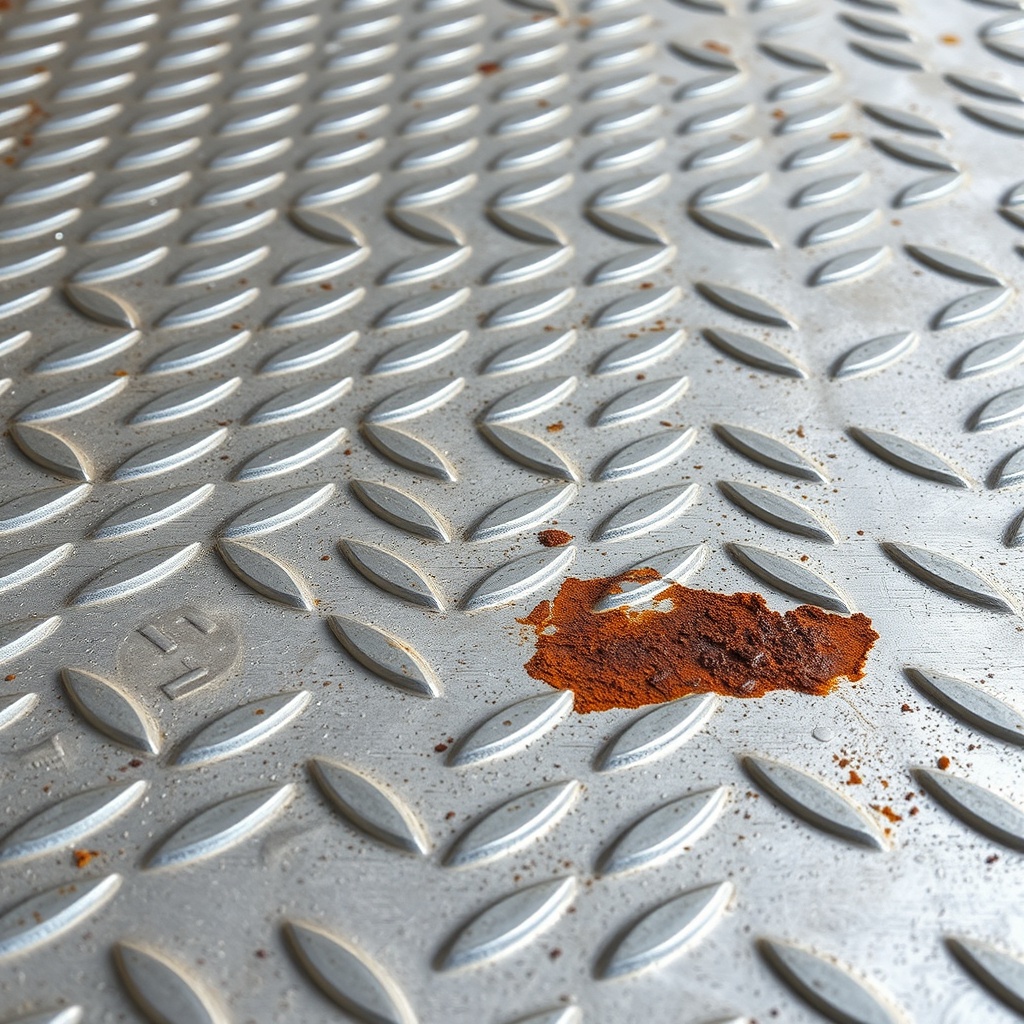
Rust usually starts in three zones: around the bolt holes for tie-down rings, along the front wall seam where moisture drains from the nose cone, and directly above the crossmember welds underneath. Look for orange-brown dust or small blisters in the paint. On the underside, check for scale flakes where the floor meets the frame rails. Catching these early—within the first year of ownership—means you can treat them with a wire brush and rust converter before they become pinholes.
How Often Should I Apply a Rust Inhibitor to This Steel Floor?
For a PJ Pacesetter 7×14 used weekly, apply a lanolin-based or wax-based undercoating every 12 months. In salt-belt states, make it every 6 months, focusing on the underside where salt spray accumulates. Before application, pressure-wash the floor and let it dry completely. A product like Fluid Film or CRC Marine Heavy Duty Corrosion Inhibitor works well—these creep into the seams and don’t harden, so they self-heal if scratched. Avoid rubberized coatings that trap moisture underneath if the surface isn’t perfectly clean.
| Rust Severity Level | What You’ll See | Usually Not Urgent | Needs Attention Soon |
|---|---|---|---|
| Surface (cosmetic) | Light orange dust, no paint lifting | ✓ Wire brush + rust converter, reapply topcoat | |
| Blistering | Paint bubbles, small flakes | ✓ Sand to bare metal, prime with epoxy primer | |
| Pinhole rust | Small holes < 1/8” | Cut out, weld patch, or use fiberglass repair kit. May need floor section replacement | |
| Structural scaling | Large flakes, warped floor near crossmembers | Immediate floor replacement recommended—strength compromised |
Can I Pressure-Wash the PJ Pacesetter 7×14 Floor Without Causing Rust?
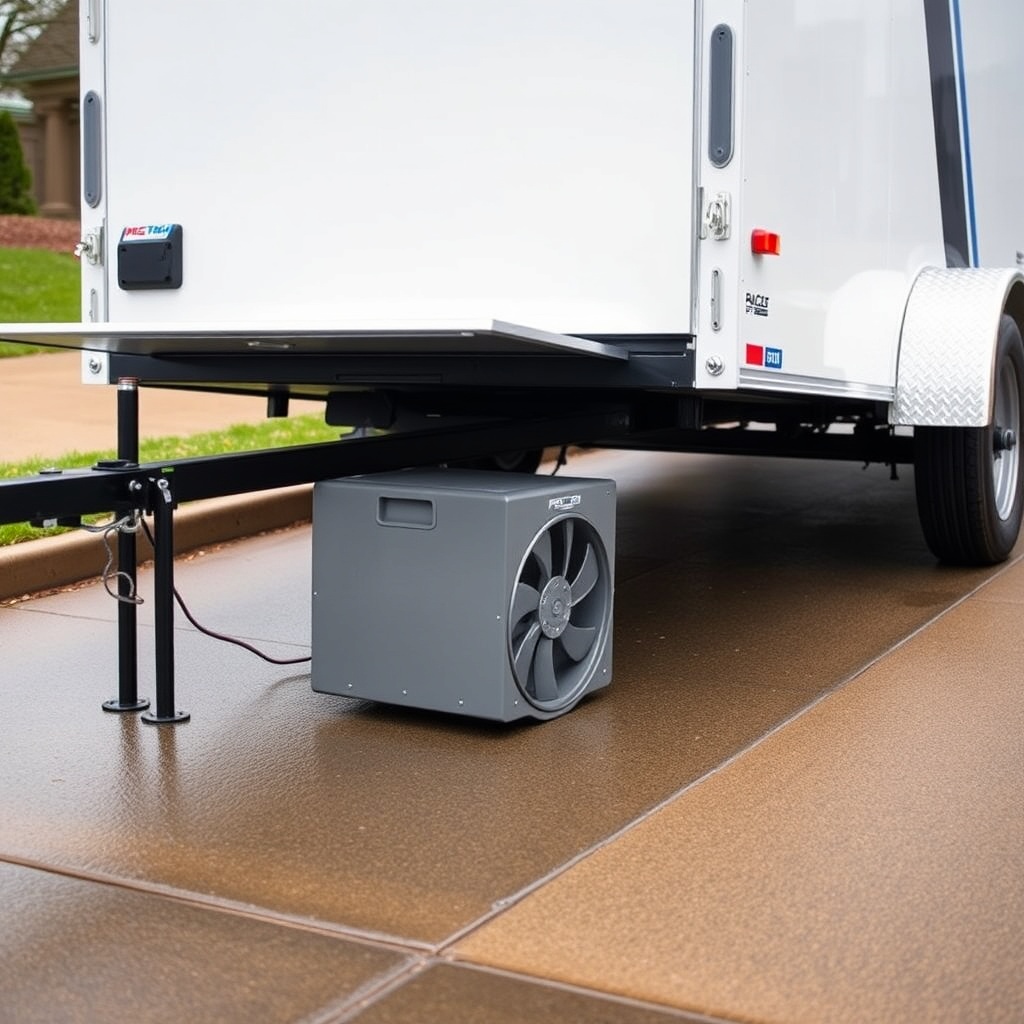
Yes, if you follow a dry-out protocol. The floor itself is steel and can handle direct pressure washing up to 2,000 PSI, but keep the nozzle at least 12 inches away to avoid lifting the paint edge. The bigger risk is trapping water inside the crossmembers or between the floor and the underlayment (if you added rubber matting). After washing, tilt the trailer slightly (park on a slope or use a leveling ramp) so water drains out of the front corners. Then let it air-dry with the ramp door open for at least 4 hours. Never store the trailer with the floor still wet—this accelerates rust under the topcoat. If you park it in a garage, run a fan under the trailer for an hour after washing.
Proper trailer setup also helps—review the Setting Up the PJ Pacesetter 7×14: Spring vs Torsion Bar Hookup Guide to ensure your trailer sits level during washing, improving drainage.
How Do I Fix Rust Holes in the Pacesetter 7×14 Floor Without Replacing the Whole Floor?
Small holes under 1/2 inch can be patched with a two-part marine epoxy putty specifically labeled for steel. Clean the area to bright metal inside a 2-inch radius, apply the putty, and allow 24-hour cure. For holes up to 2 inches, cut a steel patch from 14-gauge sheet metal, overlap the hole by at least 1 inch, and weld or rivet it in place. Seal the seams with seam sealer. If you need to reinforce an area weakened by scaling, a full floor layover (a new sheet of 12-gauge diamond plate welded over the old) is more practical than removing the entire floor. This adds about 80–100 pounds but saves hours of labor. Always check with PJ Trailers or a certified fabricator for this model—the factory warns against using aluminum patches because of galvanic corrosion with steel crossmembers.
What Floor Coatings Are Best for the PJ Pacesetter 7×14?
- Epoxy floor paint (two-part): Best adhesion for clean, etched steel. Lasts 3–5 years. Cost: ~$80–$120 per gallon for a 7×14 floor (needs about half a gallon).
- Polyurea spray coating: More flexible than epoxy, good for high-abuse cargo. Professional application runs $200–$350. Can be recoated.
- Bedliner (roll-on): Thick texture, good grip for motorcycles or ATVs. Traps moisture if applied over rust—must be 100% clean. Cost $60–$100 per quart kit.
- Fluid Film or WD-40 Specialist (temporary): Not a hard coating, but ideal for winter storage protection. Reapply monthly in salt areas.
Always apply a rust converter first, then primer, then topcoat. Avoid direct application over glossy factory paint without scuffing with 80-grit sandpaper.
What Owners Say
“After three winters in Minnesota, I noticed rust bubbles along the front seam of my 2021 Pacesetter. I used a needle scaler to clean it, then brushed on two coats of Rust-Oleum Professional Epoxy. It’s held for two more years with no issues. I now wash it once a month and reapply Fluid Film underneath annually.” – Jeff, MN
“I made the mistake of storing my Pacesetter with the floor wet after hauling wet sand. Within 6 months, I had pinhole rust near the tie-downs. I cut patches and welded them in—not hard, but not fun. Now I leave the ramp open for 24 hours after any wash. Wish I’d known earlier.” – Tom, NC
“The factory coating is decent but thin. I applied a roll-on liner the week I bought it new, and after 4 years in coastal Florida, the floor looks perfect underneath. Worth the $150 on a new trailer.” – Sarah, FL
For those hauling motorcycles, take a look at Motorcycle Hauling in the PJ Pacesetter 7×14: Interior Layout Tips—keeping bikes off the floor with a proper wheel chock also prevents surface scratches that can start rust.