Setting Up the PJ Pacesetter 7×14: Spring vs Torsion Bar Hookup Guide
Towing a trailer like the PJ Pacesetter 7×14 requires understanding how its suspension interacts with your hitch setup. The choice between leaf spring and torsion bar systems influences everything from ride quality to how you level the load. This guide covers the practical hookup steps specific to the Pacesetter, focusing on what you need to adjust with each suspension type.
What Are the Key Differences Between Spring and Torsion Bar Suspension on the Pacesetter 7×14?
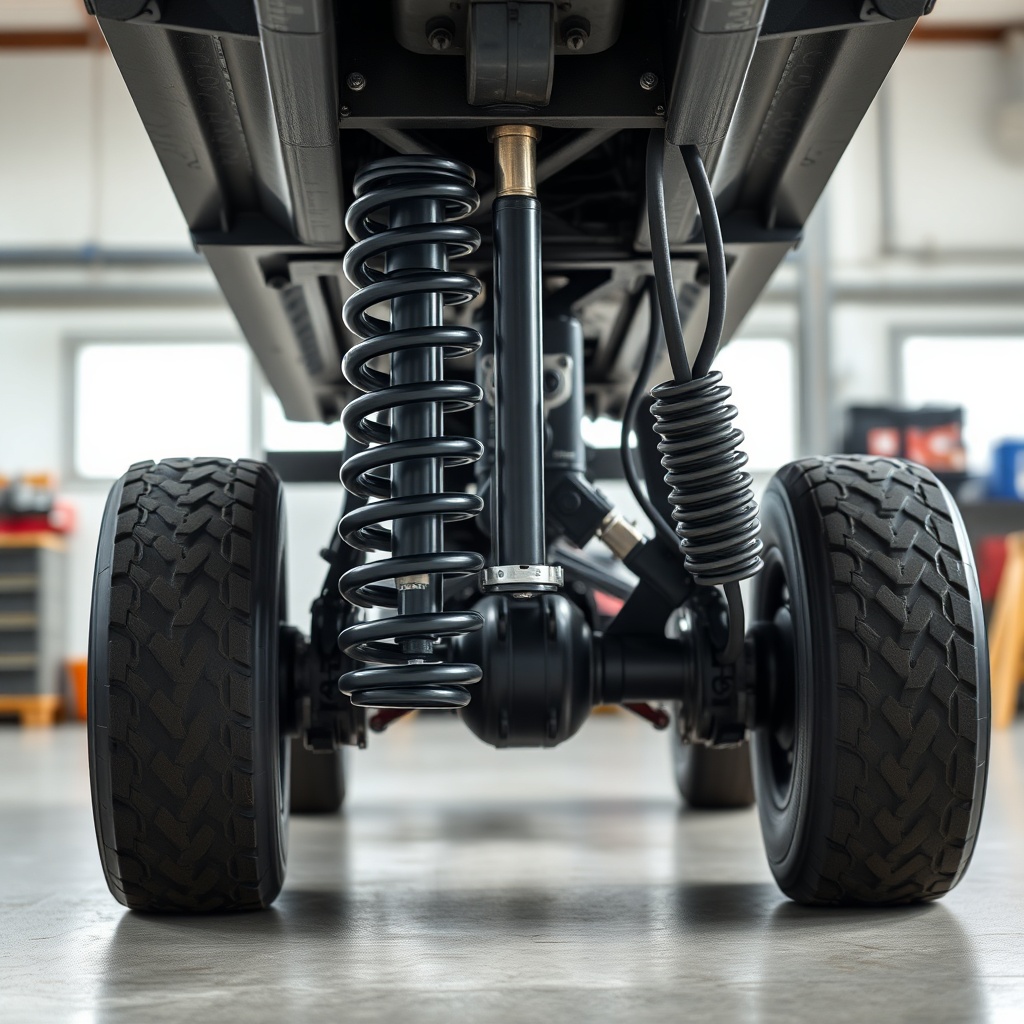
The PJ Pacesetter 7×14 typically ships with either a standard leaf spring suspension (often 3,500 lb rated per axle) or an optional torsion bar setup. A leaf spring system uses curved steel stacks that flex under load, offering a simple, cost-effective design that can sag over time if overloaded. Torsion bars use rubber cords inside a steel tube, providing a smoother, more consistent ride and self-leveling within their rated capacity.
For the Pacesetter, the torsion bar option increases the maximum tongue weight capacity to about 600 lbs (compared to 500 lbs for springs) and eliminates the need for axle alignment after heavy use. The trade-off is a higher purchase price—roughly $400 to $600 extra—and difficulty in servicing if a torsion unit fails. When hooking up, the stiffer nature of leaf springs at low load requires more attention to trailer height at the coupler, while torsion bars usually need minimal adjustment.
How Do You Adjust Hitch Height for a Leaf Spring PJ Pacesetter 7×14?
With leaf springs, the trailer deck height changes noticeably as you add cargo. Before hooking up, measure the frame rail height at the front of the Pacesetter without any load—expect about 22 to 24 inches from ground to the top of the coupler ball cup. Load the trailer to your typical weight, then remeasure. If the nose dips more than 1 inch below level, you need to adjust your hitch ball mount height or use a weight distribution hitch.
A practical approach: place the trailer on level ground with the jack extended so the coupler is at the same height as your tow vehicle’s ball. For leaf springs, aim for a nose-down tilt of about 0.5 inches when loaded, as the springs will sag another 0.25 inches under travel. If your tow vehicle has a receiver height of 18 inches, you might need a 2-inch drop ball mount. Check the PJ Trailers Pacesetter 7×14 Axle Material and Suspension Analysis for details on how spring arch affects ride comfort.
- Unloaded measurement: 22-24 inches to coupler cup
- Loaded target: 0.5 inches nose-down relative to level
- Tolerance: Keep trailer frame within +/- 0.5 inches of level side-to-side
What Steps Are Unique for Torsion Bar Hookup on the Pacesetter 7×14?
Torsion bars maintain a consistent ride height regardless of load, within their capacity window. On the PJ Pacesetter 7×14 torsion model, the deck sits about 1 inch higher unladen compared to leaf spring versions, at roughly 23.5 to 25.5 inches to the coupler. When attaching, set your ball mount so the trailer sits dead level—no need for nose-down allowance because the rubber cords don’t compress like springs.
One common issue: because torsion bars feel stiffer, owners often forget to check the coupler engagement. Ensure the ball socket fully seats and the latch clicks with a distinct sound. The higher unladen height might require a shorter drop or even a rise in your hitch, depending on your tow vehicle. For trucks with a receiver height of 20 inches, a 4-inch drop ball mount is typical to get the trailer level. See the Motorcycle Hauling in the PJ Pacesetter 7×14: Interior Layout Tips for insights on weight distribution when loading bikes, which affects torsion bar performance.
| Symptom | Usually Not Urgent | Needs Attention Soon |
|---|---|---|
| Trailer sags more than 1″ at front when loaded | Re-measure after road settling | Inspect spring shackles or torsion rubber |
| Uneven side-to-side height (over 0.75″ difference) | Check tire pressure on both sides | Rebalance load or inspect suspension components |
| Vibration at speeds over 55 mph | Check tire balance and wear | Check wheel bearings and suspension bushings |
| Coupler latch doesn’t click fully | Clean ball and coupler surfaces | Replace worn ball or adjust hitch height |
How Does Weight Distribution Affect Hookup on the Pacesetter 7×14?
Weight distribution in the PJ Pacesetter 7×14 directly impacts how your suspension interacts with the hitch. With leaf springs, placing too much weight behind the axles (like a heavy motorcycle parked at the rear) causes the front of the trailer to lift, reducing tongue weight below the 10-15% of gross trailer weight recommendation. For torsion bar setups, this imbalance creates uneven stress on the rubber cords, potentially leading to premature wear.
A practical test: after loading, measure tongue weight with a bathroom scale and a 2×4. For a loaded Pacesetter weighing 6,000 lbs, you want 600 to 900 lbs on the tongue. If using a weight distribution hitch, adjust the spring bars to transfer about 20% of that tongue weight to the front axle of your tow vehicle. This helps keep the trailer level even when springs start to unload on dips. Always recheck headlight aim of your truck after adjustments to avoid blinding oncoming traffic.
For maintenance of the trailer floor, which can affect load distribution over time, read the PJ Trailers Pacesetter 7×14 Floor Rust Prevention and Care article for tips on keeping the structure sound.
What Safety Checks Should You Do After Hooking Up the Pacesetter 7×14?
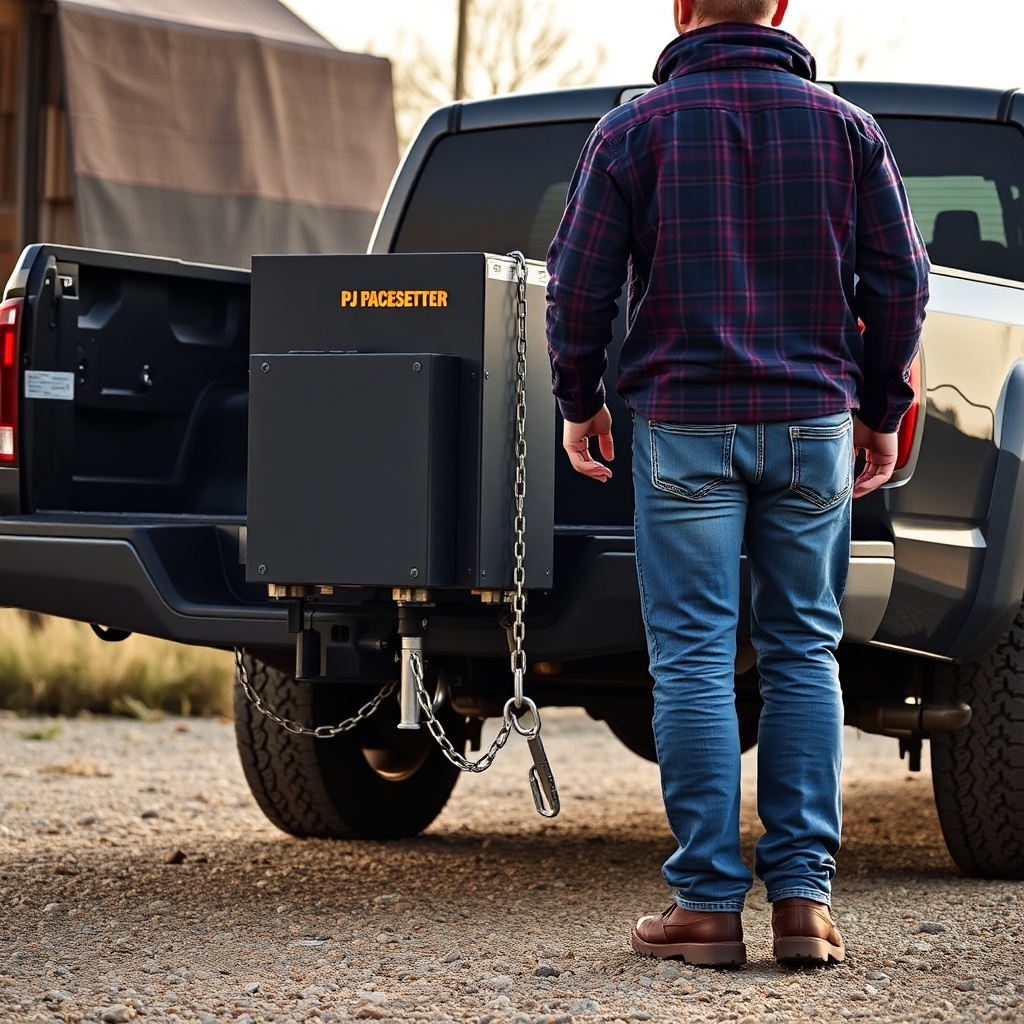
Once the coupler is attached, perform a visual walk-around. First, verify safety chains cross under the tongue and connect to the tow vehicle frame, not the bumper—this prevents the tongue from dropping to the ground if the coupler fails. For a torsion bar Pacesetter, the chain length should allow full turning without binding, but not drag on the ground when the trailer is level.
Next, check the breakaway battery and cable: pull the pin to test the trailer brakes engage instantly, then reconnect. Adjust the electric brake controller in your vehicle to a setting around 6.0 for a loaded Pacesetter (adjust for personal preference). Test brakes at 5 mph in a parking lot to confirm the trailer brakes engage before the tow vehicle. Finally, inspect tire pressure: 50 psi cold for typical ST225/75R15 tires on the Pacesetter.
- Chains: cross under tongue, no slack less than 4″
- Brake controller: set to 6.0 then fine-tune
- Tire pressure: 50 psi cold for all four tires
- Lighting: test turn signals, brakes, and marker lights with a helper
What Do Owners Say About Spring vs Torsion Bar Hookup?
Owner feedback on the PJ Pacesetter 7×14 suspension systems reveals a few recurring themes. One owner using the leaf spring version reported: “I had to adjust my drop ball mount three times before I got it right—unladen versus loaded heights kept changing. Once set, it tows fine, but I need to recheck every time I change cargo.”
Another owner with the torsion bar setup said: “Hookup is simpler—just get the trailer level and go. The ride is smoother, but I had to buy a different ball mount because the unladen height was higher than my old trailer. Also, the torsion arm rusted a bit near the rubber seals, so I spray it with WD-40 every spring.”
A third owner, using the Pacesetter for mixed loads, noted: “I wish I’d gone torsion bar from the start. With leaf springs, my motorcycle at the front makes the nose dip too much unless I redistribute. If you haul different loads, torsion bars save time.”
Frequently Asked Questions
Can I convert my leaf spring Pacesetter 7×14 to torsion bar?
Technically possible but not recommended unless you’re a skilled fabricator. The frame mounting points, axle brackets, and hangers differ between the two systems. It’s cheaper to buy a torsion model from PJ Trailers. Parts cost around $800-$1,200, plus labor, versus the $400-$600 upcharge from the factory.
What’s the maximum tongue weight for the Pacesetter 7×14 with leaf springs?
The factory rating is 500 lbs for leaf spring models. This is based on the 2-inch coupler and frame design. Exceeding this can cause poor handling and potential frame damage. For torsion bar models, the limit increases to 600 lbs.
Do I need a weight distribution hitch for the PJ Pacesetter 7×14?
It depends on your tow vehicle. For a half-ton truck (like a Ford F-150 or Chevy 1500) with a tongue weight over 500 lbs, a weight distribution hitch improves stability. For a three-quarter ton truck, it’s optional but recommended if you notice front-end wander. Always follow your vehicle’s hitch rating.
How do I know if the torsion bar rubber is worn out?
Symptoms include a sagging ride height on one side, unusual vibration while towing, or visible cracking near the rubber seals. Torsion bars typically last 5-7 years with normal use. Replace both arms if one fails, as they wear together. Cost is about $150-$250 per side for PJ replacement parts.
Can I adjust the trailer height at the coupler for different tow vehicles?
No, the coupler is fixed height relative to the frame. You must change the ball mount height or use a drop/rise hitch. For multiple tow vehicles, consider a pintle hook setup or an adjustable ball mount that offers 2-inch increments. This avoids carrying multiple ball mounts.
Should I grease the torsion bar rubber parts?
No. Grease can degrade the rubber compound over time. Use a silicone-based spray (like WD-40 Specialist Silicone) on the exposed rubber seals to protect from UV and cracking. Never use petroleum-based lubricants. For the leaf spring shackles, use a white lithium grease.