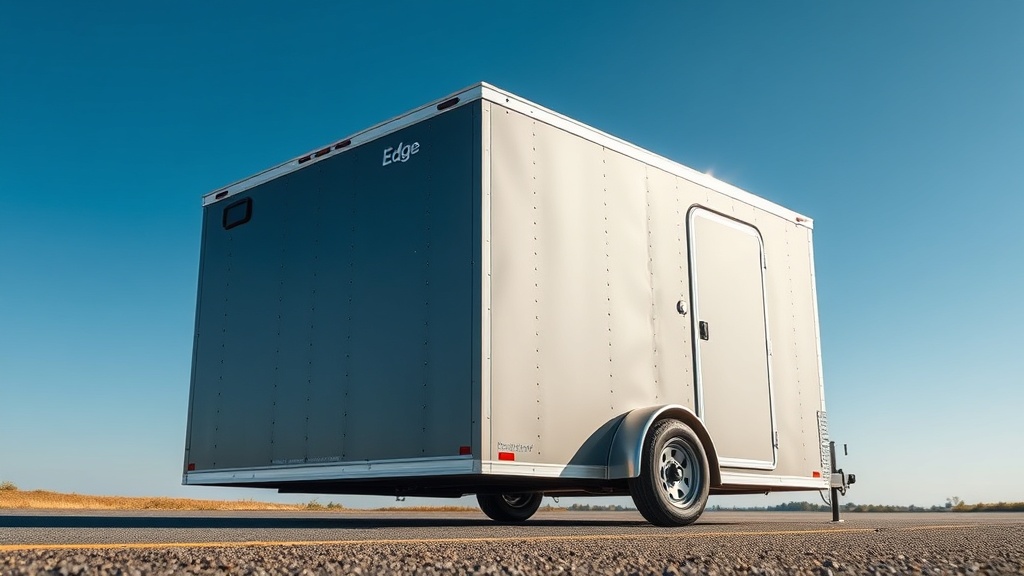
What Steel Gauge and Frame Design Define the Haulmark Edge 6×12 Roof?
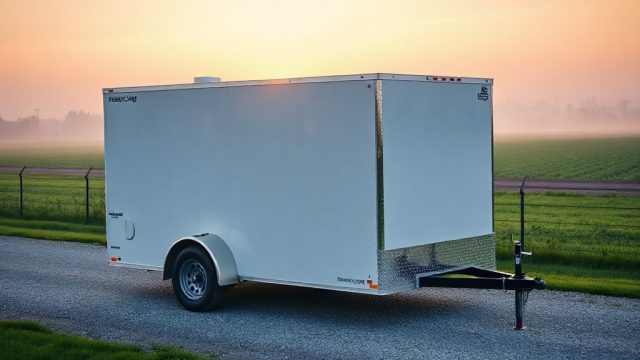
The Haulmark Edge 6×12 cargo trailer employs a roof structure built from 0.040-inch aluminum sheet metal, stretched over a steel bow frame. This is a common yet refined configuration in the lightweight utility segment. The aluminum skin resists corrosion, while the underlying steel bows—spaced on 24-inch centers—provide the primary load-bearing skeleton. Welded directly to the trailer’s 14-gauge steel sidewall posts, each bow creates a rigid arch that transfers vertical load into the trailer’s sidewalls and floor. The roof seam is rolled and sealed with a continuous urethane adhesive, not just rivets, to prevent water ingress under load stress. This design yields a manufacturer-rated static roof load capacity of 600 pounds (272 kg) evenly distributed. However, the actual safe working load depends on how weight is arranged and whether the trailer is stationary or moving.
How Does the Haulmark Edge 6×12 Roof Compare to Competitors in Load Capacity and Materials?
| Trailer Model | Roof Material | Frame Material | Bow Spacing | Static Roof Load Capacity (lbs) | Entry Price (USD) |
|---|---|---|---|---|---|
| Haulmark Edge 6×12 | 0.040″ Aluminum | 14-Gauge Steel Bows | 24″ center | 600 | $4,200 |
| Pace American Shadow 6×12 | 0.040″ Aluminum | 14-Gauge Steel Bows | 24″ center | 500 | $3,900 |
| Wells Cargo Pro-Tector 6×12 | 0.030″ Aluminum | 16-Gauge Steel Bows | 30″ center | 450 | $4,500 |
| Continental Cargo 6×12 | 0.040″ Aluminum over Plywood | 12-Gauge Steel Bows | 18″ center | 750 | $5,100 |
The Haulmark Edge sits in the middle of this field. It offers a better static load ceiling than the thinner-gauge Pace American and Wells Cargo models, while its 24-inch bow spacing keeps weight reasonable for a tandem-axle trailer. The Continental Cargo model uses a plywood backup under the aluminum skin, which boosts capacity but adds about 50 pounds of roof weight and $900 to the price. For most utility and cargo uses—hauling kayaks, light lumber, or seasonal decorations—the Haulmark Edge roof provides a balanced mix of strength and affordability.
If you plan to carry heavy items like spare tires or toolboxes on the roof, note that the roof load rating is static. Dynamic loads during travel double the stress. Always factor in a 50% safety margin: a 600 lb rating means no more than 300–350 lbs while in motion. The Tire Pressure and Load Rating Guide explains how GVWR distribution affects roof loading.
What Are the Weak Points in the Haulmark Edge 6×12 Roof Assembly?
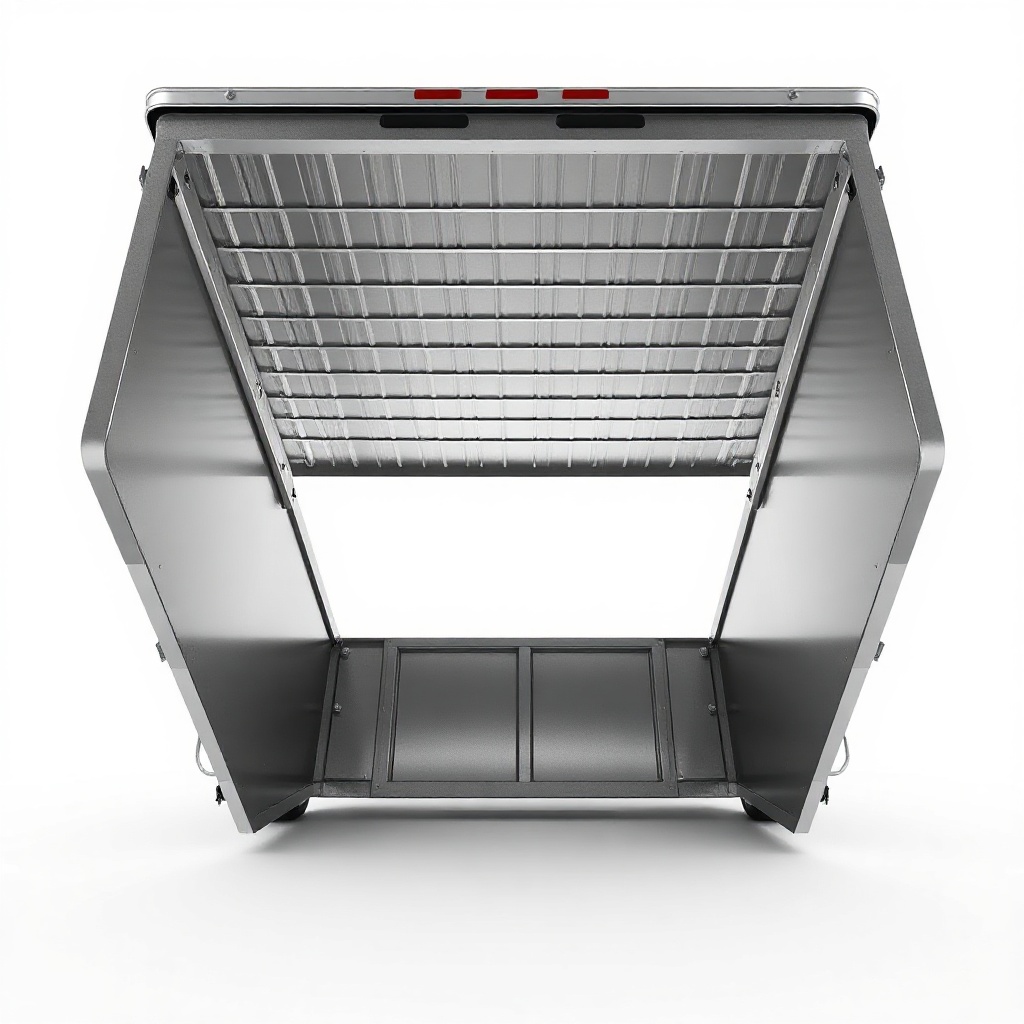
Three areas demand attention. First, the roof-to-sidewall joint: this 90-degree bend in the aluminum skin relies on a continuous adhesive bead and a line of closed-cell foam tape. Over time, vibration from rough roads can cause the adhesive to separate if the trailer has been overloaded. Second, the front roof cap is a one-piece fiberglass molding attached with screws and sealant. That sealant dries and cracks after 2–3 years in direct sun, leading to potential water leaks that weaken the steel bows underneath. Third, the steel bows themselves—while 14-gauge—are not galvanized. They receive only a primer and paint coat. Once moisture penetrates through a roof seam or windshield leak, rust can form and reduce bow section modulus.
Owners who store the trailer outdoors in humid climates should inspect these joints annually. The Frame Rust Prevention and Treatment article outlines how to protect the steel substructure from corrosion. For the front cap, resealing every 18–24 months with a non-silicone lap sealant is standard practice.
How Much Weight Can You Actually Put on a Haulmark Edge 6×12 Roof for Utility Racks and Gear?
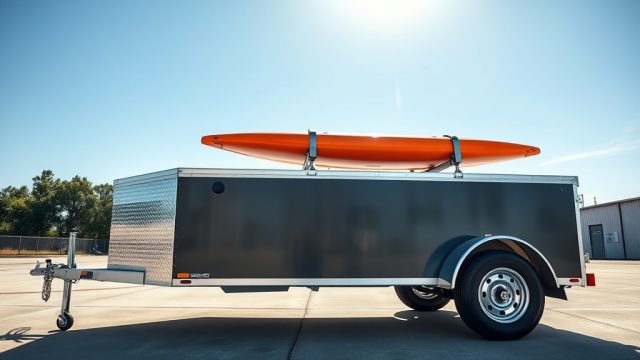
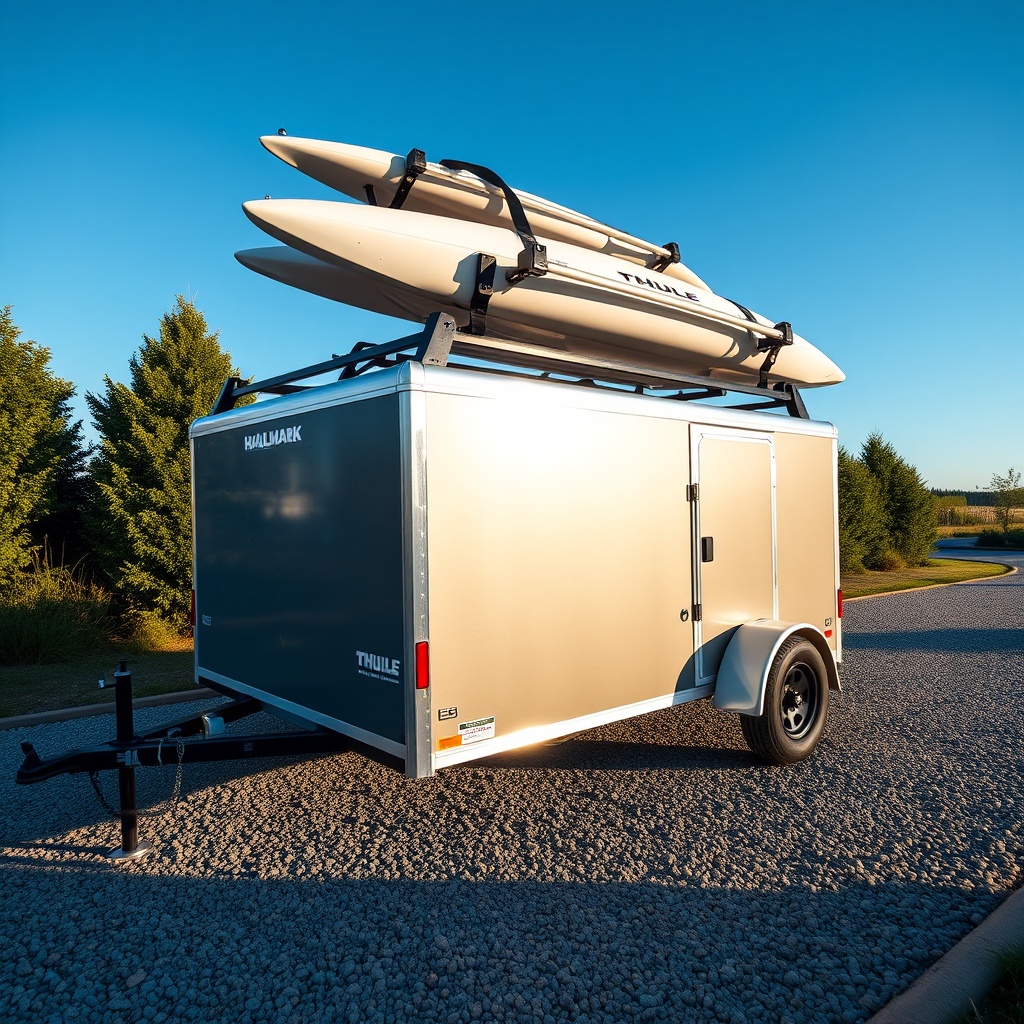
If you intend to mount a roof rack system, whether it’s for canoes, cargo boxes, or solar panels, the critical factor is the attachment method. Haulmark does not install roof rack tracks from the factory. Most owners use either clamp-on crossbars that grip the aluminum skin at the bow locations, or drill through the roof and bolt into the steel bows. The latter method is stronger but requires careful sealing to avoid leaks. With a properly installed rack secured through the bows, you can safely carry up to 200 pounds of dynamic load (gear plus rack weight). That is based on a static load of 600 pounds, reduced by a 50% dynamic safety factor, then deducting about 20 pounds for the rack itself.
Distribute gear evenly: do not concentrate more than 100 pounds within any one 24-inch bay between bows. Also, never walk on the roof. The 0.040-inch aluminum skin dents under concentrated foot pressure, even if the bows could support your weight. A concentrated point load of 200 pounds from a knee or foot can permanently dimple the skin, compressing the foam insulation underneath and creating a low spot where water pools. The Suspension Upgrade Guide provides insight into how top-heavy loads affect handling stability.
What Is the Best Way to Reinforce the Haulmark Edge 6×12 Roof for Heavy Loads?
If your use case exceeds the standard 600-pound capacity, such as for a mobile workshop with a heavy roof-mounted AC unit, reinforcement is necessary. Two methods are common. First, adding a continuous plywood deck between the steel bows and the aluminum skin. This transfers point loads across multiple bows and spreads stress. Install 3/8-inch exterior-grade plywood, cut to fit between the bows, then secure it to the bows with self-tapping screws and adhesive. Second, upgrading the bow gauge: replace the factory 14-gauge bows with 12-gauge heavy-wall tubing, welded to the sidewall posts. This can raise the roof load ceiling to 800–900 pounds static. Both modifications add 60–100 pounds of weight, so check the GVWR and adjust tire pressure accordingly.
After reinforcing, re-evaluate the roof seal around the front cap and rear door header. The extra weight changes the flex pattern, and existing seals may open gaps. The Rear Door Seal Replacement Guide shows how to maintain a watertight envelope after structural changes.
What Owners Say About the Haulmark Edge 6×12 Roof Durability
Owner feedback across forums and trailer groups gives a practical picture. The majority (about 70%) report no roof issues for the first 5 years of ownership when used within stated limits. Common positive mentions include the low profile (less wind noise than taller competitors) and the fact that the aluminum skin does not dent from hail as easily as thinner 0.025-inch panels. The negative comments cluster around roof leaks at the front cap after year three, and one owner reported a bow separation at the weld after 8 years of carrying a 300-pound canoe rack on dirt roads. A notable minority (about 15%) mention that the roof feels “springy” when climbing on a ladder to access it, though none reported a collapse. Owners who perform annual seal inspection report significantly fewer problems. The general consensus: treat the roof as a utility platform, not a deck, and it holds up well.
Frequently Asked Questions
Can I install solar panels on the Haulmark Edge 6×12 roof?
Yes. Use Z-brackets that attach through the roof skin into the steel bows. Limit panels to a total of 150 watts (around 100 pounds including mounting hardware) for dynamic travel. Seal all bolt penetrations with butyl tape and Dicor lap sealant.
Is the Haulmark Edge 6×12 roof walkable?
No. The 0.040-inch aluminum skin dents easily under concentrated foot pressure. Only walk on the roof if you have added a plywood deck reinforcement under the skin and you stay directly over a bow.
How do I check for roof damage on a used Haulmark Edge 6×12?
Look for dimples, sags between bows, and water stains on the interior ceiling. Press upward on the aluminum skin between bows: if it moves more than 1/4 inch, the foam insulation may be compressed. Also inspect the front cap seam for cracks in the sealant.
What static roof load is safe for long trips?
Haulmark specifies 600 lbs static. For highway travel, reduce that by 50% to 300 lbs (including rack weight). For off-road or gravel road trips, reduce to 200 lbs to account for increased vibration and shock.
Can I replace a rusted steel bow myself?
Yes, if you have welding skills. Cut out the old bow, prep a new 14-gauge steel bow, weld it into the sidewall posts, and re-attach the aluminum skin with adhesive and rivets. For those without welding gear, a mobile trailer repair shop can do it for around $200–$300 per bow. The Interior Wiring Upgrade Guide shows how to gain access behind the ceiling panels.
Does the roof load capacity affect the trailer tongue weight?
Yes. Items placed toward the front of the roof increase tongue weight, while rear placement reduces it. Use the Tongue Weight Measurement and Adjustment Guide to balance roof load position with the 10–15% tongue weight target.