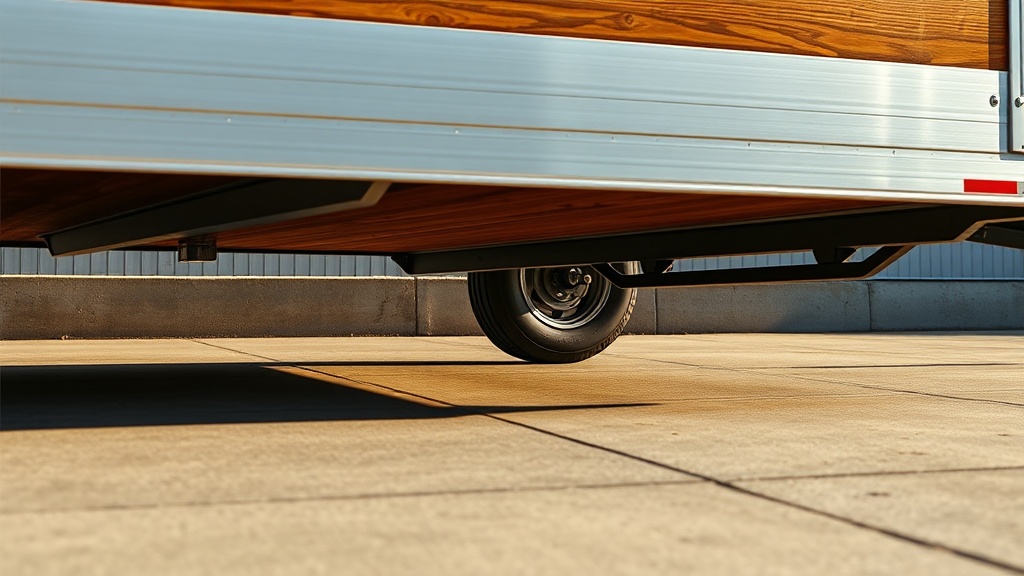
PJ Trailers Pacesetter 7×14 Axle Material and Suspension Analysis
When evaluating the PJ Trailers Pacesetter 7×14 for long-term ownership, the axle material and suspension system are critical factors that directly influence ride quality, load capacity, and maintenance intervals. This analysis digs into the specific components used in the Pacesetter, from the axle steel to the spring setup, helping you decide if this trailer meets your hauling demands.
What Axle Material Is Used in the PJ Trailers Pacesetter 7×14?
The PJ Trailers Pacesetter 7×14 comes standard with a 5,200-pound capacity axle constructed from high-strength steel tubing. The axle beam is typically made from 2.5-inch diameter, 0.25-inch wall thickness DOM (Drawn Over Mandrel) steel. This material choice offers a good balance of strength and weight, resisting bending under heavy loads common in utility trailers. For comparison, budget trailers often use lower-grade ERW (Electric Resistance Welded) steel, which can have weaker weld seams. PJ’s DOM axle steel provides a significant durability advantage, especially if you’re hauling equipment like motorcycles or heavy building materials.
It’s worth noting that PJ does not offer an aluminum axle option for the Pacesetter 7×14, as the weight savings wouldn’t justify the cost increase for this size trailer. The steel axle is also protected by a powder-coated finish, which helps prevent corrosion from road salt and moisture.
Are the Axles on the PJ Pacesetter 7×14 Straight or Torsion?
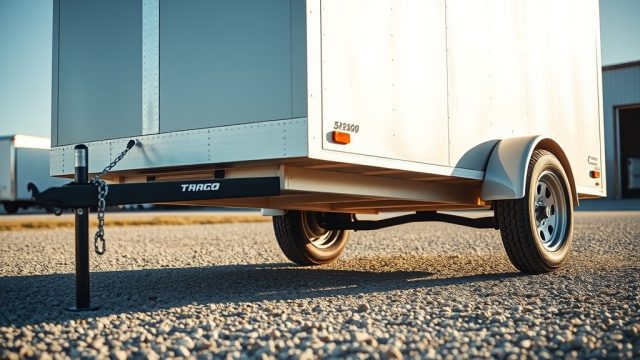
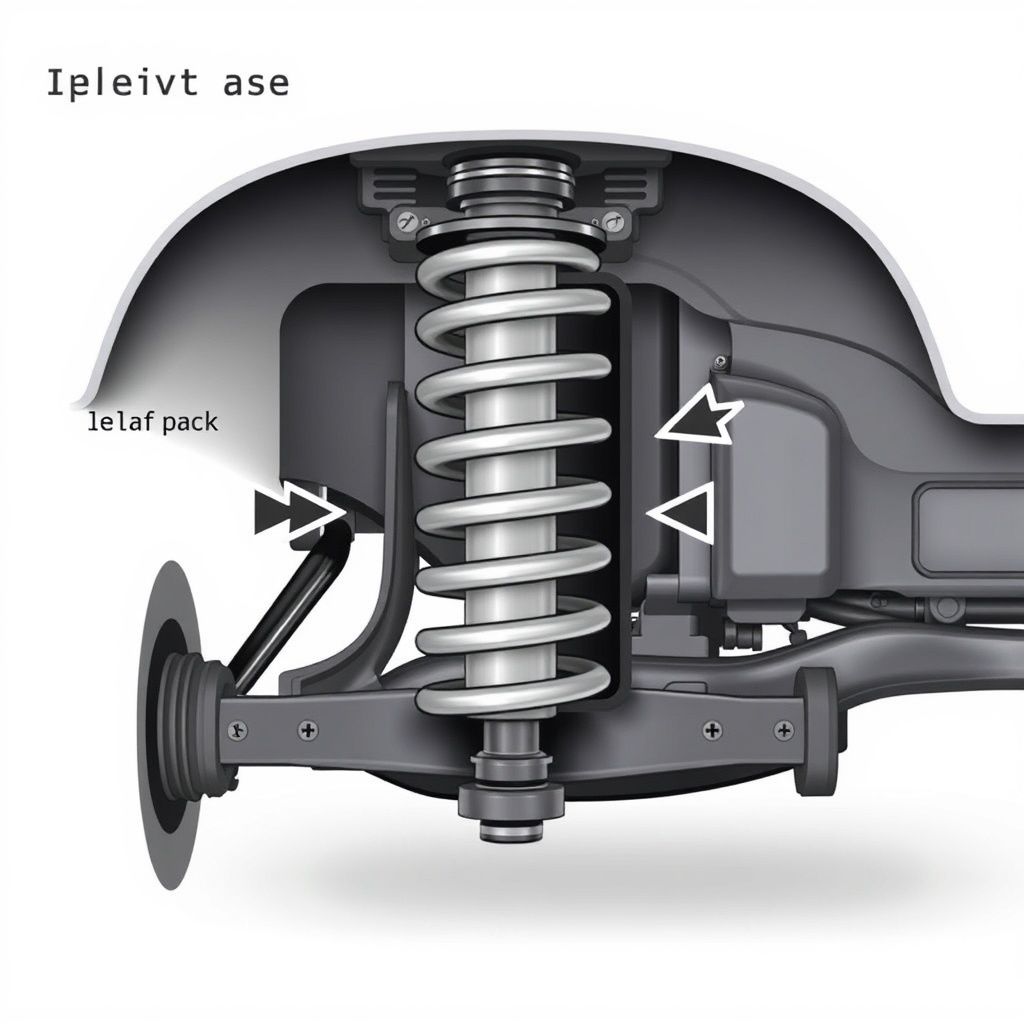
The PJ Pacesetter 7×14 ships exclusively with a leaf spring suspension system, not torsion axles. The axle itself is a straight axle, mounted to the frame via a leaf spring setup. This is an important distinction for buyers: torsion axles offer independent wheel movement and a smoother ride over rough terrain, but leaf springs are simpler, cheaper to repair, and better suited for heavy, consistent loads. The Pacesetter uses a 3-leaf spring pack rated at 2,600 pounds per side, with a 1-inch-wide main leaf. The spring hangers are welded to the trailer frame and include greaseable bushings for maintenance.
If you’re considering converting to torsion axles, it’s possible but would require significant frame modifications and is generally not recommended. The leaf spring design is well-matched to the trailer’s 7,000-pound GVWR and 5,200-pound axle capacity.
How Does the Suspension System Handle Different Loads?
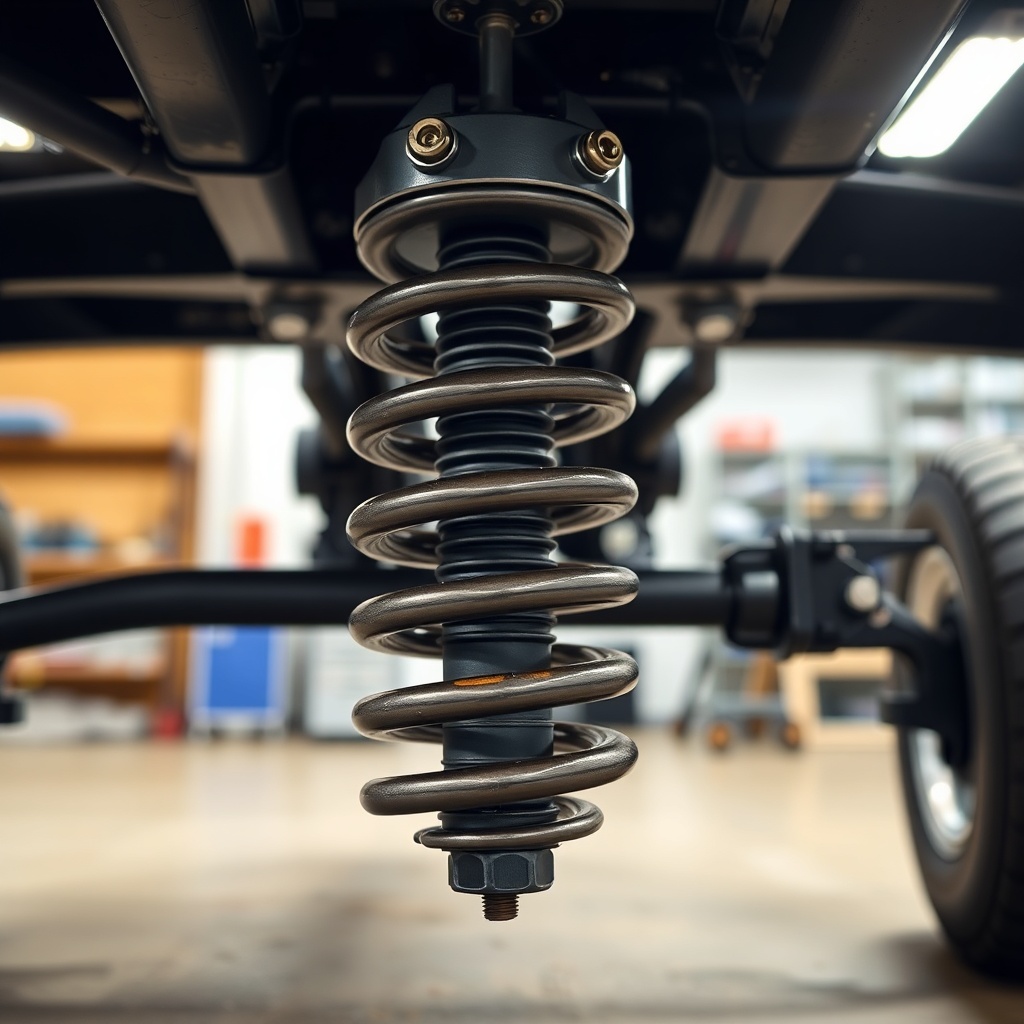
The leaf spring suspension on the Pacesetter 7×14 is designed for versatility. When empty, the ride can be slightly stiff, as the springs are rated for near-maximum loads. This is common with 3-leaf setups—they provide stability under heavy loads but can transmit more vibrations to the trailer when empty. To mitigate this, PJ uses double-eye leaf springs with bronze bushings, which reduce friction compared to plain steel bushings. This helps the suspension articulate more freely over bumps, even when the trailer is lightly loaded.
For motorcycle hauling, you’ll want to pay attention to the spring rate. The PJ Trailers Pacesetter 7×14 Motorcycle Hauling: Interior Layout Tips article covers how to position weight to keep the ride smooth. For heavy equipment, the leaf springs provide excellent load-leveling, preventing sagging that could cause trailer sway.
One practical note: the suspension has a maximum load capacity of 5,200 pounds per axle. Ensure your total load (including the trailer’s 2,100-pound tare weight) doesn’t exceed the 7,000-pound GVWR. Overloading the springs can lead to leaf breakage and reduced braking effectiveness.
What Are the Signs That Axle or Suspension Parts Need Attention?
Regular inspection of the axle and suspension components is essential. Here are common signs that parts need repair or replacement:
- Leaf spring sag or cracking: If the trailer sits lower on one side, or you see visible cracks in the spring leaves, replace them immediately. This is often caused by overloading or fatigue.
- Excessive tire wear: Uneven wear patterns, especially cupping, can indicate bent axles, worn springs, or misaligned suspension.
- Clunking noises: Loose U-bolts or shackles often produce a rhythmic clunking when driving over bumps. Torque them to manufacturer specs (typically 90-110 ft-lbs).
- Grease seepage: If you see grease on the axle beam near the wheel hub, the bearing seal may be failing. This can lead to wheel bearing failure if ignored.
- Rust on axle beam: Surface rust is normal, but deep pitting or flaking indicates the powder coating has failed. Sand and repaint to prevent structural weakness.
As noted in the PJ Trailers Pacesetter 7×14 Floor Rust Prevention and Care guide, rust isn’t limited to the floor—axle protection matters too.
What Is the Maintenance Schedule for the Suspension Components?
PJ recommends inspecting the leaf spring suspension every 5,000 miles or annually, whichever comes first. Here’s a practical schedule:
| Component | Usually Not Urgent (Self-Inspection) | Needs Attention Soon (Shop Recommended) |
|---|---|---|
| Leaf Springs | Check for cracks, sagging, or rust at 5,000 miles; look for broken center bolts. | Replace if any leaf is broken or sagging exceeds 1 inch from spec. |
| U-Bolts | Torque check every 3,000 miles; tighten to 100 ft-lbs if loose. | Replace if threads are stripped or bolts are visibly stretched. |
| Shackles & Bushings | Grease shackle pins every 6 months with lithium grease. | Replace if bushings are cracked or pins show side-to-side play. |
| Axle Beam | Wipe clean annually; look for deep scratches in powder coat. | Repaint if bare metal is exposed; replace if bent (check with straight edge). |
| Wheel Bearings | Repack with grease every 12,000 miles or 2 years. | Replace if bearing surfaces show pitting or discoloration. |
| Hub Seals | Check for leaks during bearing repack. | Replace if torn or if grease leaks onto brake drum. |
For more on upkeep, the Setting Up the PJ Pacesetter 7×14: Spring vs Torsion Bar Hookup Guide offers insights on how suspension choice affects towing setup.
Can You Upgrade the Axle or Suspension on the PJ Pacesetter 7×14?
Yes, but with caveats. The stock axle is rated at 5,200 pounds, which matches the GVWR. Upgrading to a heavier axle (e.g., 6,000 pounds) would require new leaf springs, U-bolts, and potentially frame reinforcement—often costing over $1,500 in parts and labor. Most owners find this unnecessary unless they consistently exceed the trailer’s rated capacity or want to future-proof for heavier loads.
Another upgrade path is adding helper springs or airbags to the existing suspension. Airbags, like Firestone Ride-Rite kits, can be retrofitted for about $400-500 and allow you to adjust ride height and stiffness for different loads. However, note that airbags require onboard air compressors for convenience, adding complexity. For most utility work, the stock leaf spring setup is reliable and cost-effective.
If you’re hauling motorcycles, the suspension tuning is crucial for keeping bikes stable. Check out the Motorcycle Hauling in the PJ Pacesetter 7×14: Interior Layout Tips for specific weight distribution advice.
What Owners Say About the PJ Pacesetter 7×14 Axle and Suspension
Feedback from owners who have put significant miles on their Pacesetter 7×14 highlights a few consistent points:
- Ride quality at partial load: Several owners note that the leaf springs are “firm when empty” but settle down nicely with 2,000+ pounds onboard. One owner mentioned using a weight distribution hitch to improve the ride when running light.
- Durability under heavy use: Owners who haul gravel, equipment, or construction materials report that the springs hold up well even after 50,000 miles, with only one report of a broken main leaf after an obvious overload incident.
- Maintenance ease: The greaseable bushings and replaceable leaf packs make DIY repairs straightforward. Owners appreciate that PJ uses standard-size springs available at most trailer parts stores.
Frequently Asked Questions
- What diameter is the axle tube on the PJ Pacesetter 7×14?
The axle tube measures 2.5 inches (outside diameter) with a 0.25-inch wall thickness. - Can I replace the leaf springs with torsion axles on the Pacesetter 7×14?
It’s possible but requires significant modification to the frame and suspension mounts. Most owners keep the leaf springs for simplicity and lower cost. - How much does it cost to replace a leaf spring on this trailer?
A replacement 3-leaf spring pack typically costs $80-120, plus labor if you use a shop. DIY replacement runs about $150 including new U-bolts and hardware. - Do the axles come with brakes or bearings pre-greased?
Yes, PJ ships the trailer with electric brakes on both wheels and sealed bearings pre-packed with grease. The bearings are serviceable, not sealed units. - What size U-bolts are used on the Pacesetter 7×14 axle?
The U-bolts are 5/8-inch diameter with 2.5-inch center-to-center spacing. Torque spec is 90-110 ft-lbs. - Is the axle powder-coated or painted?
The axle beam is powder-coated from the factory. If the coating chips, you can sand and repaint with a corrosion-resistant paint. Avoid painting over moving parts like spring contact points.