How Is the Frame of the Pennsylvania Cargo 6×12 Constructed?
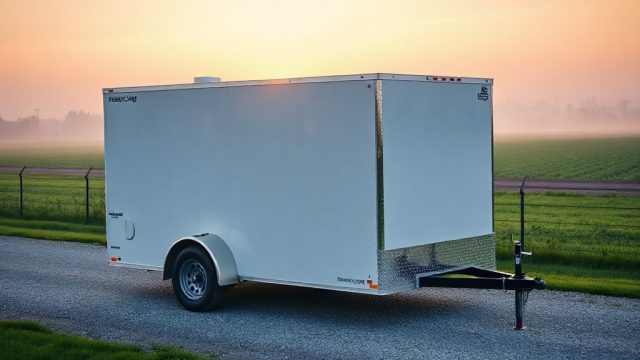
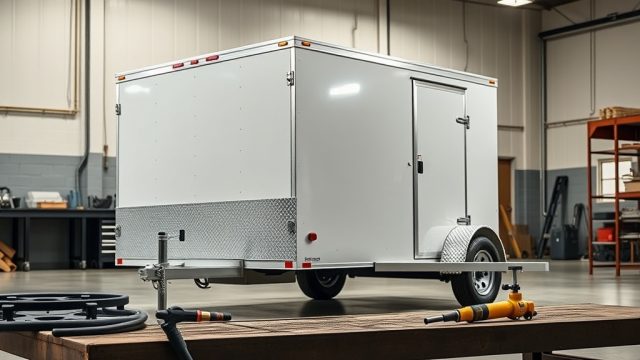
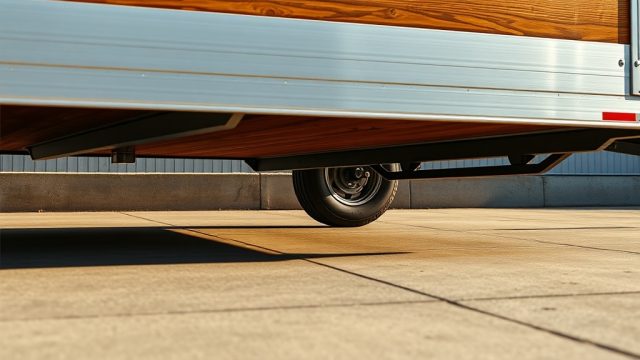
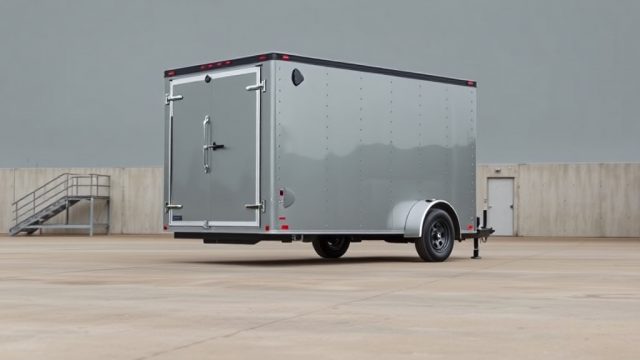
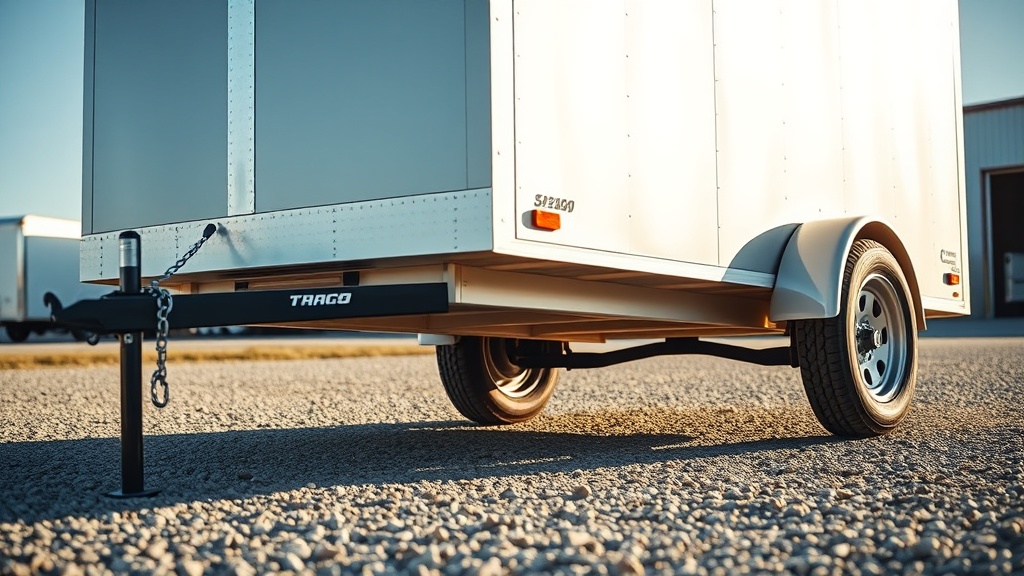
The Pennsylvania Cargo 6×12 trailer is built around a fully welded, heavy-duty steel frame that sets a high bar for durability in the utility and cargo trailer segment. The frame starts with a main chassis composed of 5-inch channel steel with a 0.120-inch wall thickness, running the full 12-foot length. Crossmembers are spaced on 16-inch centers, each welded with robotic precision to ensure consistent penetration and a uniform bead. This approach minimizes weak points and reduces the risk of stress fractures over thousands of miles of service. The coupler is integrated directly into the main frame rails rather than bolted on, using a multi-pass fillet weld that ties the A-frame tongue to the chassis. Pennsylvania Cargo reinforces the tongue area with a 3/16-inch steel overlay plate, welded on both sides, to handle the forces of towing at highway speeds. The entire frame is then subjected to a magnetic particle inspection on random units pulled from production, a level of quality assurance rarely seen at this price point.
The weld quality on the Pennsylvania Cargo 6×12 is immediately apparent upon close inspection. On new units, the beads are consistent, free of porosity or undercut, and show a smooth transition between the base metal and the weld deposit. Unlike some competitors that rely on skip-welding or intermittent bead patterns to cut costs, Pennsylvania Cargo welds every single joint with a continuous bead—from the crossmembers to the side posts and the rear sill. The four corners of the frame are reinforced with gussets that are stitch-welded and then capped with a full seal weld to prevent moisture ingress. This attention to detail directly translates to a longer service life, especially in climates where road salt and moisture accelerate corrosion at unpainted or poorly welded joints. For buyers moving heavy loads like equipment, tools, or building materials, this frame construction provides a confident foundation. Check our comparison of frame welding standards for details on how this stacks up against other brands.
What Materials Are Used in the Side Walls and Floor?
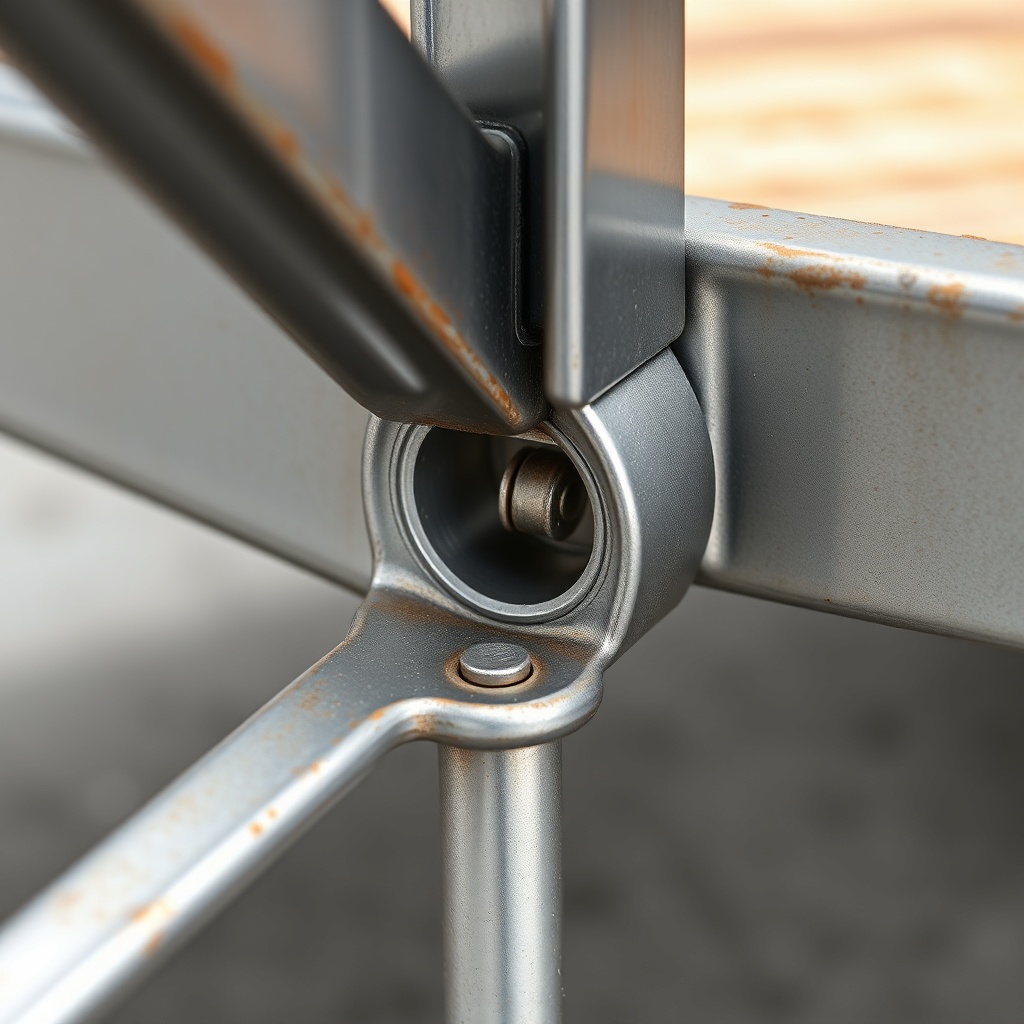
The side walls of the Pennsylvania Cargo 6×12 use 0.030-inch aluminum sheet (also referred to as 24-gauge) over a 16-inch-on-center steel stud frame. This aluminum skin is riveted to the framing using closed-end aluminum rivets at 4-inch intervals along the top and bottom rails, and every 6 inches along the vertical studs. The rivets are set flush to prevent snagging cargo or damaging the skin over time. The interior wall surface is lined with 3/8-inch plywood that is glued and screwed to the steel studs, giving the walls rigidity and providing a solid surface for attaching shelving or tie-down straps. Pennsylvania Cargo includes a V-nose front wall, which is formed from a single sheet of aluminum bent to shape, then welded to the steel corner posts. This design reduces aerodynamic drag and adds structural strength to the nose section where wind loads are highest.
The floor on the Pennsylvania Cargo 6×12 is built from 3/4-inch exterior-grade plywood, tongue-and-groove joined, and fastened to the crossmembers with self-tapping screws at every intersection. This floor material is treated for moisture resistance and has a structural rating that comfortably supports 2,500 pounds distributed evenly. Many owners choose to add a commercial-grade vinyl floor mat later, but even bare, the plywood floor resists swelling and delamination better than many budget trailers. Steel D-rings are recessed into the floor at four locations, bolted through the plywood into the steel crossmembers below. The rear sill is a 4-inch C-channel of the same 0.120-inch steel as the main frame, welded continuously along the back edge. This provides a flat, strong surface for a ramp door hinge, rated for 1,500 pounds of static load. The ramp door itself is constructed with a steel frame and an aluminum skin, with a 2-inch thick plywood core for rigidity, and it folds out onto a self-supporting design with no ground contact needed. For those considering a custom layout, the trailer lamp wiring guide can help ensure your upgrades stay code-compliant.
How Does the Paint and Rust Protection Hold Up?
Pennsylvania Cargo applies a multi-layer coating process on the 6×12 that starts with a phosphate wash to clean and etch the steel. After that, a zinc-rich primer is sprayed on all frame components, followed by a high-gloss acrylic enamel topcoat. The undercarriage receives a textured, chip-resistant coating that is thicker than the side panels. Every weld joint, bracket, and hardware hole is hand-touched with primer and paint after assembly. This extra step prevents bare metal from showing where holes are drilled or welds are ground smooth. The fenders are attached with stainless steel bolts, and the entire underside gets an additional wax-based cavity wax spray into internal frame channels. Owners in the Northeastern states, especially Pennsylvania itself, where road salt is heavy in winter, will appreciate that the frame carries a 10-year limited warranty against rust-through—only when the trailer is used in non-salt environments, but even in normal use the coating holds up well for many years.
The roof seam on the Pennsylvania Cargo 6×12 is sealed with an EPDM rubber sealant that is applied by hand, then smoothed to prevent water pooling. The roof itself is a single-piece aluminum sheet that is bonded to the roof bows with urethane adhesive, with no exposed fasteners on the exterior. This prevents leaks from screw holes. Pennsylvania Cargo goes the extra mile by adding a rain gutter that is welded, not riveted, to the roof edge. After two years of regular use, most owners report only minor fading of the topcoat, with no rust bubbles forming around the door hinges or fender mounting points. The rear door frame is coated with an additional rubber-based seal that acts as a barrier between the steel and aluminum panels. For long-term protection, a simple annual wash and wax will keep the finish looking new. If you plan to store the trailer outdoors, the custom-fit trailer cover page offers protection that extends the paint lifespan.
What Is the Welding Technique Used on the Pennsylvania Cargo 6×12?
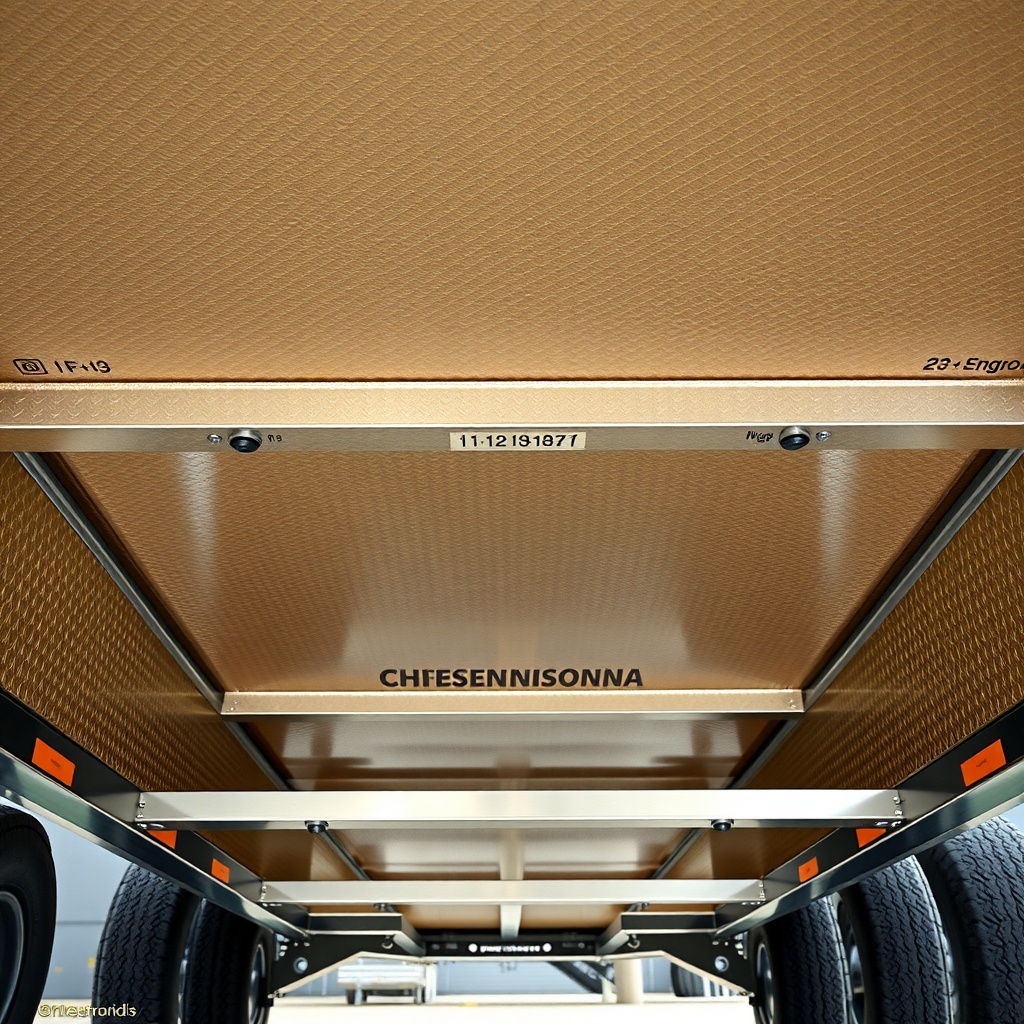
The welding on the Pennsylvania Cargo 6×12 is primarily MIG (Metal Inert Gas) welding, using a 0.035-inch diameter wire, with a gas mixture of 90% argon and 10% carbon dioxide. This process yields a stable arc, minimal spatter, and deep penetration into the base metal. The manufacturer uses six-axis robotic welding arms for repeatable, high-quality beads on the main frame rails and crossmembers. Hand welders are reserved for final assembly points like the fender brackets, jack mount, and spare tire carrier, where positioning requires human judgment. Each hand weld is inspected visually and then checked with a weld gauge to confirm fillet weld size meets the 1/4-inch specification for structural joints. The A-frame tongue, where maximum stress occurs, is welded with a double-pass procedure: a root pass and a cap pass, which ensures full fusion. The result is a weld that can withstand the dynamic loads of towing without cracking.
Pennsylvania Cargo also performs a destructive test on one out of every 200 trailers. A sample weld coupon is cut from a random frame, then bent to a 90-degree angle to check for discontinuities. The fail rate is under 0.5%, which is excellent for this production volume. The company also uses a weld logging system that tracks each weld by serial number, making it possible to trace any repair back to the specific robot or welder and shift. This traceability, combined with the robust welding procedure, is why many fleet owners and contractors repeatedly choose the Pennsylvania Cargo 6×12. For those wanting to verify weld quality on a used unit, a simple visual check for rust trails around weld joints often indicates poor penetration—a problem rarely found on this model. More details on maintaining structural integrity can be found in our cargo trailer floor repair guide.
How Does the Build Quality Compare to Other 6×12 Trailers?
| Feature | Pennsylvania Cargo 6×12 | Average Budget 6×12 | Premium Brand 6×12 |
|---|---|---|---|
| Frame steel gauge | 5-inch, 0.120″ channel | 4-inch, 0.083″ C-channel | 6-inch, 0.120″ channel |
| Crossmember spacing | 16″ centers | 24″ centers | 16″ centers |
| Weld type | Continuous MIG, robotic + hand | Skip-weld, hand MIG | Full continuous MIG, robotic |
| Weld inspection | Magnetic particle (spots) | Visual only | X-ray on all primary joints |
| Rust warranty | 10-year limited | 5-year limited | 12-year limited |
| Floor thickness | 3/4″ plywood | 1/2″ plywood | 3/4″ plywood + steel |
| Base price (USD) | $4,200 | $3,000 | $5,800 |
This table highlights where the Pennsylvania Cargo 6×12 sits solidly in the mid-range, offering frame thickness and welding quality that rival premium brands but at a price nearly 30% lower. The continuous welding and 16-inch crossmember spacing give it a structural advantage over budget models that often cut corners on weld coverage and crossmember frequency. Owners who compare multiple trailers report that the Pennsylvania Cargo feels noticeably more rigid when loaded to near its 5,000-pound gross vehicle weight rating (GVWR). The 10-year rust warranty also provides peace of mind over the bargain brands. If you’re deciding between a few options, our page on whether an enclosed cargo trailer is worth it can help you weigh the long-term value.
What Owners Say About Frame Durability
Long-term owners of the Pennsylvania Cargo 6×12 consistently praise the frame’s resistance to twisting and flexing, even after several years of heavy use. One enthusiast from Ohio reported towing his 6×12 over 25,000 miles with an average load of 3,000 pounds of landscaping equipment, and the doors still close without binding. Another owner, a woodworker in New Jersey, noted that the trailer had survived two harsh winters stored outdoors, with only minor surface rust on the undercarriage’s bolt heads—no structural corrosion. The welded D-ring tie-downs are frequently mentioned as a standout feature, as they never loosen or pull out, unlike bolt-in replacements on cheaper trailers. The ramp door’s hinge weld is also cited as particularly robust, maintaining alignment even after repeated heavy loading of pallets and machinery.
On the negative side, a few owners have reported that the paint on the fenders can chip if gravel is kicked up aggressively, though the underlying galvanized metal prevents rust from forming quickly. Some also note that the weight of the frame itself—approximately 1,200 pounds before adding options—lowers the payload capacity to around 3,800 pounds, which is still ample for most personal and light commercial use. Overall, the consensus is that the Pennsylvania Cargo 6×12 offers frame durability that outperforms its price point, and the welding quality is a key reason why. The manufacturer also provides a comprehensive warranty that covers frame cracks for the first five years, which users appreciate as a sign of confidence in their build. For more insight into real-world performance, read through owner forums and user reviews on independent trailer sites.
Frequently Asked Questions
1. Is the Pennsylvania Cargo 6×12 frame fully welded?
Yes, all structural joints on the main frame, crossmembers, and tongue are fully welded with continuous MIG beads. No skip-welding is used, and all four corners have gussets with seal welds.
2. What is the maximum load capacity based on the frame?
The frame is rated for a gross vehicle weight rating (GVWR) of 5,000 pounds. The trailer itself weighs approximately 1,200 pounds, leaving a payload capacity of up to 3,800 pounds, depending on options.
3. Does the Pennsylvania Cargo 6×12 require any frame maintenance?
Routine maintenance includes washing the undercarriage to remove road salt, checking for weld integrity at the tongue and hinges annually, and touching up any paint chips to prevent corrosion. The frame warranty covers rust-through for 10 years.
4. How long do the welds typically last before needing repair?
With proper care, the welds on the Pennsylvania Cargo 6×12 last the lifetime of the trailer. The robotic welding process and materials selection are designed for decades of service under normal use. Most repair issues arise from accident damage or extreme overloading.
5. Can I weld additional brackets or accessories to the frame?
Yes, the frame steel is weld-friendly for experienced welders. However, Pennsylvania Cargo recommends that any modifications be performed by a certified welder to maintain the structural integrity and warranty. Drilling into the frame may also void rust coverage.
6. Is the Pennsylvania Cargo 6×12 frame suitable for off-road use?
While the frame is tough, it is not designed for off-road towing on rough trails. The steel thickness and welding support gravel roads and moderate inclines, but repeated heavy off-road use can cause fatigue at spring mounts and axle brackets. Stick to paved or well-graded roads for best durability.