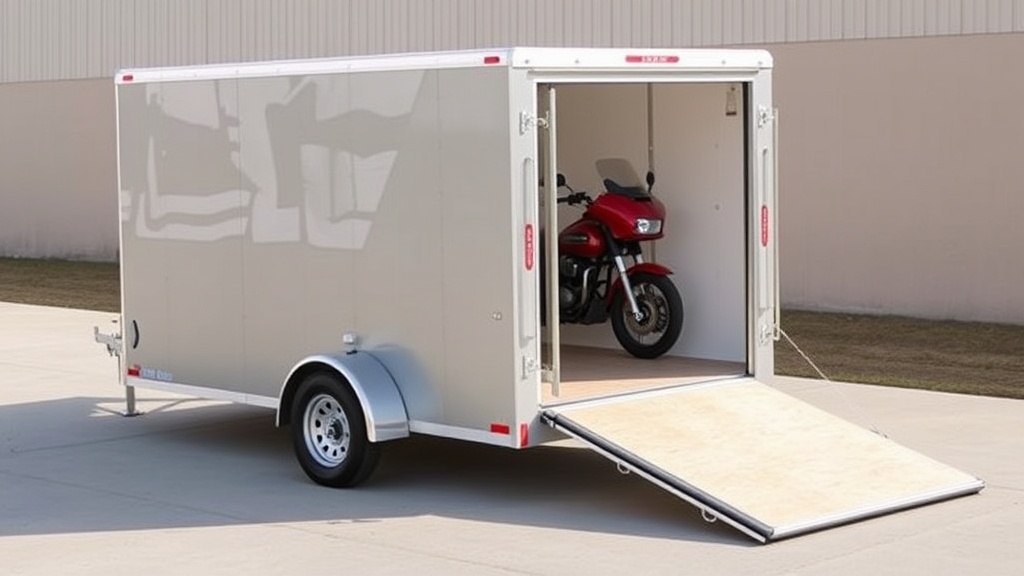
Straight Talk on Loading Motorcycles Into the Pacesetter 7×14
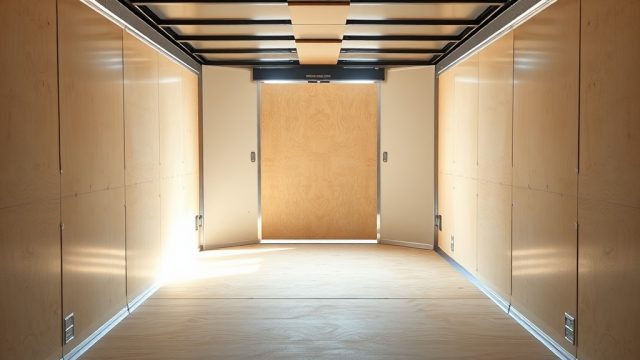
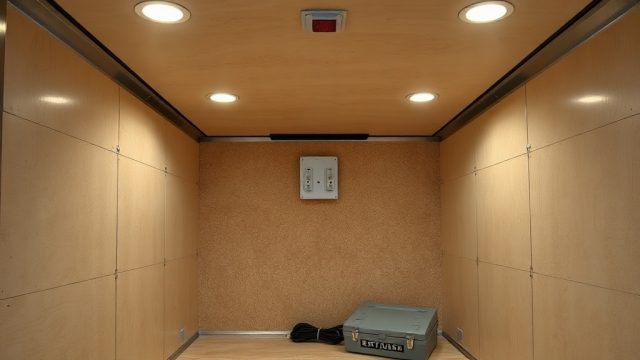
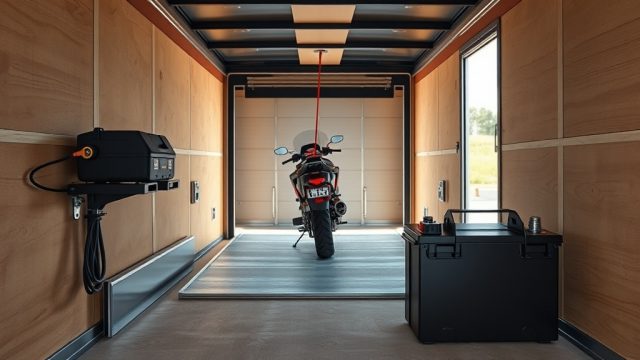
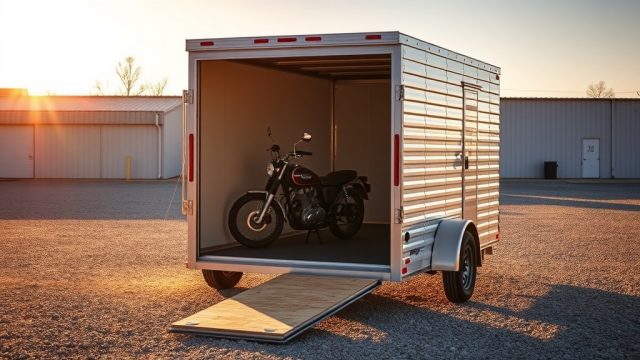
The PJ Trailers Pacesetter 7×14 is a popular choice for riders who want a dedicated hauler that can take two full-sized baggers or a mix of dirt and street bikes. But getting the interior layout right matters more than most buyers realize. Poor positioning can lead to scratched fairings, strained tie-down points, or a trailer that sways at highway speeds. This article covers six critical layout questions owners face when setting up the Pacesetter 7×14 for motorcycle hauling.
How should I position the front wheel chocks in the PJ Pacesetter 7×14?
Placement of wheel chocks is the single most important decision for load stability. The Pacesetter 7×14 has 83 inches of usable interior width and 168 inches of floor length. For two full-size touring bikes, mount the chocks offset—left chock roughly 18 inches from the left wall, right chock about 22 inches from the right wall. This creates a 6-to-10-inch gap between handlebars, enough to avoid contact during turns while keeping the center of gravity low. If you plan to haul a single heavy cruiser, center the chock at the 41-inch mark from either wall, but offset the bike 4–6 inches toward the rear to leave room for gear or a small dirt bike behind the front wheel.
Use E-track or 3/4-inch plywood backer plates when bolting through the stock PTF floor. The Pacesetter’s floor uses 3/4-inch pressure-treated plywood, which can hold 1/2-inch Grade 8 bolts with fender washers, but the wood will compress over time without reinforcement. Set chock spacing so that when both bikes are loaded, you still have 18 inches of clearance between the rear tire and the rear ramp door. This prevents the bike from rolling off the ramp when you open the door.
What’s the best tie-down anchor arrangement for securing multiple bikes?
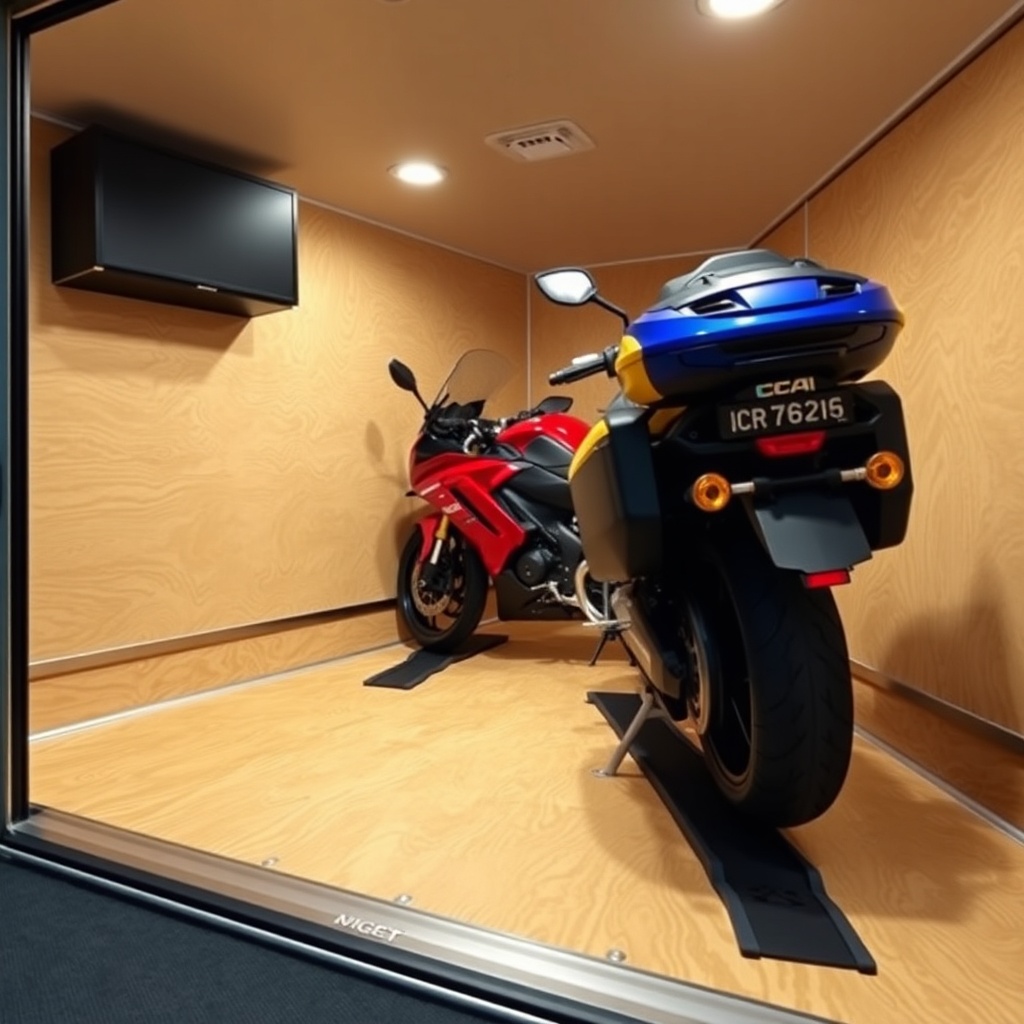
The Pacesetter’s side walls are made of 2-inch square tube steel on 24-inch centers, which is sturdy but not designed for high lateral loads directly into a single mounting point. For best results, install a 10-foot-long section of E-track along each side wall, about 14 inches up from the floor. This lets you use four separate straps per bike—two forward at the handlebars or triple trees, two rear at the swingarm or frame rails. Using a single floor D-ring for the rear tie-down puts excessive force on the floor plywood and can pull the bolt through.
If you prefer floor anchors, space D-rings so they align with the chock positions. For a two-up setup, install four rings per bike: one pair 6 inches in front of the front wheel, another pair 18 inches behind the rear wheel. Use 12-inch spacing between left and right floor rings. The Pacesetter’s JT 3500 lb axle (5-lug, electric brake) and 5,200 lb GVWR mean the trailer can handle the weight, but the tie-down points must match the load distribution. Cross-tying the rear straps (left rear strap to right floor ring and vice versa) reduces lateral sway and keeps the bikes upright during sudden stops.
For a detailed look at how floor maintenance affects anchor longevity, read our PJ Trailers Pacesetter 7×14 Floor Rust Prevention and Care guide.
What tire sizes fit without modifications to the interior width?
The Pacesetter 7×14 offers 83 inches of interior width. That’s enough for two typical 42-inch-wide touring bikes, but you need to account for mirror clearance. Most aftermarket mirrors add 3–5 inches to each side, so a 38-inch-wide bike can require up to 44 inches of clearance when mirrors are on. If both bikes are 42 inches at the handlebars, you’ll have roughly 40 inches of leftover width, which is tight for mirrors. Plan to fold mirrors forward or remove them for transport. For dirt bikes, a row of three is possible: two facing forward, one reversed in between, using about 70 inches total.
Tire diameter is less of a limit—anything under 32 inches fits easily. The interior height is 78 inches, so tall adventure bikes with 29-inch front tires and high windscreens can still clear the ceiling. But if you add a 1-inch rubber floor mat, the height drops to 77 inches. Measure your tallest bike with a rear shock fully extended (unloaded) before committing to a layout.
How should I configure the interior for a mixed load of street and dirt bikes?
Mixed loads create weight distribution challenges. The Pacesetter’s torsion axle (standard) sits roughly 12 inches behind the center of the floor. A street bike weighing 800 pounds should go directly over or slightly ahead of the axle. Place a 250-pound dirt bike behind it, against the rear door. This keeps tongue weight in the 10–15% range of total trailer weight—critical for stability. With a single 800-pound street bike, tongue weight will be about 400 pounds, which is fine for a 1/2-ton truck. Adding the dirt bike behind shifts tongue weight down to roughly 350 pounds, still within safe limits.
If you haul four dirt bikes, arrange them in a two-and-two staggered pattern: left front, right middle, left middle-right, right rear. Use 38-inch-long wheel chocks bolted to 2×6 lumber spanning the floor crossmembers to spread load. This keeps each bike from shifting its weight onto adjacent bikes. Keep at least 14 inches between handlebar pairs to avoid bar-to-bar contact during cornering. A small toolbox or tire rack can sit in the nose (the front compartment) to add tongue weight if the load is too rear-heavy.
For more on how the suspension handles mixed loads, see PJ Trailers Pacesetter 7×14 Axle Material and Suspension Analysis.
What’s the best way to protect fairings and paint during loading?
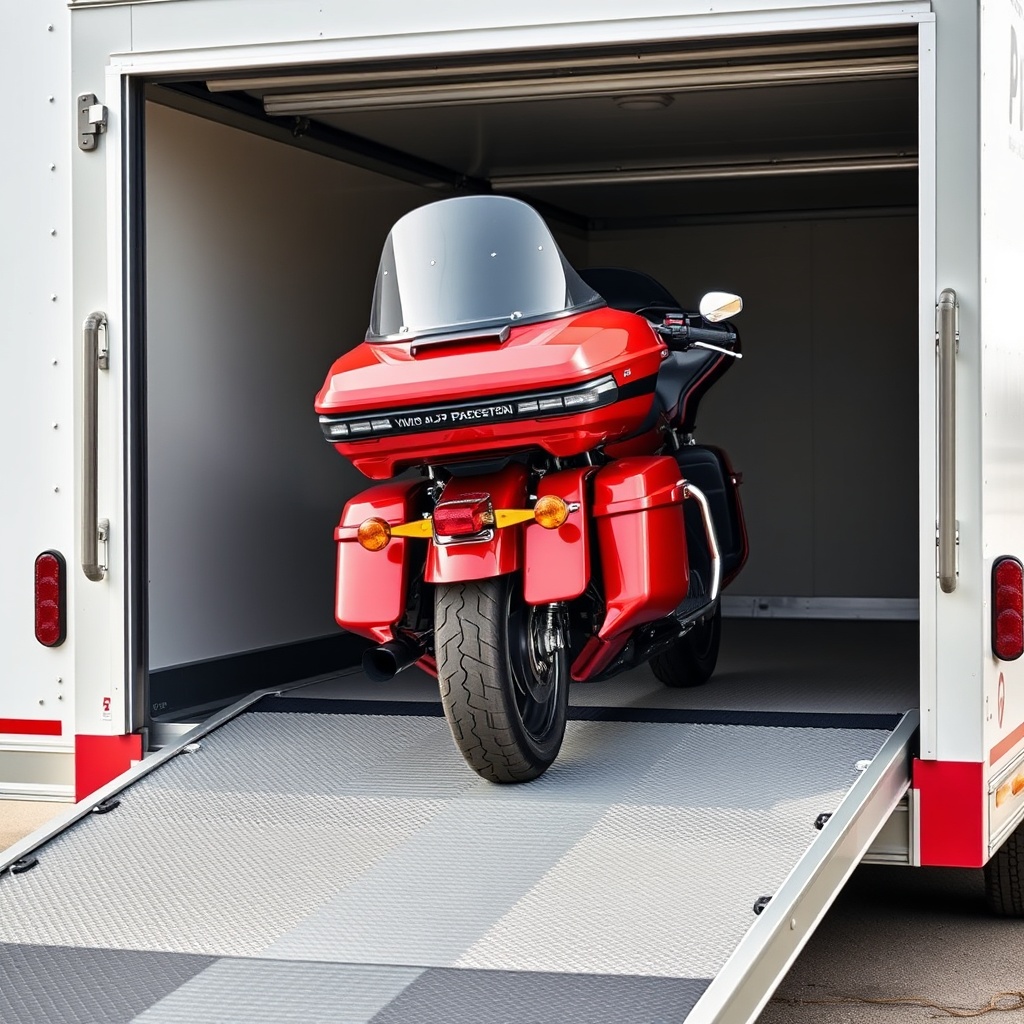
The Pacesetter’s ramp door is 74 inches wide, which is generous, but the edges of the steel frame can contact a wide fairing if you’re off-center. Install 2-inch-thick foam pipe insulation along the inside edges of the ramp and the top corners of the door opening. This costs about $15 at a hardware store and prevents a $1,500 paint repair. When winching a heavy bike up the ramp, place a rolling jack stand under the trailer’s tongue to keep the ramp angle low. The stock ramp is 48 inches long, so up to a 30-degree angle on level ground—trim this to 15 degrees by jacking the tongue to a 24-inch height.
Use a front tire chock that allows the bike to lean 2–3 degrees toward the left wall when both bikes are loaded. This shifts the center of gravity slightly left, which helps counteract the driver’s side weight of the empty propane tank or battery if installed. For fully faired bikes, a Canyon Dancer or equivalent bar harness is safer than strap-on handlebar hooks, which can compress grips and damage throttle cables. Run the front straps through the triple tree or fork leg instead for better control.
How do I integrate storage cabinets or toolboxes without sacrificing bike room?
The Pacesetter’s V-nose adds about 30 cubic feet of storage in the front compartment. For most two-bike setups, you can install a lockable aluminum toolbox up to 24 inches deep and 36 inches wide in the V-nose. This removes the need for floor cabinets. If you need side-cabinet storage, limit it to 12-inch-deep, floor-mounted boxes along one wall—enough for tie-downs, a tire pump, and basic tools. Keep the cabinet away from the wheel wells, which protrude about 6 inches into the interior on each side. The Pacesetter’s wheel wells are centered 30 inches from the front wall, so a 48-inch-long cabinet starting at the front wall will fit without interference.
For a single bike setup, you can build a raised platform on the opposite side of the wheel well for additional gear. Use 3/4-inch plywood bolted to angle iron brackets attached to the steel frame. This keeps the floor clear and leaves the full length of the trailer for a single bike. Avoid storing heavy items behind the axle, as it reduces tongue weight. A good rule of thumb: anything over 50 pounds behind the axle should be balanced by adding 30 pounds of tongue weight in the V-nose.
Common Issues Owners Report With Interior Layout
Owners of the PJ Pacesetter 7×14 often mention two practical problems after setting up their interior. First, the stock floor drain (centered about 20 inches behind the front wall) can leak if water pools from washing bikes. It’s a simple rubber plug, but several owners have replaced it with a brass drain that includes a threaded cap to prevent leaks. Second, the standard 2-inch wide interior sidewall tubing makes it hard to install tall cabinets that require full-height backing. Most owners solve this by attaching 1/2-inch plywood sheeting to the walls with self-tapping screws to create a uniform surface for shelves or hook strips.
Another common observation: the Pacesetter’s standard 36-inch rear door is narrow for trikes. While the 74-inch ramp door works for two-wheelers, owners who later switch to a trike find they need to fold the ramp down and back up at an angle, which adds stress to the ramp hinges. If you plan to haul a trike now or later, upgrade to the optional 60-inch rear door.
For a deeper dive on ramp and weight distribution, check our Setting Up the PJ Pacesetter 7×14: Spring vs Torsion Bar Hookup Guide.
Frequently Asked Questions
Can I haul two Harley Ultra Limiteds side by side in the Pacesetter 7×14?
Yes, if you fold the mirrors forward. Each Ultra Limited is approximately 38 inches wide at the saddlebags and 42 inches at the mirrors. With 83 inches of width, you’ll have about 2 inches of clearance on each side and 1 inch between the mirror sets. Using offset chocks (left forward, right back by 12 inches) provides more mirror clearance.
What’s the maximum motorcycle length that fits in a 7×14 Pacesetter?
With the ramp closed, usable floor length is 168 inches (14 feet). Most full-dress touring bikes are 100–110 inches long, so you have plenty of space for a single bike plus gear or two bikes staggered. For a single bike over 120 inches (like a stretched bagger), you need to angle it or remove the rear wheel.
Do I need to upgrade the torsion axle for heavy hauling?
The standard torsion axle rated at 3,500 lbs is sufficient for two 900-pound touring bikes plus gear. The trailer GVWR is 5,200 lbs. If you plan to exceed 4,500 lbs of cargo (improbable with bikes), upgrade to the 5,200 lb leaf spring option. For motorcycles alone, the stock torsion axle provides a smoother ride than leaf springs.
Can I install a fuel station or extra battery in the V-nose?
Yes, the V-nose has about 30 cubic feet of space. Many owners install a 10- to 15-gallon fuel caddy and a Group 24 deep-cycle battery there. Ensure the battery is in a sealed box and vented to the outside if you’re storing fuel nearby. Keep the fuel can secured with ratchet straps to prevent shifting.
How often should I re-torque the tie-down bolts in the wood floor?
Check torque every 6 months or after any long trip. The floor wood shrinks and expands with humidity. Re-torque to 20–25 ft-lbs for 1/2-inch bolts. Use a torque wrench to avoid stripping the plywood. If you see the bolt spinning freely, replace the plywood backing with a metal plate.
Is the Pacesetter 7×14 compatible with a standard motorcycle wheel chock for the front?
Yes, most standard wheel chocks that accept tires from 17 to 21 inches will work. The floor is flat, so bolt-on chocks are easier than weld-on. Look for a chock with a base that matches the 12-inch-wide spacing of E-track slots if you use that mounting method. Avoid chocks designed for 5-inch-wide channels unless you add a custom adapter plate.