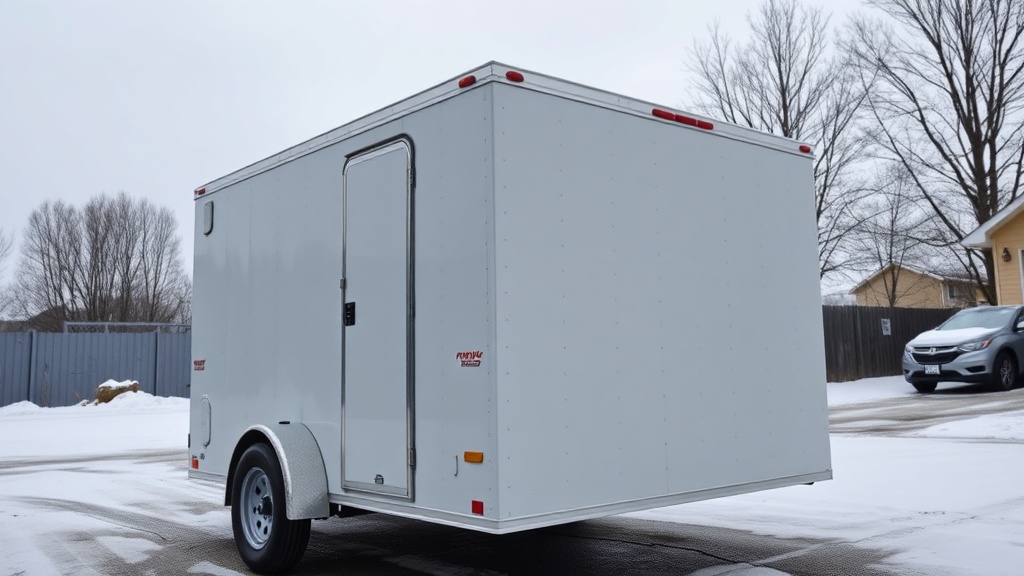
Why Proper Winter Storage Matters for the Pennsylvania Cargo 6×12
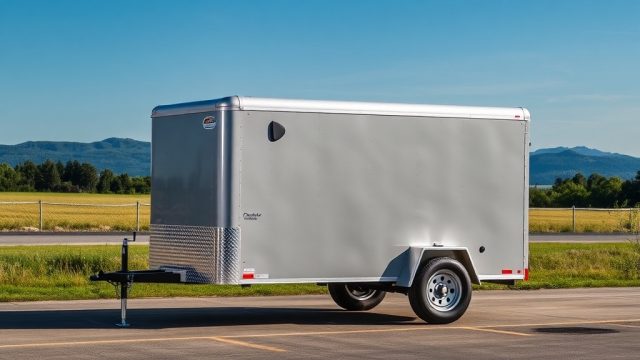
As winter approaches, the Pennsylvania Cargo 6×12 trailer—popular among contractors, campers, and haulers in the Keystone State—faces unique seasonal threats. Snow, ice, and prolonged cold can damage seals, lead to corrosion, and degrade electrical systems if left unchecked. This guide provides a targeted winter storage preparation plan, focusing on troubleshooting common cold-weather issues and performing essential upkeep to keep your 6×12 in top shape through spring.
Before diving into the details, ensure you’ve addressed critical interior upgrades. If your trailer’s wiring is dated, reviewing the Pennsylvania Cargo 6×12 Interior Wiring Upgrade: Step-by-Step Guide can prevent shorts caused by condensation. Similarly, checking the Pennsylvania Cargo 6×12 Roof Vents Installation: Improve Airflow and Reduce Condensation helps manage moisture before you seal the trailer up.
How Do I Prevent Moisture Buildup Inside My Pennsylvania Cargo 6×12?
Condensation is the top enemy of winter storage. When warm, moist air inside the trailer meets cold metal and wood surfaces, it creates water droplets that promote mold, rust, and rot. For the Pennsylvania Cargo 6×12, standard plywood walls are especially vulnerable. Start by thoroughly drying the interior: remove all cargo, sweep debris, and wipe down surfaces with a dry cloth. Then, introduce passive ventilation.
Installing a roof vent—even a non-powered model—dramatically reduces humidity. Read the Pennsylvania Cargo 6×12 Roof Vents Installation: Improve Airflow and Reduce Condensation for step-by-step guidance. For owners who can’t install a vent, use desiccant packs (silica gel or calcium chloride) placed in open buckets. Budget approximately $45–$65 CAD for a set of high-capacity desiccants that last the season.
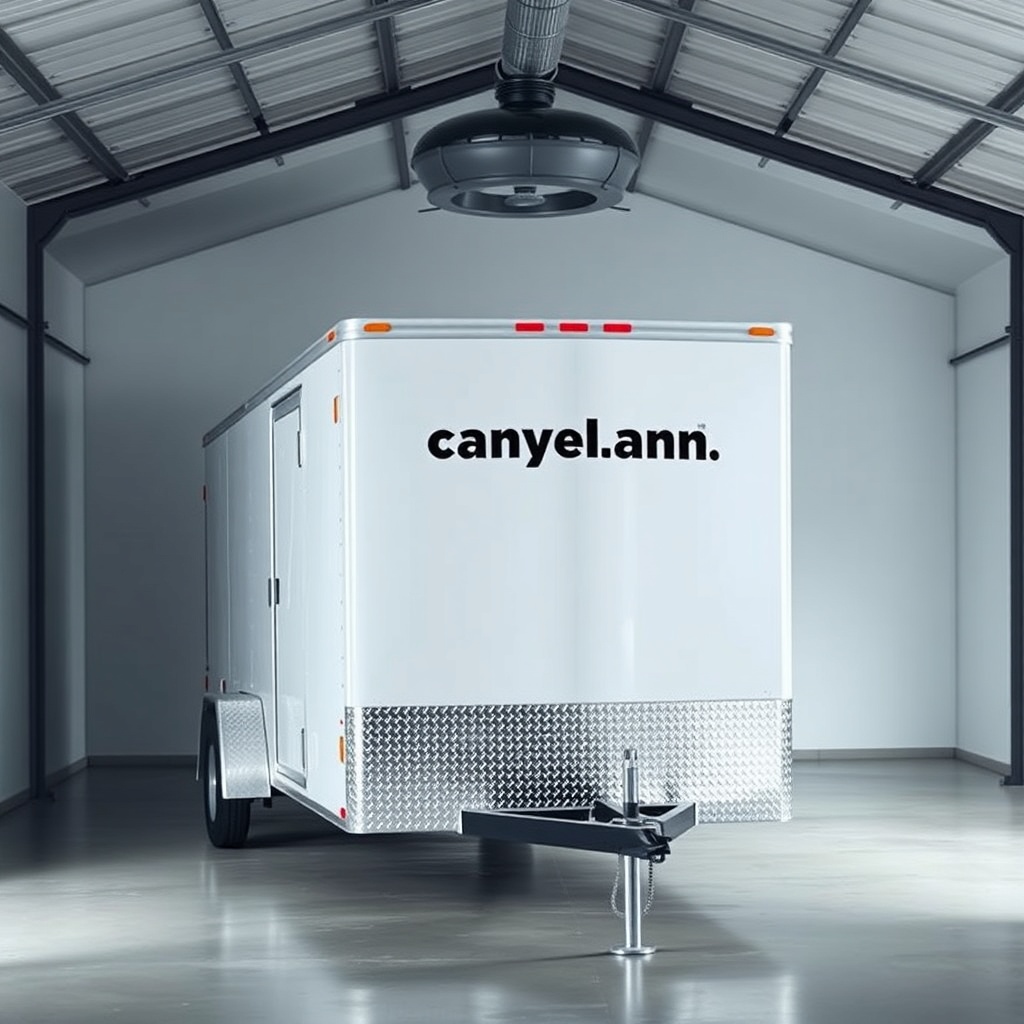
What Should I Do to the Exterior Seals and Weatherstripping?
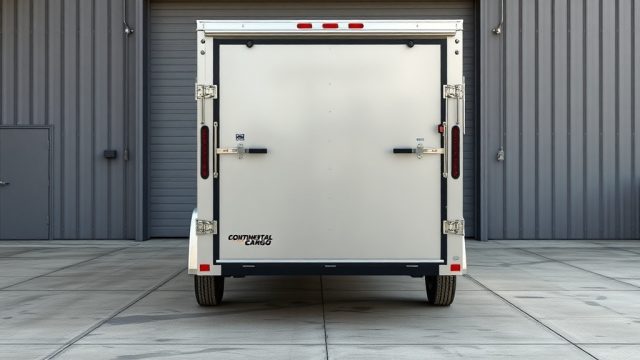
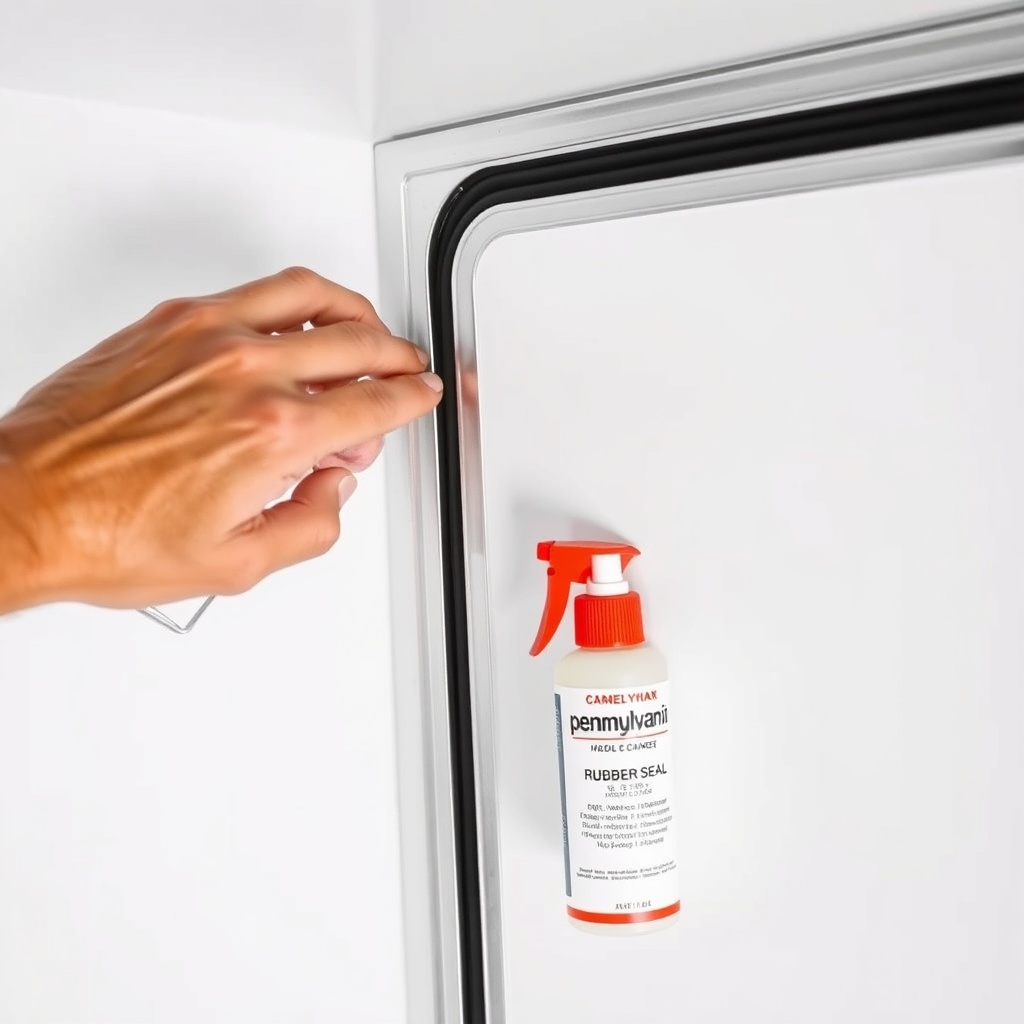
Weatherstripping around the rear door and side ramp (if equipped) is often the weak point where cold air and moisture intrude. Inspect all rubber seals for cracking, brittleness, or gaps. On a typical Pennsylvania Cargo 6×12, the main door seal is a ¾-inch bulb-style rubber gasket. Replace any damaged sections with EPDM rubber seals from a trailer supply store—costing about $2.50–$4.00 CAD per linear foot.
Next, apply a silicone-based lubricant to all hinge pins, latches, and lock mechanisms to prevent freezing. Use dielectric grease on electrical connections, especially the 7-pin trailer connector, to block corrosion. Finally, ensure the roof’s edge trim is secure. Loose trim can allow water to seep into the plywood roof deck. Seal any gaps with RV-grade sealant ($8–$12 CAD per tube).
How Do I Protect the Floor from Winter Damage?
The 6×12’s floor is typically ¾-inch plywood, often coated with a thin paint or plastic layer. Over winter, freeze-thaw cycles can cause moisture trapped in the wood to expand and delaminate. Even if you think the floor is dry, a layer of insulation or a moisture barrier helps. Place interlocking foam mats or a rubber floor liner ($60–$90 CAD for the entire floor area) to wick away condensation.
If your floor has existing scratches or worn coating, winter is the ideal time to sand and reseal it. Refer to the Pennsylvania Cargo 6×12 Floor Sanding and Refinishing Tips for a full tutorial. A pre-winter refinishing adds years to the floor’s life and prevents moisture absorption. Invest $80–$120 CAD in a good marine-grade urethane coating.
How Should I Prepare the Trailer’s Tires and Suspension for Winter?
Tires lose pressure in cold weather—roughly 1 PSI per 10°F drop. Before storage, inflate all tires to the maximum cold pressure listed on the sidewall (usually 50–65 PSI for ST205/75R15 tires on this model). This prevents flat spots from developing over months of sitting. If the trailer will be parked outside, consider tire covers to block UV and snow accumulation ($30–$50 CAD per pair).
Grease the suspension fittings: each spring shackle and equalizer grease zerk should receive 3–4 pumps of lithium-based grease. Check the wheel bearings for play. If the bearings show signs of wear, repack them with high-temperature bearing grease. Ignoring this can lead to bearing failure on the first spring trip. A bearing repack kit costs around $25–$40 CAD.
| Winter Task | Frequency | Cost (CAD) | Severity if Skipped |
|---|---|---|---|
| Check & inflate tires | Before storage + monthly | $0 (if using free air) | Medium – flat spots, blowout risk |
| Grease suspension | Before storage | $5–$10 (grease only) | High – seized shackles, spring damage |
| Inspect & reseal roof edges | Annually before winter | $8–$15 (sealant) | High – water intrusion, rot |
| Replace weatherstripping | As needed | $10–$30 (seal kit) | Medium – drafts, moisture entry |
| Install desiccants | At storage start | $45–$65 | Low–Medium – mold risk if unchecked |
Should I Remove the Battery for Winter Storage?
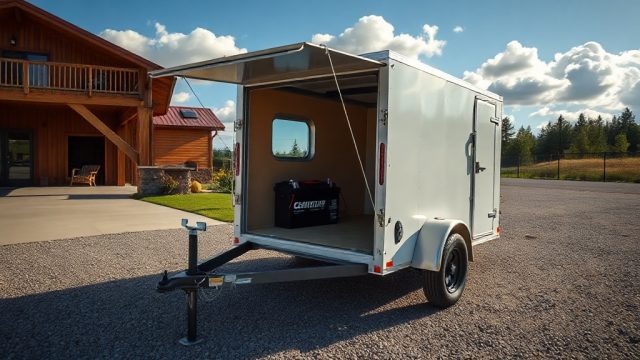
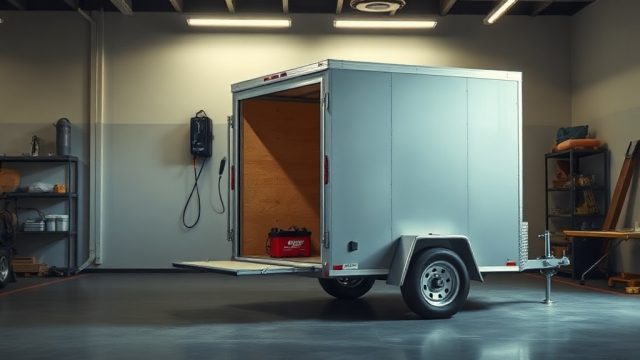
Absolutely. The Pennsylvania Cargo 6×12 typically comes with a Group 24 deep-cycle battery (if equipped for electric brakes or interior lights). Lead-acid batteries self-discharge in cold temperatures and can freeze if depleted. Fully charge the battery, then remove it from the trailer. Store it in a cool (not freezing), dry location. Place it on a trickle charger—like a 1.5-amp Battery Tender ($35–$55 CAD)—to maintain voltage.
If your trailer has interior lighting, consider upgrading to LED before storage. LEDs are less susceptible to temperature-related failures and draw less power. The Pennsylvania Cargo 6×12 Interior Lighting Upgrade: LED Strip Installation Guide offers a complete conversion plan. Also confirm trailer breaks are not engaging due to a weak battery—inspect the breakaway switch cable to ensure it’s not pulled.
What Owners Say
Owners of the Pennsylvania Cargo 6×12 frequently emphasize one mistake: skipping the floor moisture barrier. “I thought my floor was dry, but after three months in the driveway I found soft spots near the door. That was a $500 repair lesson,” reports a user from Erie. Another owner in Pittsburgh relies on a basic dehumidifier inside the garage-stored unit: “I run a small 30-pint unit on a timer—costs maybe $20 in electricity for the whole winter—and it keeps everything bone dry.”
Several users highlight the importance of checking tongue weight before winter parking: an imbalanced trailer can put stress on the coupler. See the Pennsylvania Cargo 6×12 Tongue Weight Measurement and Adjustment Guide for proper loading. One Vermont owner noted, “After adding a roof vent and sealing the trim, I had zero mildew issues. The rot problem I had before was from leaving the windows closed all winter—now I crack the vent an inch.”
Frequently Asked Questions
1. Can I store my Pennsylvania Cargo 6×12 outdoors?
Yes, but outdoor storage adds risk. Use a cover rated for trailers ($100–$200 CAD), keep it out of low-lying areas where water pools, and ensure the roof drain holes are clear. Indoor storage is strongly recommended for long-term protection.
2. How do I lock the trailer for winter without freezing the latch?
Apply graphite powder or silicone spray to the latch mechanism before locking. Avoid oil-based lubricants, which can gum up in cold. Use a stainless steel lock core.
3. Should I treat the wood walls with anything?
If walls are bare plywood, apply a low-VOC water repellent or clear acrylic sealer ($25–$40 CAD per gallon). Focus on corners and seams. For painted walls, touch up any chips to prevent moisture entry.
4. How often should I check the trailer in winter?
Monthly inspections are ideal. Pop inside to check for condensation on walls, inspect desiccants (replace if saturated), and verify tire pressure. After heavy snowfall, clear the roof of excess snow—weight can exceed 1,000 pounds if left for weeks.
5. Can I leave the trailer plugged into truck power for battery maintenance?
No—disconnect the battery. Truck alternators can overcharge a storage battery, and parasitic draws may drain it. Always remove and store separately.
6. What’s the best way to keep mice out during winter?
Seal any gaps with steel wool and caulk. Place peppermint oil-soaked cotton balls in corners (cost: under $5 CAD). Set traps inside the trailer. Avoid poison, as dead rodents can cause odor issues.