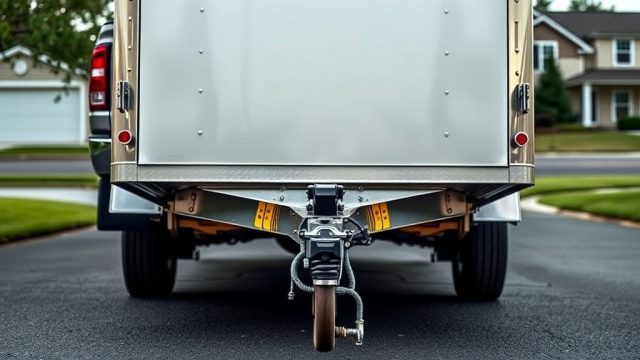
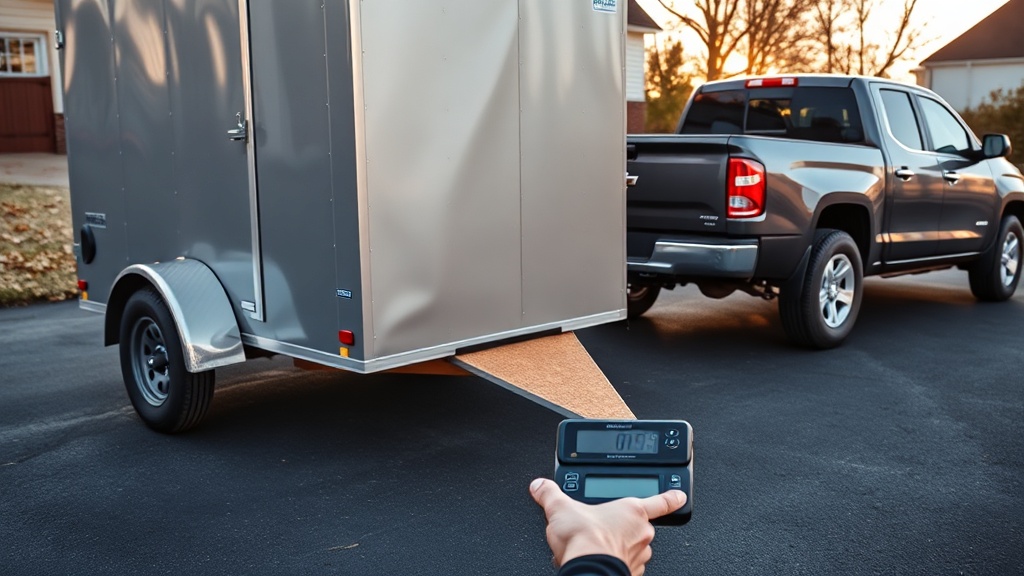
Why Does Tongue Weight Matter for a Pennsylvania Cargo 6×12?
Proper tongue weight is the single most critical factor in safe towing with your Pennsylvania Cargo 6×12 trailer. Too little weight on the hitch causes dangerous sway at highway speeds, while too much overloads the tow vehicle’s rear axle and compromises steering and braking. For this 6×12 cargo model—with a GVWR typically around 7,000 lbs and a dry weight near 1,500 lbs—manufacturers recommend a tongue load of 10% to 15% of the total loaded trailer weight. That means for a 5,000-lb cargo load, your tongue weight should fall between 500 and 750 lbs.
Understanding and adjusting tongue weight isn’t just about compliance; it’s about protecting your investment in the Pennsylvania Cargo 6×12 and every piece of gear inside. A correctly balanced trailer tracks straight, reduces wear on tires and suspension components, and gives you confidence on every trip. If you’re planning modifications like a Pennsylvania Cargo 6×12 Winch Mount Installation: Secure Motorcycle Loading, the added weight up front can shift your tongue weight significantly, making measurement and adjustment even more critical.
How Do I Measure Tongue Weight on a Pennsylvania Cargo 6×12?
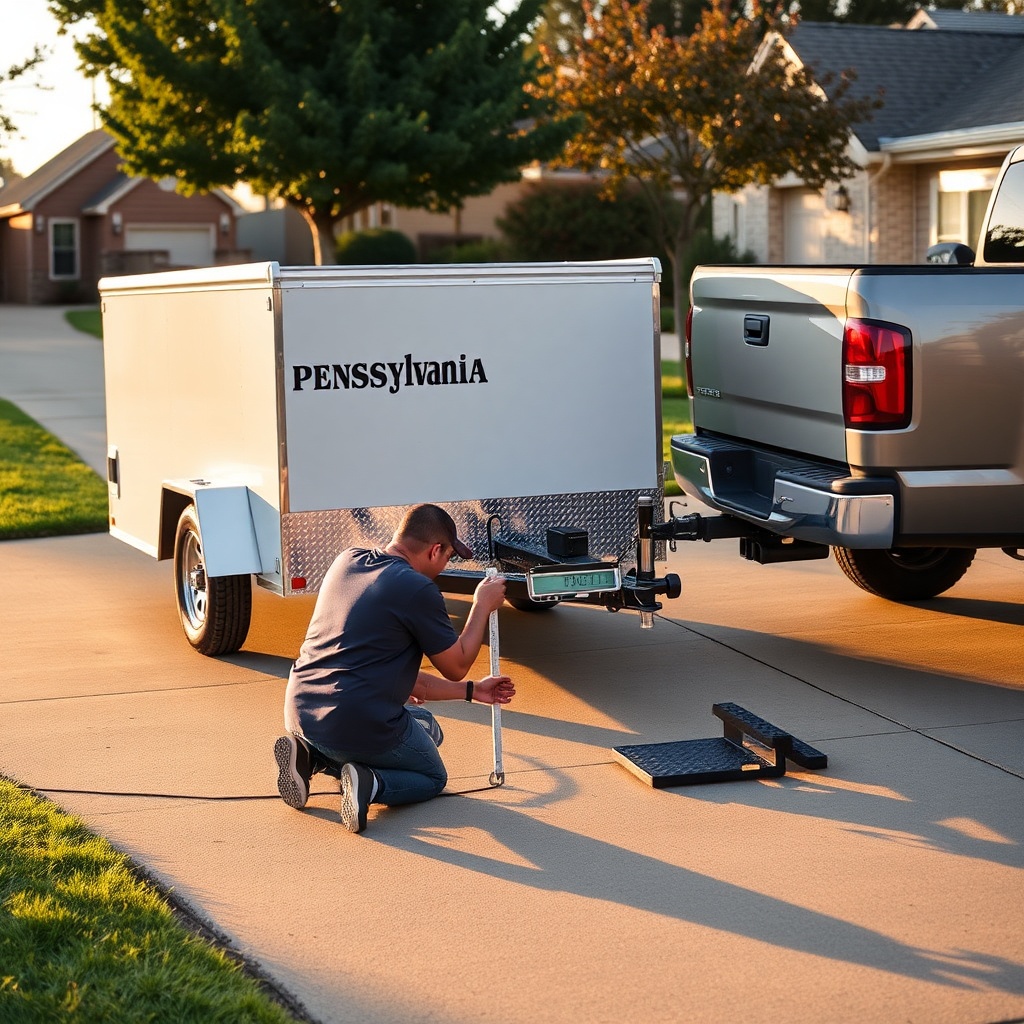
Measuring tongue weight accurately requires basic tools and a level surface. The most accessible method for the DIY owner involves a standard bathroom scale and a length of 2×4 or steel pipe. Park the trailer on level ground, chock the wheels securely on both sides of both axles, and disconnect the trailer from the tow vehicle. Raise the jack until the coupler clears the hitch ball by about an inch.
Next, place the scale on the ground directly under the coupler. For accurate reading, use a short piece of 2×4 or round pipe between the scale platform and the coupler to distribute the load and avoid damaging the scale. Slowly lower the jack until all weight rests on the scale. Note the reading—this is your gross tongue weight. If the scale maxes out at 300 lbs and you exceed that, you’ll need a heavier-duty scale or a weight distribution system. For a Pennsylvania Cargo 6×12 with heavy equipment inside, invest in a Sherline scale ($150–$200 USD) rated to 2,000 lbs for consistent results.
After getting a baseline measurement, check your tow vehicle’s hitch rating. Most Class III hitches handle 500–600 lbs tongue weight without a weight distribution hitch. For heavier loads, you’ll need a Class IV or V hitch and a weight distribution system. To save space and improve interior access, many owners pair this measurement step with a Pennsylvania Cargo 6×12 Interior Wiring Upgrade: Step-by-Step Guide while the trailer is stationary and empty.
What Is the Correct Tongue Weight Range for a Loaded Pennsylvania Cargo 6×12?
The rule of thumb for any towable trailer, including the Pennsylvania Cargo 6×12, is 10% to 15% of total loaded trailer weight. For a typical build with a 6,000-lb gross weight (trailer weight plus cargo), your target tongue weight is 600 to 900 lbs. Staying within this range balances stability, braking, and hitch durability. Going below 10% invites sway that no anti-sway bar can fully correct, while exceeding 15% overloads your tow vehicle’s rear axle and reduces front-wheel traction for steering.
Here’s a practical reference table for common cargo loads in the Pennsylvania Cargo 6×12:
| Total Loaded Weight (lbs) | Minimum Tongue Weight (10%) | Maximum Tongue Weight (15%) | Severity of Imbalance |
|---|---|---|---|
| 3,000 (light build) | 300 | 450 | Low |
| 4,000 (camping gear) | 400 | 600 | Moderate |
| 5,000 (motorcycle + tools) | 500 | 750 | High |
| 6,000 (near GVWR) | 600 | 900 | Critical |
If you’re loading a motorcycle or ATV—especially after a Pennsylvania Cargo 6×12 Winch Mount Installation: Secure Motorcycle Loading—remember that the winch and mounting hardware add 35–50 lbs to the tongue area alone. Factor that into your calculations. Also note that adding roof-mounted accessories, like those covered in the Pennsylvania Cargo 6×12 Roof Vents Installation: Improve Airflow and Reduce Condensation guide, shifts weight upward and can subtly affect tongue weight if you store heavy gear on the roof.
How Do I Adjust Tongue Weight When It’s Too High or Too Low?
Adjusting tongue weight on a Pennsylvania Cargo 6×12 involves redistributing cargo, not moving the coupler. If your tongue weight measures above the safe 15% threshold, shift heavy items—like toolboxes, generators, or coolers—rearward of the axles. Move them in increments of 6 to 12 inches, re-measure after each shift until you land within the 10–15% window. For drastic overages, consider moving the batteries or propane tanks, which are often mounted on the tongue by default.
If tongue weight is too low—below 10%—move heavy gear forward. Place it directly over or just ahead of the trailer’s axles. This is where the empty weight of the Pennsylvania Cargo 6×12 matters: the coupler weighs about 40 lbs empty, but you need to add substantial load to reach target. A common mistake is storing all weight behind the rear axle, which creates a tail-heavy setup eager to sway. When adding front storage, balance carefully—stacking 200 lbs of firewood on the tongue may push you over the hitch rating. For reference, avoid exceeding the manufacturer’s coupler rating, typically 2,000 lbs on this model.
If after repositioning cargo you still can’t reach the correct range, consider permanent modifications. Adding a spare tire mount to the rear can subtract up to 60 lbs from tongue weight. Alternatively, adding a front storage box rated for the tongue can add weight if needed. When undertaking any interior work such as Pennsylvania Cargo 6×12 Floor Sanding and Refinishing Tips, you’ll already have the trailer empty—a perfect time to evaluate and adjust cargo layout for optimal tongue weight.
What Tools Do I Need to Measure and Adjust Tongue Weight?
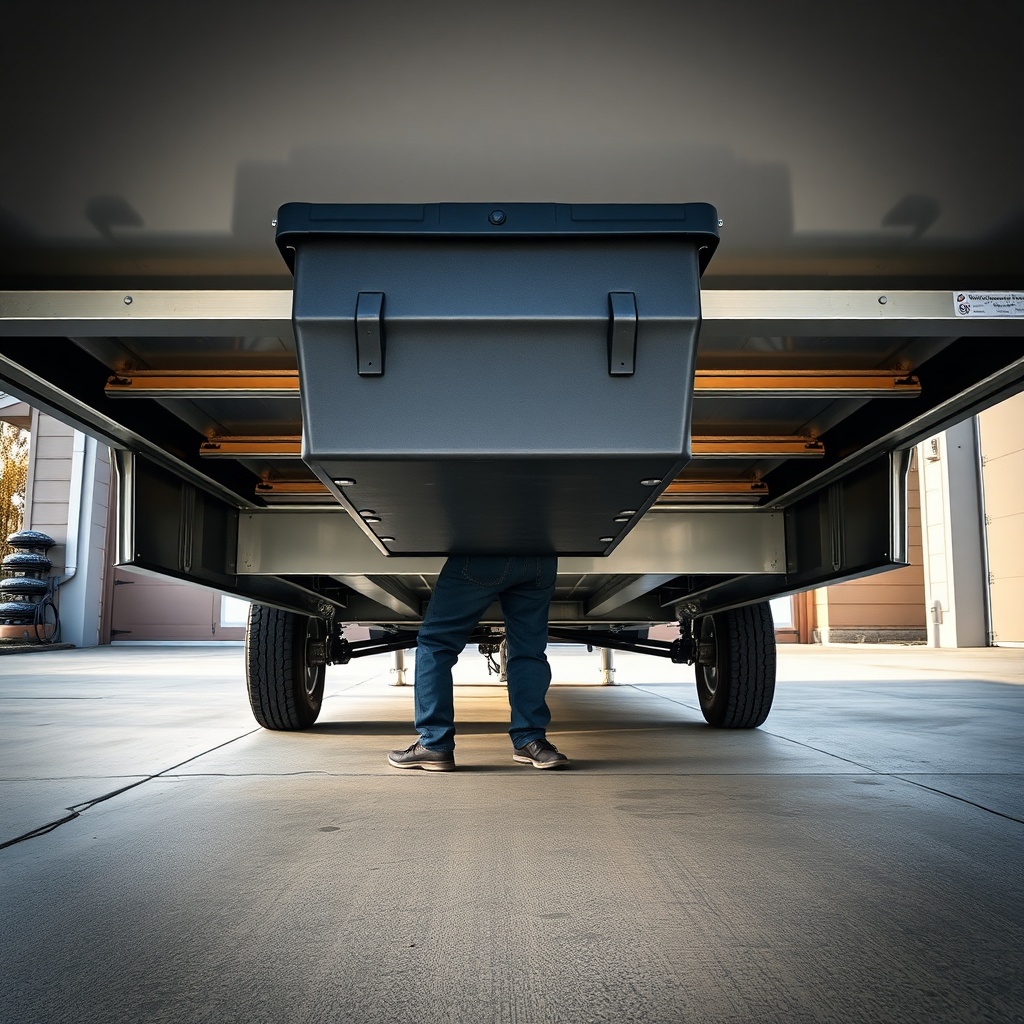
For accurate tongue weight measurement and adjustment on your Pennsylvania Cargo 6×12, gather these specific tools. First, a bathroom scale (300-lb capacity minimum) or a dedicated tongue weight scale like the Sherline 2,000-lb model at $160 USD. Second, a 12-inch length of solid steel pipe or 4×4 block to place between the scale and coupler. Third, a tape measure for marking repositioning distances. Fourth, wheel chocks for both axles—rubber or metal, at least two per wheel. Fifth, a handheld bubble level to ensure the trailer is perfectly level during measurement; an unlevel trailer skews the reading.
Optional but helpful: a digital hitch weight checker ($50–80 USD) that mounts directly between the coupler and ball, giving instant readings. Also consider a cargo scale system that integrates into the trailer’s wiring for real-time weight monitoring. If you’re performing a full interior build, the Pennsylvania Cargo 6×12 Interior Lighting Upgrade: LED Strip Installation Guide makes a great companion project while the trailer is emptied for weight adjustment.
What Are the Risks of Incorrect Tongue Weight on a 6×12 Trailer?
Improper tongue weight on a Pennsylvania Cargo 6×12 leads to three major hazards. First, trailer sway at speeds above 45 mph becomes violent and uncontrollable. Even with friction sway bars or electronic stability control, a tongue too light can induce a fishtail motion that overturns the trailer or pushes the tow vehicle off the road. Second, accelerated tire wear: over-loaded tongue bows the trailer frame, causing uneven tire contact and heat buildup, risking blowouts. Third, structural damage to the coupler, frame tongue, and hitch receiver from repeated stress overloads.
In addition to safety risks, incorrect tongue weight voids many trailer warranties and can lead to expensive frame repairs. For the Pennsylvania Cargo 6×12, the steel tongue and A-frame are designed for specific loads; exceeding them by 20% or more may crack welds over time. On the flip side, too little tongue weight causes the trailer to push the tow vehicle from behind, straining the suspension and making cornering unpredictable. Always adjust before hitting the road, and recheck if you add or remove any substantial cargo, such as during a Pennsylvania Cargo 6×12 Roof Vents Installation: Improve Airflow and Reduce Condensation that might involve rooftop storage.
What Owners Say
Pennsylvania Cargo 6×12 owners consistently emphasize that tongue weight measurement is the first step they took after purchase. “I read the manual, but I didn’t realize how far off I was until I actually measured,” says Dave from Ohio, who runs a mobile welding rig from his trailer. “After moving my compressor back four inches, the trailer tracked straight even at 70 mph. Best 15 minutes I ever spent.” Another owner, Maria from Pennsylvania, found her tongue weight too high when loading two dirt bikes. “I had the winch up front—after Pennsylvania Cargo 6×12 Winch Mount Installation: Secure Motorcycle Loading—but also added a toolbox on the tongue. Measured 950 lbs on a 6,000-lb rig. Moved the toolbox inside behind the axle, solved it overnight.”
Many comment on the aftermarket scale investment. “Don’t cheap out on a bathroom scale that gives up at 300 lbs,” a forum regular warns. “I spent $170 on a Sherline. Worth every penny when I loaded my ATV, camper gear, and lumber for a weekend job.” Others recommend pairing tongue weight adjustment with an interior upgrade. “While waiting for scale delivery, I installed LED strips and roof vents,” says Jake from New York. “Now my trailer has better airflow, better lighting, and the right hitch weight—triple win.”
Frequently Asked Questions
Q1: Can I measure tongue weight with the trailer fully loaded?
A1: Yes, but you must chock both axles and level the trailer. Measure with all cargo exactly as it will be during travel. Any repositioning changes weight, so always re-measure after adjustments.
Q2: Does a full propane tank affect tongue weight?
A2: Yes. A standard 20-lb propane tank weighs about 37 lbs when full. If mounted on the tongue, that adds nearly 40 lbs to your tongue measurement. Account for this in your 10–15% calculation.
Q3: What if my scale reads higher than my hitch rating?
A3: Do not tow. Either redistribute cargo toward the rear, use a weight distribution hitch (best for loads above 600 lbs), or upgrade your tow vehicle’s hitch. If weight exceeds your coupler’s maximum (usually stamped on it), you risk coupler failure.
Q4: Is it safe to drive a Pennsylvania Cargo 6×12 with tongue weight at 9%?
A4: No. That is below the minimum 10% threshold. Low tongue weight creates dangerous sway, especially in wind or when passed by large trucks. Reposition heavy cargo forward immediately.
Q5: Does the Pennsylvania Cargo 6×12 have a specific coupler rating?
A5: Most 6×12 models from Pennsylvania Cargo come with a 2-inch coupler rated for 2,000 lbs tongue weight and 7,000 lbs gross trailer weight. Verify on your coupler’s label, as older or custom builds may differ.
Q6: How often should I recheck tongue weight?
A6: Every time you change cargo load by 200 lbs or more, and always before a long trip. Seasonal changes like adding winter gear or removing summer camping supplies require a fresh measurement.