Why Does My Pennsylvania Cargo 6×12 Floor Need Sanding and Refinishing?
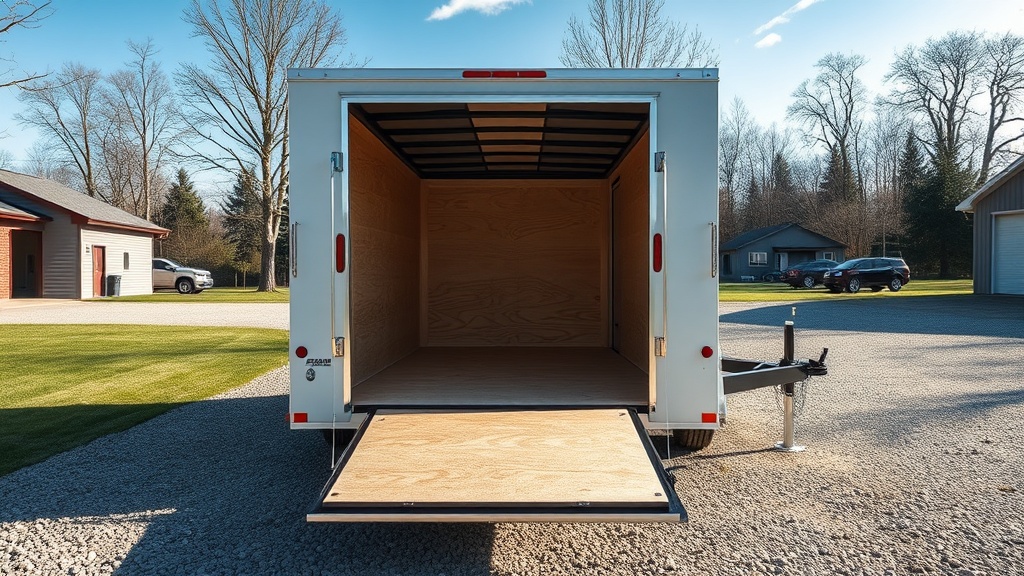
If you own a Pennsylvania Cargo 6×12 trailer, you know its plywood floor is built to take a beating. Over time, however, moisture, dirt, and heavy equipment like sanders or floor buffers can wear down the surface. Sanding and refinishing isn’t just about looks—it’s about protecting the structural integrity of the floor. A deteriorated floor can lead to rot, sagging, and even a complete structural failure under your cargo.
The good news is that with the right approach, you can restore your trailer floor to like-new condition. This guide walks through troubleshooting common floor issues, the sanding process, and refinishing techniques specific to the Pennsylvania Cargo 6×12 model.
Before you begin, consider consulting our Pennsylvania Cargo 6×12 Weather Sealing Upgrade: Keep Moisture Out guide, as sealing gaps around the floor edges is a critical first step before sanding.
What Are the Common Floor Problems on a Pennsylvania Cargo 6×12?
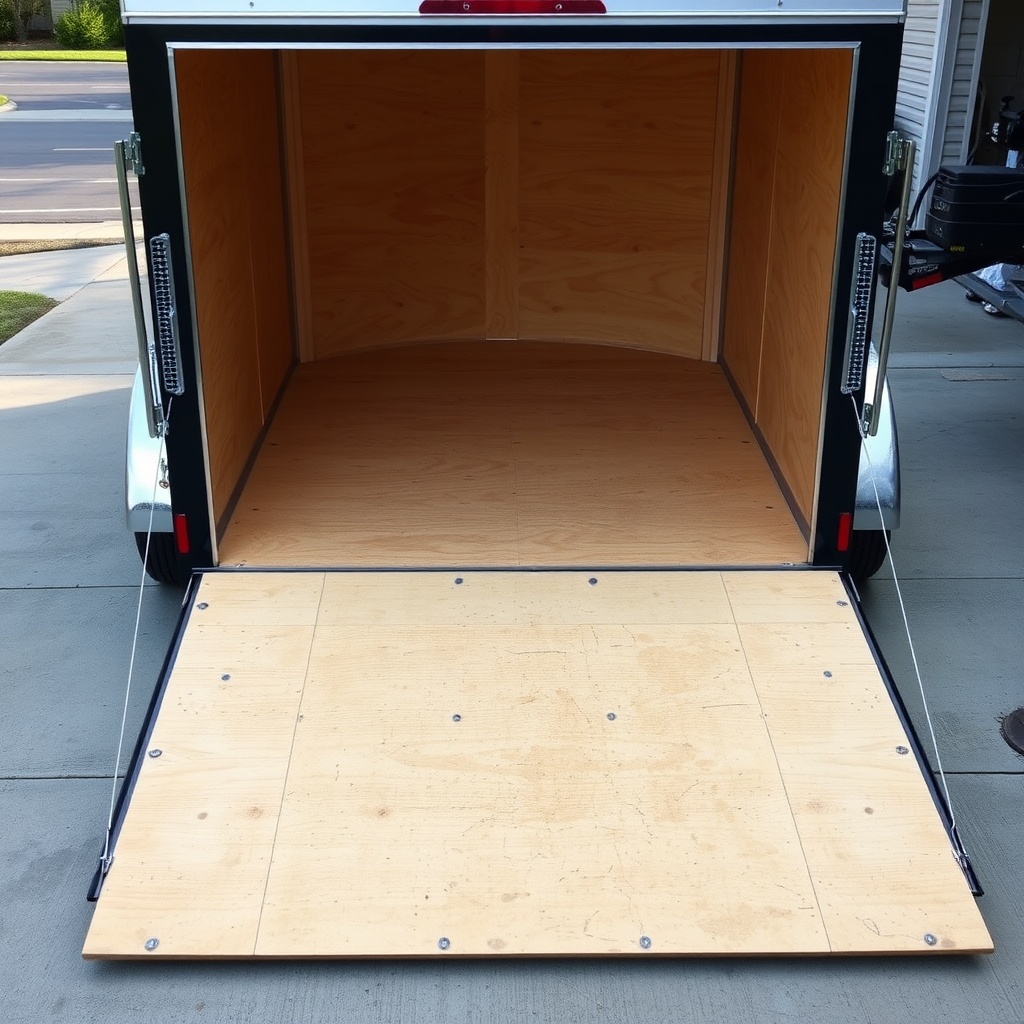
The most frequent issues owners encounter fall into three categories: surface wear, water damage, and delamination. Surface wear appears as scuffs, scratches, and rough patches from loading equipment. Water damage shows as dark stains, soft spots, or mildew odor. Delamination occurs when the plywood layers separate due to moisture seeping in from the bottom or edges.
Check for soft spots by pressing down with a screwdriver or your foot. If you can feel the wood give way, you likely have rot. Delamination often creates bubbles or raised areas on the surface. A simple test is to pour a small amount of water on the floor—if it beads up, your seal is still decent; if it soaks in immediately, you need refinishing.
Also inspect the ramp area. The ramp hinge edge is a common entry point for moisture. Tighten any loose ramp mounting bolts and check the ramp seal condition as part of your prep.
How Do I Prepare the Trailer Interior for Floor Sanding?
Proper preparation is essential. Start by completely emptying the trailer. Remove all cargo, tie-downs, E-track, and any floor-mounted accessories. If you have a winch mount system, refer to our Pennsylvania Cargo 6×12 Winch Mount Installation: Secure Motorcycle Loading guide for removal instructions to avoid damaging the mount.
Next, sweep and vacuum the floor thoroughly. Use a shop vacuum to get into corners and along the wall seams. If there’s oil or grease, scrub with a degreaser and stiff brush. Allow the floor to dry completely—at least 24 hours in low humidity, longer if moisture is trapped.
Mask off any interior walls, wiring, and lights with painter’s tape and plastic sheeting. Sanding dust will get everywhere, so covering your interior panels and any installed accessories is critical. Consider removing or covering your interior LED lighting; for wiring upgrade tips, see our Pennsylvania Cargo 6×12 Wiring Upgrade: LED Lighting Installation Guide.
What Sanding Equipment and Grit Sequence Should I Use?
For a Pennsylvania Cargo 6×12 trailer floor, you’ll need heavy-duty sanding equipment. A drum sander is ideal for leveling, but a random orbital sander can work if you’re careful. Rent a floor sander from a local tool rental—expect to pay around $60–$80 per day for a drum sander plus an optional edger for corners.
| Grit Sequence | Purpose | Recommended Grit |
|---|---|---|
| First pass | Remove old finish and level damage | 36–40 grit |
| Second pass | Smooth scratches from first pass | 60–80 grit |
| Third pass | Final smooth surface before refinishing | 100–120 grit |
Start with 36-grit to strip the old coating and level any raised grain or deep scratches. Work in the direction of the wood grain if possible. Avoid leaving the sander in one spot to prevent gouging. After the first pass, vacuum all dust and inspect for remaining damage. Repeat with 60-grit, then finish with 100-grit. For edges and corners, use an edger with the same grit progression.
Always wear a respirator and eye protection—plywood dust can be highly irritating and may contain formaldehyde from the glue.
What’s the Best Refinishing Product for This Trailer Floor?
For a Pennsylvania Cargo 6×12 floor, you need a durable, moisture-resistant coating. The industry standard for trailer floors is a two-part polyurethane floor coating or a marine-grade spar varnish. Single-component water-based polyurethanes may not withstand heavy equipment. A high-quality oil-based polyurethane costs around $50–$70 per gallon and covers roughly 400–500 square feet per coat.
Apply the first coat with a roller or wide brush. Allow it to dry per manufacturer instructions—typically 4–6 hours for oil-based products. Lightly sand with 220-grit paper after each coat to remove dust nibs. Apply a minimum of two coats, three for high-traffic areas. Allow the final coat to cure for 48–72 hours before loading the trailer.
Consider adding a non-slip additive to the final coat if you frequently load motorcycles or ATVs—this can be mixed into the finish at a ratio of about 1 cup of additive per quart of coating. Remember to check our Pennsylvania Cargo 6×12 Interior Wiring Upgrade: Step-by-Step Guide for tips on protecting any wiring under the floorboards during refinishing.

How Do I Fix Deep Scratches and Gouges Before Sanding?
If your floor has gouges deeper than 1/8 inch, you can’t just sand them out. You’ll need to fill them with a floor-leveling compound or a wood filler designed for exterior use. For small gouges, use a two-part epoxy wood filler—cost is around $15–$25 for a small tub. Mix according to instructions and apply with a putty knife, overfilling slightly. Sand flush with 60-grit after the epoxy cures (usually 24 hours).
For larger damaged areas, like rotted sections near the ramp, you may need to cut out and replace the plywood panel. Use a circular saw set to the plywood thickness (typically 3/4 inch for Pennsylvania Cargo). Cut back to the nearest cross member for structural support. Screw in a new piece of treated plywood with exterior-grade screws. Seal the replacement edges with silicone caulk before refinishing.
Check for any signs of rot in the subfloor support beams. If you find rot, repair before refinishing—a new floor won’t fix a failing frame.
What Do Owners Say About the Pennsylvania Cargo 6×12 Floor?
Many owners praise the trailer’s 3/4-inch plywood floor for its strength and ability to handle a 2,000-pound payload capacity. However, several report that the factory-applied sealant is thin and fails after one season, especially in humid climates like the Northeast. Users who immediately apply a marine-grade polyurethane topcoat after purchase see significantly longer floor life.
A common tip from owners is to install a rubber floor mat if you routinely haul wet equipment. The mat adds a layer of traction and reduces direct water exposure. A few owners also recommend drilling small weep holes near the front wall to allow trapped moisture to escape—though this isn’t recommended by the manufacturer. Always check your warranty before modifying the floor.
One owner in Pennsylvania reported that after sanding and applying three coats of spar varnish, the floor held up to three years of weekly motorcycle loading with no visible wear. Another noted that using a floor sander without dust extraction led to a mess that required wiping walls and ceiling with a damp cloth.
For optimal airflow to reduce condensation after refinishing, consider installing roof vents—see our Pennsylvania Cargo 6×12 Roof Vents Installation: Improve Airflow and Reduce Condensation guide.
Frequently Asked Questions
Can I pressure wash the Pennsylvania Cargo 6×12 floor before sanding?
Yes, but only if you allow 48–72 hours of drying time. Pressure washing forces water into plywood layers, which can cause expansion and delamination if not dried completely. Use a low-pressure nozzle (1,500 PSI or less) and avoid the wall seams.
Do I need to remove the ramp for floor refinishing?
Not necessarily. You can sand around it, but you’ll get a better result if you remove the ramp hinges and set the ramp aside. This gives you access to the ramp hinge area where water often collects. Removing the ramp requires two people and a place to store it safely.
What’s the cost to sand and refinish a Pennsylvania Cargo 6×12 floor?
DIY cost is about $120–$200, including sander rental ($60–$80), sandpaper ($20–$30), finish ($50–$70), and consumables like tape and plastic ($10–$20). Hiring a professional costs $400–$700 depending on your region.
How often should I refinish the floor?
Most owners refinish every 2–3 years if the trailer is used weekly. Annual inspection is recommended—if you see bare wood or the finish appears dull and worn, it’s time to sand and reseal.
Can I paint the floor instead of using a clear finish?
Yes, but avoid regular wall paint. Use a high-traffic epoxy floor paint or a urethane-based floor coating. Clear coatings tend to show wear less and allow you to see any stains or damage. Paint can peel and requires more frequent touch-ups.
How do I match the factory wood color if I replace a section?
The factory uses a common 3/4-inch BCX or ACX plywood with a light stain. You can purchase similar plywood at a lumber yard for about $40–$60 per 4×8 sheet. Stain the replacement with a light oak or natural stain before applying the same topcoat as the rest of the floor.