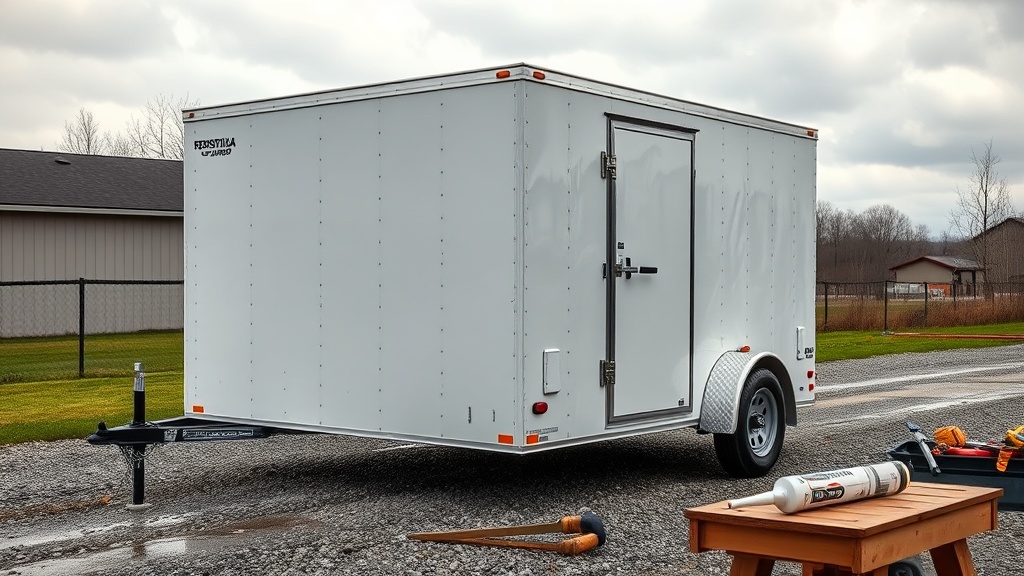
Pennsylvania Cargo 6×12 Weather Sealing Upgrade: Keep Moisture Out
Moisture intrusion is one of the most persistent issues facing owners of the Pennsylvania Cargo 6×12 trailer, particularly when used for hauling gear, motorcycles, or sensitive cargo in humid or rainy climates. The factory weather seals, while adequate for initial use, often degrade or fail to provide a complete barrier against water, leading to interior damage and accelerated rust. This upgrade guide focuses on identifying weak points and implementing effective sealing solutions to keep your trailer dry.
Why Does the Pennsylvania Cargo 6×12 Leak at the Roof Seam?
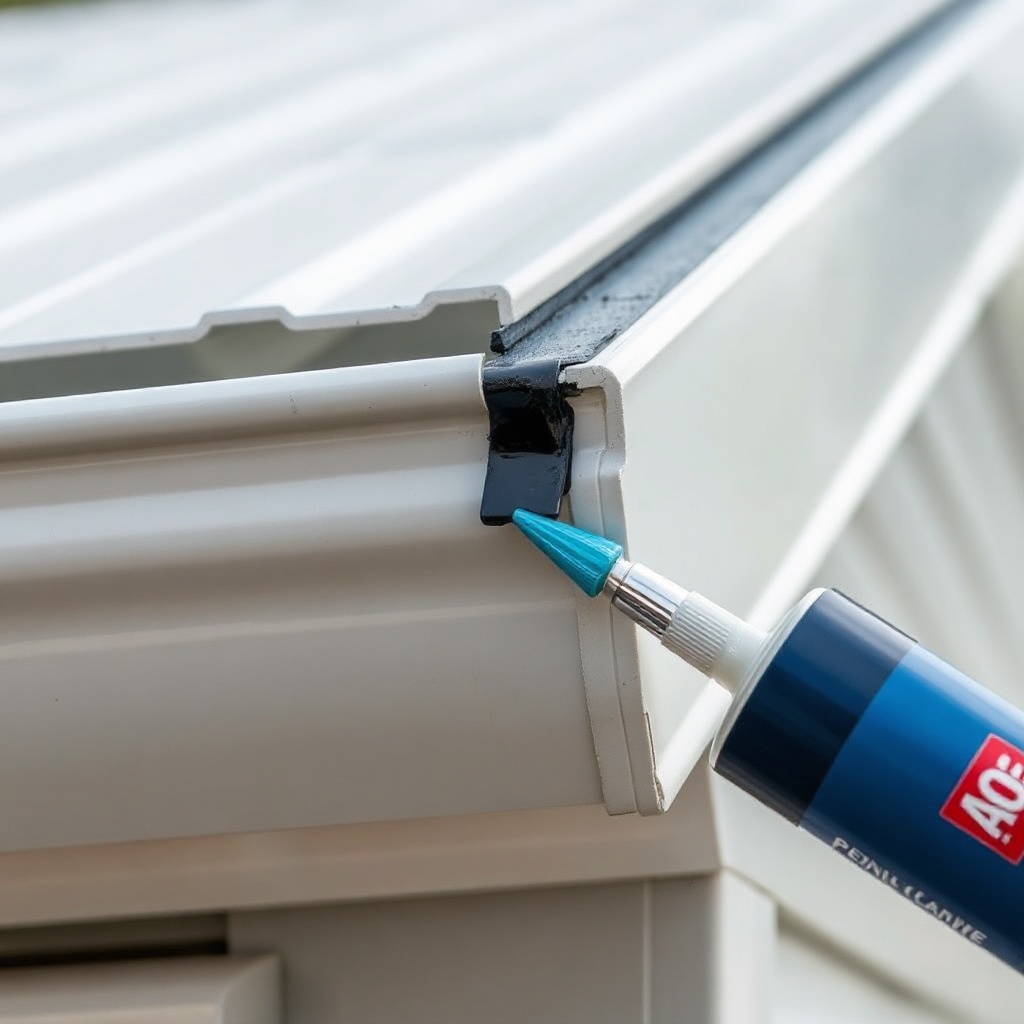
The roof-to-wall seam on many Pennsylvania Cargo 6×12 units is a common leak point, especially after the trailer has been exposed to seasonal temperature swings. Factory-applied butyl tape or silicone can shrink or crack, allowing water to weep in along the edge. Re-sealing this seam with a high-quality marine-grade sealant, such as Dicor self-leveling lap sealant, provides a durable solution. Start by cleaning the area with isopropyl alcohol, then apply new sealant in a continuous bead, pressing it into the gap with a wet finger for even coverage. For trailers with an aluminum roof, consider adding a secondary barrier with Eternabond tape over the seam after sealant cures.
Check also the rear roof corners where the roof meets the ramp door frame; this area often collects water during rain and can wick into the interior if the corner caps are not properly sealed. Apply a non-leveling polyurethane sealant to the corner joints and smooth it to prevent water dams. A 10-ounce tube of quality sealant costs around $12 to $18 USD, making this a low-cost but high-impact fix.
Which Door Gaskets Should I Replace on a Pennsylvania Cargo 6×12?
The main rear ramp door and side man door rely on rubber bulb gaskets that compress against the frame to create a weather seal. Over time, these gaskets lose elasticity or become torn from frequent use. For the ramp door, use a universal 1-inch D-shaped gasket with a self-adhesive backing, which costs about $25 to $35 USD per 20-foot roll. Remove the old gasket completely, clean the metal channel with adhesive remover, then press the new gasket firmly into place starting at a top corner. Pay special attention to the bottom edge of the ramp door where water can splash up; some owners install a secondary vinyl sweep at the bottom edge for extra protection.
For the side man door, use a thinner bulb gasket (approximately 5/8 inch) that matches the original profile. Replace the seal around the door frame, not the door itself, to maintain proper compression. A set of two 10-foot strips costs around $12 to $18 USD. Replacing both door gaskets typically takes about two hours and dramatically reduces dust and water entry while towing. For more on maintaining structural integrity, see our Pennsylvania Cargo 6×12 Frame Welding Review: Strength and Durability.
How Do I Seal the Ventilation Gaps on a Pennsylvania Cargo 6×12?
Many owners overlook the small gaps around ventilation louvers, running lights, and exterior marker lights. These components often have foam gaskets that shrink or compress, creating a path for moisture. Remove each light fixture, clean the mounting surface, and apply a thin bead of non-silicone dielectric gel around the gasket, then reinstall tightly. For the standard equipped roof vent, upgrade the factory foam gasket to a closed-cell foam tape that is 1/2 inch wide and 1/4 inch thick (around $8 USD per roll). Close the vent firmly to ensure compression. If your trailer has side exhaust vents (common in cargo models), install a louver seal kit designed for RV vents—these are typically $15 to $20 USD and include adhesive-backed foam strips that cut to size. This attention to detail prevents moisture from entering during high-pressure driving conditions or when parked in heavy rain.
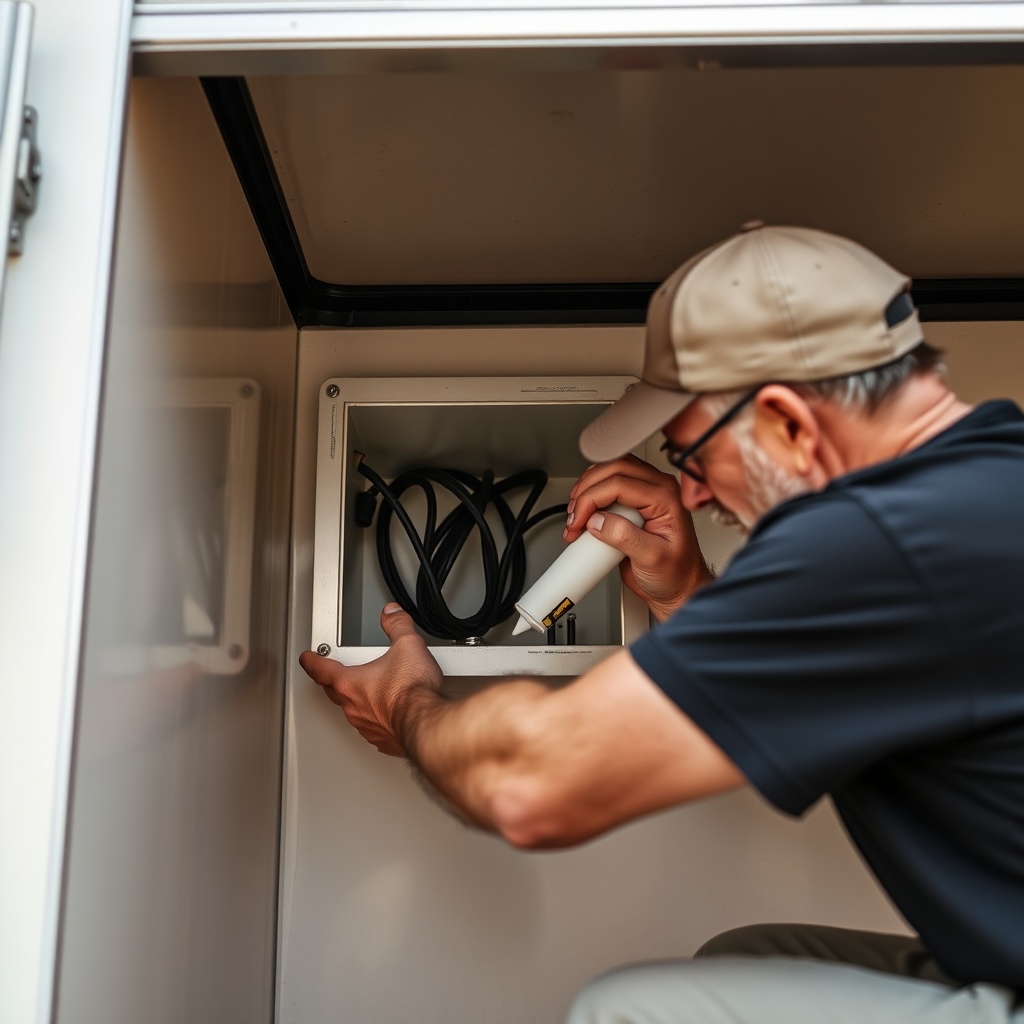
Another often missed spot is the junction box where the trailer wiring enters the frame. Fill this cavity with a removable silicone-based putty or use a cable entry seal gland. Water that seeps into the junction box can corrode wiring connections and eventually work its way inside the trailer along wire runs. A simple tube of cable sealant putty costs less than $10 USD and can be pressed into the box after cleaning. For additional interior care, refer to the Pennsylvania Cargo 6×12 Floor Rust Prevention and Care article to protect your floor from moisture exposure.
What Is the Best Approach for Sealing the Cargo Floor Seam?
The cargo floor in the Pennsylvania Cargo 6×12—typically plywood or a composite deck—sits on a steel frame, and the gap between the floor edge and the side wall is a prime entry point for water. When moisture seeps in, it can cause floor rot and frame rust. Start by removing the interior wall panel lower trim (if installed) to expose the seam. Use a utility knife to clean out old caulk or debris. Apply a polyurethane-based seam sealer that remains flexible, such as Geocel ProFlex RV Flexible Sealant, which is non-sag and paintable. Run a continuous bead along the entire floor perimeter, then tool it with a plastic spreader to ensure 100% contact. Allow 24 hours to cure before loading cargo.
For trailers with wood floors, also apply a thin coat of exterior-grade wood sealant on the edges of the plywood before reinstalling trim. This adds a second barrier. A 10-ounce tube of seam sealer costs about $9 to $14 USD, and a quart of wood sealer around $18 USD. Owners who regularly haul motorcycles often add a rubber floor mat to further protect the floor—read the Pennsylvania Cargo 6×12 Interior Customization for Motorcycle Hauling for more details on floor protection and tie-down systems.
How Can I Seal the Frame to Body Joints of My Pennsylvania Cargo 6×12?
Along the bottom rail where the aluminum or steel skin meets the trailer frame, there are often narrow gaps left during manufacturing. These seams are vulnerable to water spray from the road surface. Use a self-leveling Lap Sealant specifically for RV roofs, but apply it to the bottom edge after thoroughly cleaning the area with acetone. Work in sections and use a putty knife to push sealant into the gap. For extra durability, cover the seam with 2-inch wide Eternabond tape (about $22 USD for a 10-foot roll) to create a waterproof membrane. Avoid using silicone sealants on the frame, as they attract dirt and peel in cold weather. This seal protects the lower framing and helps prevent rust from starting at the base.
Pay attention to the rear frame rail where the ramp door hinges attach—these bolts can leak water into the frame cavity if the heads are not sealed. Remove each hinge bolt one at a time, apply a small dab of sealant around the threads, then reinstall. This is a tedious but crucial step. A 6-pack of 3/8-inch rubber sealing washers ($8 USD) can also be added under bolt heads for a positive seal. For a deeper look at ramp door hardware, see our Pennsylvania Cargo 6×12 Ramp Door Hinge Replacement Guide.
| Problem Area | Recommended Sealant/Product | Estimated Cost (USD) | Severity Level |
|---|---|---|---|
| Roof seam | Dicor self-leveling lap sealant | $12–$18 per tube | High |
| Ramp door gasket | 1″ D-shaped self-adhesive gasket | $25–$35 per 20 ft | High |
| Side man door gasket | 5/8″ bulb gasket | $12–$18 per set | Medium |
| Ventilation louvers | Closed-cell foam tape | $8 per roll | Medium |
| Floor seam | Polyurethane seam sealer | $9–$14 per tube | High |
| Frame-to-body joint | Lap sealant + Eternabond tape | $22 per 10 ft | High |
Pennsylvania Cargo 6×12 Weather Sealing: What Owners Report
Many owners of the Pennsylvania Cargo 6×12 who have invested in comprehensive weather sealing report a significant reduction in interior humidity and water stains. On online forums, experienced owners note that the rear ramp door gasket is often the first to fail, so proactively replacing it after two years is common. Others remark that upgrading the roof seam sealant eliminates the musty odor that sometimes develops inside the trailer after long storage. A few owners add a dehumidifier inside the trailer during winter, which works best after sealing is completed. The consensus is that the initial cost of materials—typically under $100 USD for a full sealing project—is far less than repairing rust or replacing a rotted floor. For additional mechanical readiness, check out the Pennsylvania Cargo 6×12 Brake System Upgrade: From Electric to Hydraulic guide.
Frequently Asked Questions
1. How often should I inspect the weather seals on my Pennsylvania Cargo 6×12?
Inspect all seals at least twice a year—before winter storage and before heavy spring use. Look for cracks, gaps, or peeled edges. Pay extra attention after towing through extreme heat or cold, as materials expand and contract.
2. Can I use silicone caulk to seal my Pennsylvania Cargo 6×12 roof?
Silicone is not recommended for roof or metal-to-metal seams because it does not adhere well to aluminum and peels under UV exposure. Use a self-leveling RV lap sealant or polyurethane-based product instead for better longevity and adhesion.
3. What is the best way to dry out the interior after moisture gets in?
If water has entered, immediately use a wet/dry vacuum to remove standing moisture. Place desiccant bags (like DampRid) or a small electric dehumidifier inside during storage. Air out the trailer by opening all doors on a dry, breezy day for 24 hours. Check for hidden moisture behind wall panels.
4. Do I need to seal both the inside and outside of the Pennsylvania Cargo 6×12?
Focus on the exterior seams first, as they prevent water entry. For floors, sealing the interior seam adds protection. On the upper roof corners and wiring entries, exterior sealing is sufficient. For internal wiring boxes, a smear of sealant inside is helpful but not always necessary.
5. Can I paint over the new sealant on my Pennsylvania Cargo 6×12?
Most self-leveling lap sealants and polyurethane sealants are paintable after a full cure (usually 48 hours). Use a high-quality exterior acrylic latex paint. Eternabond tape does not require paint but can be painted for aesthetic matching. Always test a small area first.
6. What are the common seal failure signs on a Pennsylvania Cargo 6×12?
Look for water stains on the interior ceiling or walls, rust along the floor perimeter, a musty smell, or visible gaps around doors and roof seams. If you see algae or moss growing on exterior seams, that indicates prolonged moisture exposure and seal failure. Address these immediately to prevent structural damage.
For safe towing after sealing, also review the Pennsylvania Cargo 6×12 Tire Pressure and Load Rating Guide to ensure your trailer is balanced and ready for the road.