Introduction
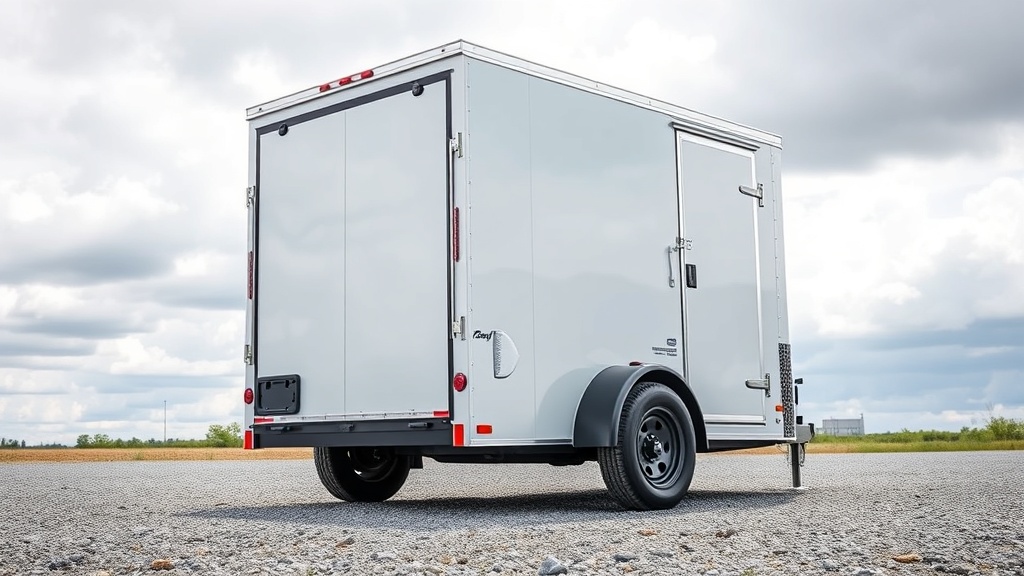
When you’re hauling a loaded Pennsylvania Cargo 6×12 trailer, nothing matters more than safety and weight distribution. Getting the tire pressure and load rating right means the difference between a smooth, secure trip and a dangerous blowout. This guide covers everything you need to know—from recommended PSI to load limits—so you can keep your trailer performing at its best on Pennsylvania roads and beyond.
What Is the Recommended Tire Pressure for a Pennsylvania Cargo 6×12 Trailer?
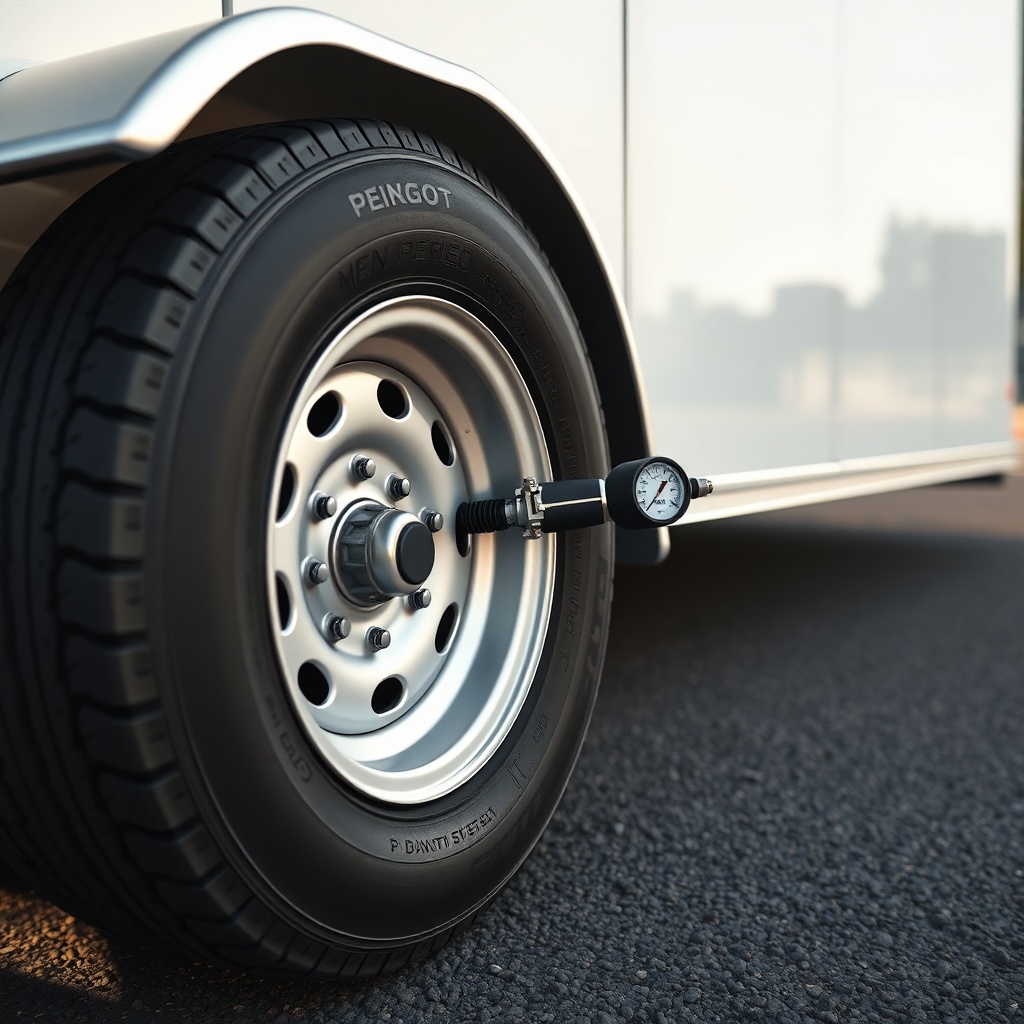
For the standard Pennsylvania Cargo 6×12 trailer equipped with ST205/75R15 tires, the manufacturer’s recommended cold tire pressure is 50 PSI (pounds per square inch) for both single and dual-axle configurations. This pressure supports the weight rating of 1,760 pounds per tire at 50 PSI. Always check pressure when tires are cold—meaning the trailer has been parked for at least three hours—to get an accurate reading. Under-inflation can cause excessive heat buildup, while over-inflation reduces traction and increases wear. Use a quality digital gauge to verify pressure monthly and before long trips.
How Do I Determine the Correct Load Rating for My Trailer’s Tires?
Every Pennsylvania Cargo 6×12 trailer comes with a Vehicle Certification Label located on the front left side of the trailer frame. This label lists the Gross Vehicle Weight Rating (GVWR) and the Gross Axle Weight Rating (GAWR). For a standard single-axle model, the GVWR is typically 3,500 pounds, with a GAWR of 3,500 pounds. Dual-axle versions have a GVWR of 7,000 pounds, split as 3,500 pounds per axle.
Your tires’ load range—usually marked as load range C (6-ply) or D (8-ply) on the sidewall—determines their maximum capacity. For load range C tires, the max load at 50 PSI is 1,760 pounds per tire. For load range D, it’s 2,200 pounds at 65 PSI. Always match tire load capacity to the axle rating. A mismatch can lead to premature wear or catastrophic failure. For a deeper look at structural integrity, read our Pennsylvania Cargo 6×12 Frame Welding Review: Strength and Durability.
Quick Tire Pressure and Load Reference
| Tire Size | Load Range | Max Load Per Tire (lbs) | Recommended PSI (Cold) |
|---|---|---|---|
| ST205/75R15 | C (6-ply) | 1,760 | 50 |
| ST205/75R15 | D (8-ply) | 2,200 | 65 |
| ST225/75R15 | D (8-ply) | 2,540 | 65 |
Always verify the specific tire model on your trailer—some owners upgrade to load range D for heavier cargo like motorcycles or equipment. Consult your owner’s manual for exact figures.
What Are the Signs of Incorrect Tire Pressure on a Pennsylvania Cargo 6×12?
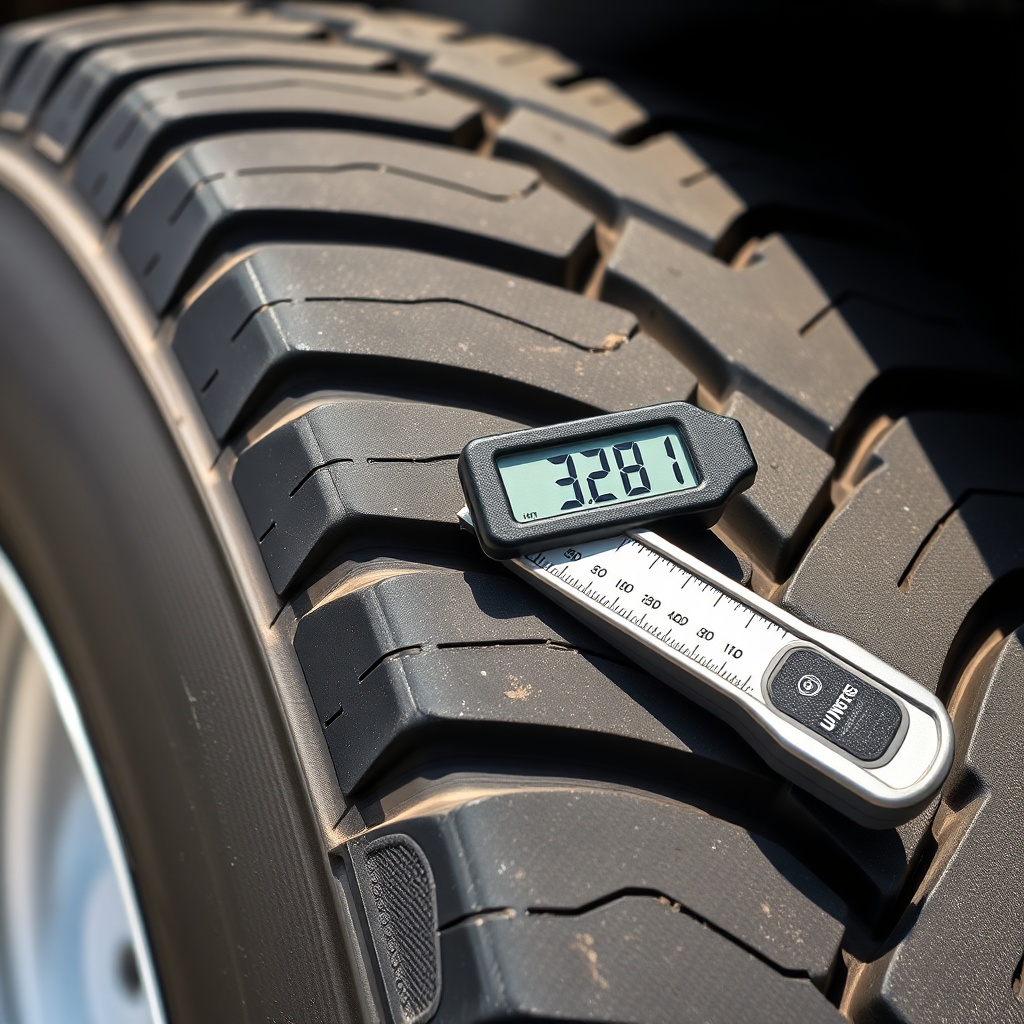
Driving with improperly inflated tires can affect handling, fuel economy, and safety. Common signs of under-inflation include excessive sidewall flex, increased rolling resistance, and a feeling of sway or wobble when towing at highway speeds. Over-inflated tires often result in a harsh ride, reduced contact patch, and accelerated center tread wear. Check tread depth across all grooves using a tread depth gauge—if inner or outer edges show more wear than the center, it’s likely an inflation issue.
For trailers used in motorcycle hauling, weight distribution shifts can also affect tire pressure. Visit our guide on Pennsylvania Cargo 6×12 Interior Customization for Motorcycle Hauling for tips on balancing loads. Uneven tire wear may also indicate axle misalignment or worn bearings, so inspect suspension components annually.
How Does Load Affect Tire Pressure and Safety on This Trailer?
Every 100 pounds of cargo changes the load on each tire. Pennsylvania Cargo 6×12 trailers have a typical payload capacity of 1,200 to 1,500 pounds for single-axle models (after subtracting curb weight). The weight distribution must not exceed the GAWR. For dual-axle configurations, the total payload can reach 4,000 pounds or more. Always weigh your loaded trailer at a certified scale—available at most truck stops—to confirm axle weights.
If you’re running close to max gross weight, increase tire pressure to the recommended maximum (50 PSI for load range C, 65 PSI for D) and reduce speed to avoid overheating. Overload conditions can cause sidewall bulging, tread separation, and blowouts. For owners upgrading braking systems to handle heavier loads, check our Pennsylvania Cargo 6×12 Brake System Upgrade: From Electric to Hydraulic article. Never exceed the tire’s maximum inflation pressure embossed on the sidewall, even if the load seems managed.
How Often Should I Inspect and Maintain Tires on My Pennsylvania Cargo 6×12?
Tire maintenance isn’t a one-time task. Perform a visual inspection before each trip: look for cracks, bulges, or nails in the tread. Check wheel lug nut torque (typically 90–110 ft-lbs) after the first 50 miles of travel and then yearly. Rotate tires every 5,000 miles or once per season to promote even wear. For trailers stored for winter, park on a hard, level surface and inflate tires to 65 PSI to prevent flat spots. Store in a dry, covered area if possible.
If you live in a region with salt-treated roads, check for rust on metal wheel rims and around valve stems—corrosion can cause slow leaks. For floor and frame care, see our article on Pennsylvania Cargo 6×12 Floor Rust Prevention and Care. Replace tires every five to six years, regardless of tread depth, due to UV degradation and heat cycles. Keep a spare tire mounted on a suitable rim, matching the load rating of your other tires.
What Owners Say About Pennsylvania Cargo 6×12 Tire Pressures
Owners on forums like RV.net and TrailerLife consistently emphasize checking pressure before every trip—even short hauls. Many report that the factory load range C tires are adequate for basic use, but those hauling motorcycles or heavy equipment often upgrade to load range D for added margin. Some note that the recommended 50 PSI feels low when fully loaded, leading them to bump up to 55-60 PSI on hot days.
One common complaint is that the sidewall markings can be hard to read after a few years of UV exposure—so owners recommend labeling the valve caps with the correct PSI. Others highlight that off-balance loading (like a concentrated weight on one side) can cause one tire to carry more load than the other, leading to uneven wear. For ramp door concerns, read Pennsylvania Cargo 6×12 Ramp Door Hinge Replacement Guide. Overall, disciplined owners report tire life of 20,000 to 30,000 miles with diligent pressure checks.
Frequently Asked Questions
What is the maximum weight I can haul in a Pennsylvania Cargo 6×12 trailer?
Payload capacity varies by model. A single-axle 6×12 typically handles 1,200–1,500 pounds of cargo after accounting for the trailer’s curb weight (about 1,800–2,200 pounds). Dual-axle versions support up to 4,000 pounds of payload. Always check your specific label.
Can I use passenger car tires on my Pennsylvania Cargo 6×12?
No. Trailer tires (ST) are built with stronger sidewalls and deeper tread than passenger car tires. Using passenger tires risks blowout due to different load ratings and heat dissipation. Stick with ST-rated tires.
How do I know if my trailer tires are too old?
Look at the DOT code on the sidewall—the last four digits indicate the week and year of manufacture (e.g., 2022 means the 20th week of 2022). Replace tires after six years, even if tread looks good. Cracks in the sidewall are a red flag.
What happens if I overload my Pennsylvania Cargo 6×12 trailer?
Overloading can exceed the GAWR, causing overheating, tire blowout, bent axles, and brake failure. It’s illegal in most states and voids the trailer warranty. Always weigh your loaded rig and keep total weight below GVWR.
Should I use nitrogen instead of air in trailer tires?
While nitrogen is beneficial in reducing pressure loss due to temperature swings, it’s not necessary. Regular compressed air works fine if you check pressure monthly. Nitrogen is more stable but comes with a higher cost.
How do I adjust tire pressure for cold weather?
For every 10°F drop in temperature, tire pressure decreases by about 1 PSI. In winter, add 2–3 PSI above the cold rating to compensate. Never exceed the maximum psi listed on the tire sidewall.