Why Upgrade the Pennsylvania Cargo 6×12 Brake System from Electric to Hydraulic?
Owners of the Pennsylvania Cargo 6×12 trailer often encounter one significant pain point: the standard electric brake system’s reliability in wet, salty, or off-road conditions. While the factory-installed electric brakes are adequate for light-duty hauling, many owners report inconsistent braking response, especially when towing heavy loads exceeding 5,000 pounds. A hydraulic brake upgrade addresses these issues by providing smoother, more consistent stopping power, eliminating the voltage-drop sensitivity that plagues electric brakes, and reducing maintenance intervals. This article dissects the conversion process, common pitfalls, and real-world performance gains for the Pennsylvania Cargo 6×12.
What Are the Key Differences Between Electric and Hydraulic Brakes on a Pennsylvania Cargo 6×12?
Before diving into the upgrade, understanding the mechanical and operational distinctions is critical. The table below outlines the primary differences you’ll encounter when converting your Pennsylvania Cargo 6×12.
| Brake Type | Actuation Method | Maintenance Frequency | Typical Cost (Parts+Labor) | Braking Consistency |
|---|---|---|---|---|
| Electric (Standard) | Electromagnetic drum magnet | Annual adjustment | $0 (stock) to $150 for replacement parts | Good in dry conditions; poor when wet or heavily loaded |
| Hydraulic (Upgraded) | Hydraulic actuator with electric pump | Biannual fluid flush | $1,200 – $1,800 (complete kit + installation) | Excellent in all conditions; load-sensing proportional response |
| Surge Hydraulic | Tongue-mounted master cylinder | Annual fluid check | $800 – $1,200 | Good for boat trailers; less precise with higher tongue weights |
How Do You Identify the Correct Hydraulic Brake Kit for a Pennsylvania Cargo 6×12?
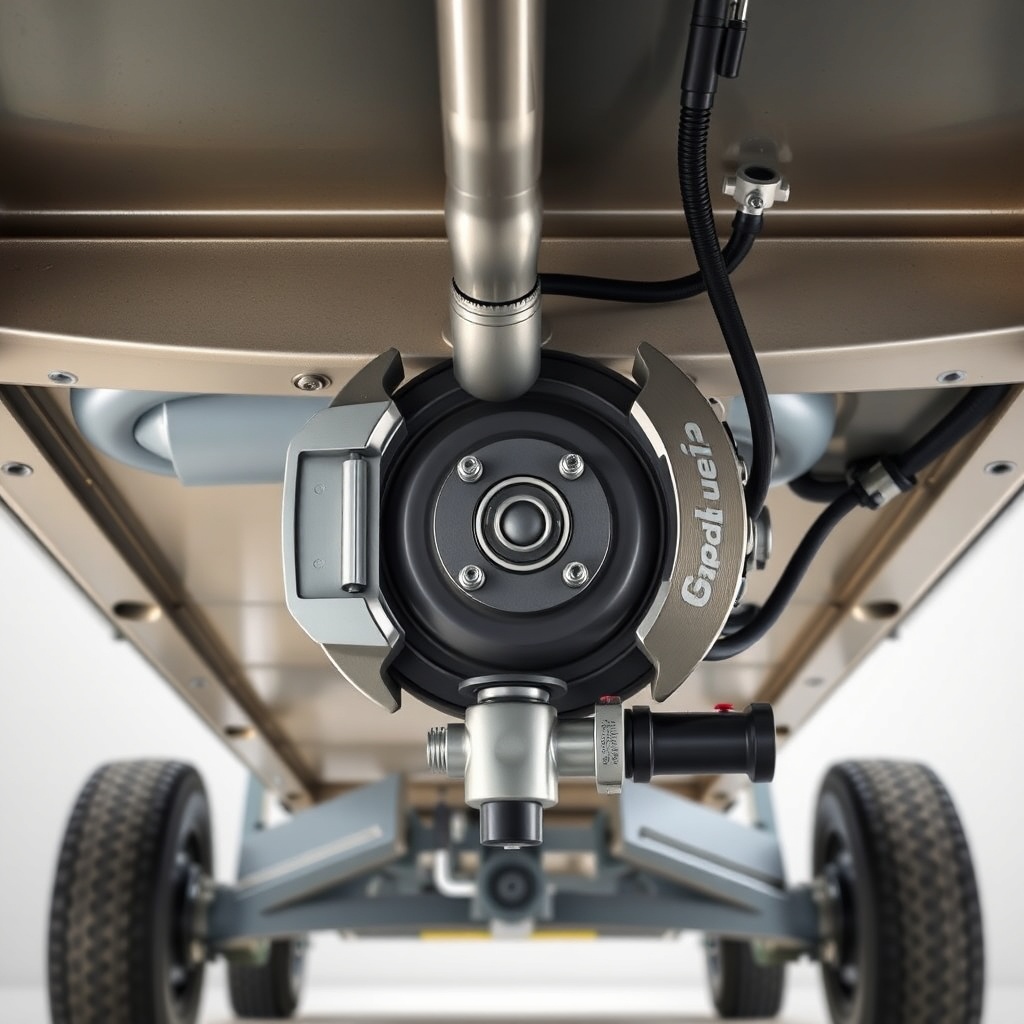
The Pennsylvania Cargo 6×12 typically ships with a 5,200-pound GVWR capacity and 3,500-pound axles. When selecting a hydraulic brake kit, you must match the axle diameter (usually 2-inch round tube) and the hub bolt pattern (5 on 4.5-inch or 5 on 5-inch). Most owners opt for a complete interior customization for motorcycle hauling package that includes weight-distribution hitching, but the brake kit should be chosen based on your specific towing vehicle. For a 2024 Pennsylvania Cargo 6×12, the most common upgrade is a Kodiak or Titan hydraulic disc brake kit with a self-contained electric-hydraulic actuator (such as the Titan Model 85HL). This kit replaces the entire backing plate assembly and requires welding new caliper brackets to the axle flanges. Always confirm the actuator output range (typically 1,500 to 3,500 psi) matches the brake calipers’ specifications.
What Are the Step-by-Step Installation Steps for the Electric-to-Hydraulic Conversion?
Performing this upgrade on a Pennsylvania Cargo 6×12 demands mechanical proficiency and safety precautions. Here is a structured breakdown of the process:
- Step 1: Safety Isolation – Disconnect the trailer from the tow vehicle and chock all wheels. Remove the wheels and hubs to access the existing electric brake assemblies.
- Step 2: Remove Old Components – Unbolt the electric brake magnets, backing plates, and associated wiring harness. Save the hubs and bearings if they are in good condition.
- Step 3: Install Brake Brackets – Weld new hydraulic caliper mounting brackets to the axle flanges. Use a plasma or acetylene torch for clean cuts; ensure the brackets are parallel to the rotor surface.
- Step 4: Mount Rotors and Calipers – Slide new vented rotors onto the hubs, then bolt the calipers to the brackets. Install new wheel bearings and seals.
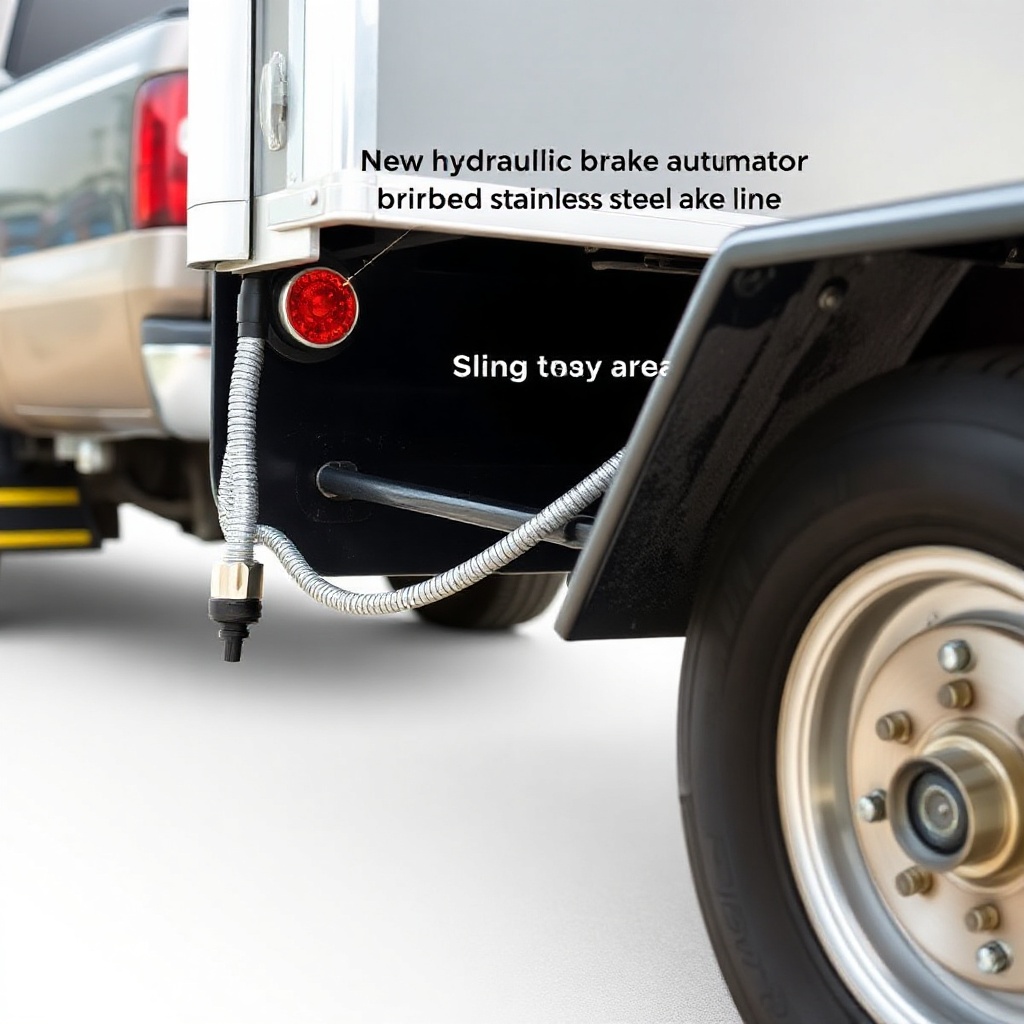
- Step 5: Route Hydraulic Lines – Use 3/16-inch steel or stainless steel brake lines along the trailer frame. Secure with clamps every 12 inches to prevent chafing.
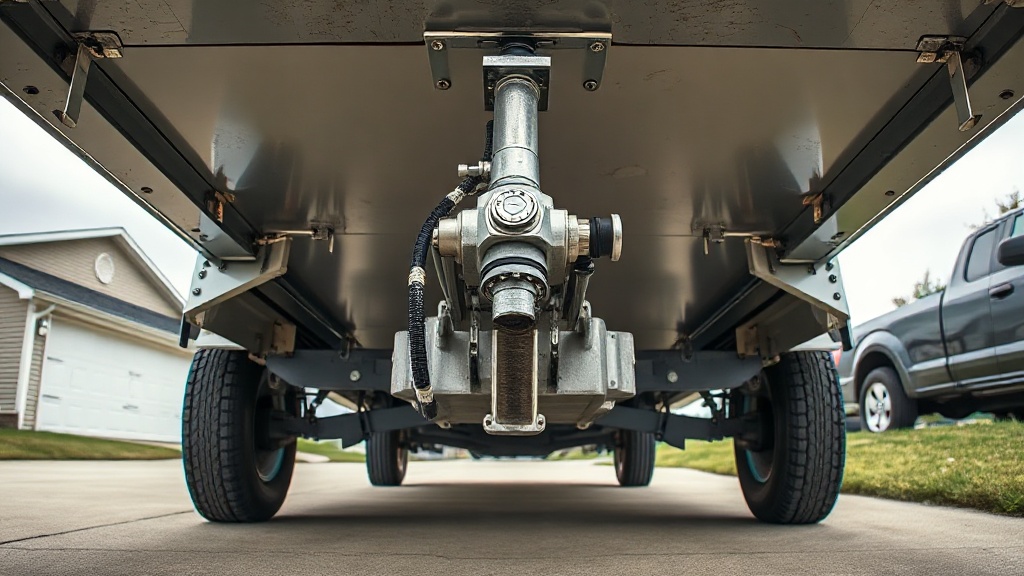
- Step 6: Install the Actuator – Mount the electric-hydraulic actuator near the trailer tongue. Wire it to the 7-pin connector (battery line for pump power) and connect hydraulic lines to the actuator.
- Step 7: Bleed the System – Use DOT 3 or DOT 4 brake fluid. Start at the farthest caliper (driver side rear) and work forward. A pressure bleeder is recommended for single-person operation.
- Step 8: Test Functionality – Reconnect the trailer, adjust the actuator gain control to match your truck’s brake controller, and perform a low-speed test in an empty lot.
A common pitfall during installation is under-torquing the caliper bolts. Refer to the Pennsylvania Cargo 6×12 Frame Welding Review: Strength and Durability for guidance on weld integrity on the torsion axle tube. Weak welds can cause caliper misalignment and premature pad wear.
How Does the Hydraulic Upgrade Affect the Trailer’s Balance and Tongue Weight?
One concern owners raise is whether swapping to hydraulic brakes changes the trailer’s towing dynamics. The Pennsylvania Cargo 6×12 typically has a tongue weight range of 400 to 600 pounds when loaded to its full 5,200-pound GVWR. Hydraulic actuators add approximately 15 to 25 pounds to the tongue, which is negligible for most half-ton trucks. However, if you are towing near the limit of your vehicle’s payload, this extra weight could push you over. Additionally, the actuator’s electric pump draws power from the tow vehicle’s 12-volt supply, so ensure your truck has a dedicated battery charge line (often the blue wire in a 7-pin connector). Some owners install a separate deep-cycle battery in a custom battery box to avoid voltage drops during extended downhill braking.
What Owners Say About the Hydraulic Brake Upgrade on the Pennsylvania Cargo 6×12
Feedback from owners who have completed the conversion is overwhelmingly positive, though some nuances emerge. A common comment from motorcycle haulers: “I use my Pennsylvania Cargo 6×12 to transport two touring bikes, and the electric brakes always felt spongy on mountain passes. After upgrading to hydraulic discs, the trailer stops straight every time, even in rain.” Another owner noted: “The first six months required zero adjustments, unlike the electric brakes that needed aligning every few trips.” A few detractors mention the upfront cost: “$1,500 is steep, but when you factor in that I’m not replacing magnets and wires every year, it pays for itself in three seasons.” One cautionary tale highlights the importance of proper bleeding: “I had air in the lines after my first attempt, and the brakes locked up on a steep downhill. I had to re-bleed the entire system. Don’t skip the pressure bleeder.”
Frequently Asked Questions
Will a hydraulic brake upgrade void the trailer’s warranty?
Yes, in most cases. Pennsylvania Cargo’s factory warranty covers the original electric brake system. Any modification to the braking components, including welding new brackets to the axle, will void coverage on the axles and related parts. Verify with your dealer before proceeding.
Can I use the same brake controller in my truck for hydraulic brakes?
No. Standard brake controllers are designed for electric brakes (electromagnet actuation). Hydraulic systems require either a proportional brake controller with a hydraulic output or an integrated actuator that has its own controller. Most owners use a standalone actuator that plugs into the 7-pin connector.
How often do hydraulic brake pads need replacement on a Pennsylvania Cargo 6×12?
With moderate towing (5,000–10,000 miles per year), expect pad replacement every 12 to 18 months. Heavy use or frequent mountain towing may reduce this to 8–10 months. Always inspect pads during the biannual fluid flush.
Is a hydraulic brake upgrade compatible with a tandem-axle Pennsylvania Cargo 6×12?
This article focuses on the single-axle 6×12 model. Tandem-axle versions (such as the 6×14 or 7×16) require a larger actuator capable of twice the fluid volume, plus cross-linked brake lines. The principles are the same, but component sizing differs.
What is the approximate total cost for a shop to perform the conversion?
If you cannot do the work yourself, expect to pay between $1,800 and $2,500 in U.S. dollars. That includes parts (kit, brake lines, actuator, fluid) and 6 to 8 hours of labor at $100–$150 per hour. Some shops charge extra for welding the mounting brackets.
Will hydraulic brakes improve fuel economy when towing?
Indirectly, yes. Hydraulic brakes reduce brake drag compared to electric drum brakes, which are prone to residual magnet contact. Smoother braking also reduces the need for aggressive acceleration to compensate for abrupt stops. Most owners report a 1–2% improvement in towing fuel economy.