Why Install a Winch Mount in a Pennsylvania Cargo 6×12 for Motorcycle Loading?
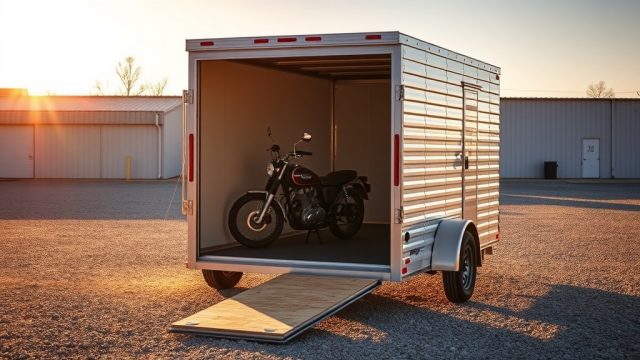
The Pennsylvania Cargo 6×12 is a popular choice for motorcycle enthusiasts due to its 72-inch interior width and 6-foot height, which comfortably accommodate most full-size bikes. However, pushing a 600- to 900-pound motorcycle up a ramp without assistance can be dangerous, especially on wet grass or gravel driveways. A winch mount converts the trailer’s interior layout into a self-loading platform, reducing physical strain and preventing accidental tip-overs. This installation focuses on securing the winch to the trailer’s steel frame, typically the A-frame or a reinforced center post, while preserving cargo space for gear storage.
What Are the Key Considerations for Winch Mount Placement in the Interior Layout?
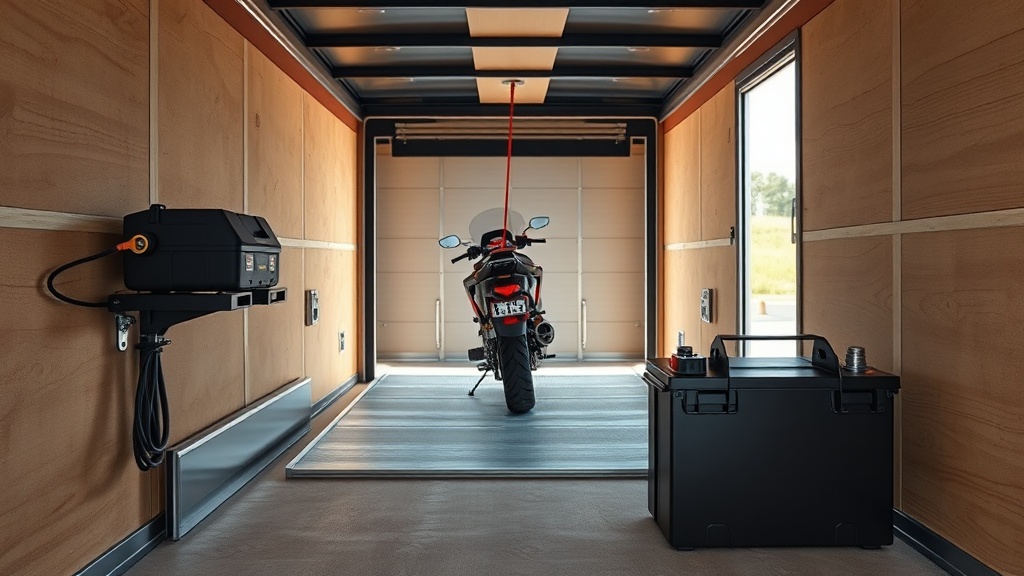
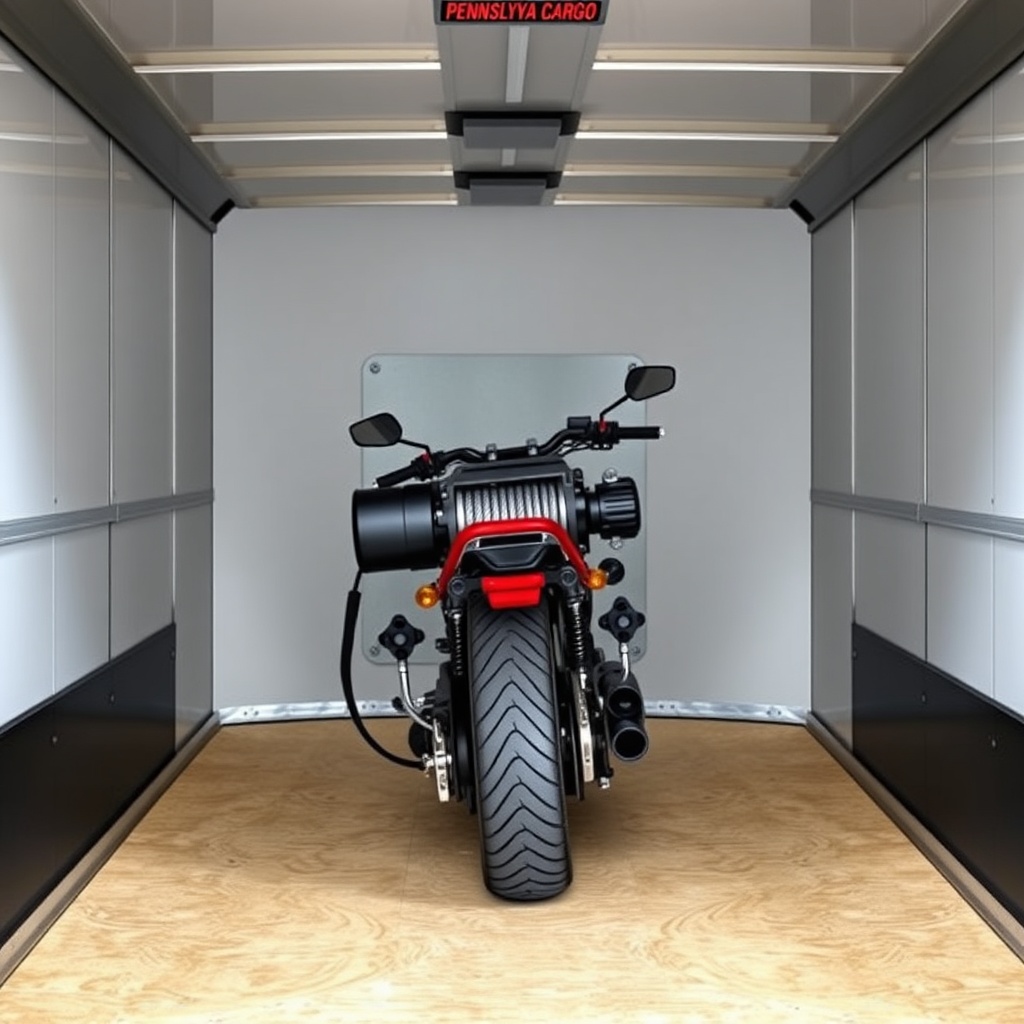
Winch placement in a Pennsylvania Cargo 6×12 must balance accessibility with load distribution. The most common location is the front interior wall, centered between the side walls, approximately 12 inches above the floor. This allows the cable to run straight back to the ramp door without rubbing against partitions. If you plan to store toolboxes or spare tires forward, consider a removable mount that bolts to the floor’s D-rings (four per side, rated at 1,000 pounds each). Avoid mounting on the side walls, as the trailer’s 0.040-inch aluminum skin offers minimal structural support. Instead, anchor the winch plate to the steel cross members that run between the frame rails, which are typically 16 inches on center. A 2,500-pound capacity winch is sufficient for most street motorcycles, but for heavy touring bikes like a Harley-Davidson Electra Glide (850+ pounds), opt for a 3,500-pound model.
Which Tools and Materials Are Required for a Secure Installation?
To complete the winch mount installation in your Pennsylvania Cargo 6×12, gather the following tools and materials. The cost estimates are based on current U.S. retail prices as of 2025.
| Item | Specification | Estimated Cost (USD) |
|---|---|---|
| Electric winch (wired remote) | 3,500 lb capacity, 12V DC | $180–$250 |
| Winch mounting plate | 10″ x 8″ steel, 1/4″ thick | $25–$40 |
| Bolts and lock washers | Grade 8, 3/8″ x 1.5″ | $8–$12 |
| Drill with step bit | 1/4″ to 3/4″ capacity | $20–$35 (if not owned) |
| Socket set | 3/8″ drive, metric/standard | $15–$25 |
| Wire cutters and crimp connectors | 10-12 AWG rated | $10–$15 |
| Battery (deep cycle AGM) | Group 24, 12V, 70 Ah | $100–$140 |
| Battery tray and wiring kit | Includes ring terminals, fuse holder | $30–$45 |
| Ramp extension (if needed) | Aluminum folding, 6 ft long | $60–$90 |
| Safety tie-down straps | 1,500 lb each, 4-pack | $25–$35 |
Total material cost ranges from $473 to $662, though using an existing winch and battery can reduce expenses. Always prioritize Grade 8 hardware over standard bolts; the winch handles dynamic loads during loading, and a sheared bolt could cause sudden motorcycle tip-over.
How Do You Prepare the Interior Floor and Frame for Mounting?
Before drilling, clear the front 3 feet of the Pennsylvania Cargo 6×12 interior. Remove any loose floor mats, E-track, or shelving. Lay a 4-foot carpenter’s square on the floor to trace the centerline from the ramp door to the front wall. Use a stud finder (or a strong magnet) to locate the steel cross members beneath the 3/4-inch plywood floor. Mark each cross member with a pencil; typically there are four within the first 6 feet. Drill a 3/8-inch pilot hole through the floor and into the cross member at the exact center—this will serve as your winch mount anchor point. For the battery, plan a location on the left or right side wall, 18 inches from the front, away from the winch’s cable path. Secure a 1/4-inch thick aluminum battery tray to the wall using self-tapping screws every 4 inches, ensuring the battery weight (approximately 40 pounds) is distributed to a cross member or a welded bracket. If you previously upgraded the trailer’s brake system from electric to hydraulic, ensure the winch wiring does not interfere with brake controllers or surge brake lines located in the A-frame.
What Steps Are Involved in Wiring the Winch to a Dedicated Battery?
A Pennsylvania Cargo 6×12’s existing 12V lighting circuit uses thin 14-gauge wire, which cannot handle the 80- to 100-amp draw of a winch under load. Therefore, you must install a dedicated deep-cycle battery. Mount the AGM battery in the battery tray and connect the winch’s red (positive) and black (negative) leads directly to the battery terminals using 10-AWG marine-grade wire. Install a 120-amp in-line fuse on the positive wire within 12 inches of the battery. Run the wire through a grommet in the front wall (drill a 3/4-inch hole and insert a rubber grommet) to avoid chafing against sharp edges. For the remote control, plug the wired pendant into the winch’s control box, which is typically attached to the winch body. Secure loose wires with zip ties to the floor cross members or wall studs. If you later plan to add LED strip lighting inside the trailer, consult the LED lighting installation guide to ensure your battery can handle both loads. A 70-Ah AGM battery provides approximately 30 winch cycles (10-second pulls) at full load before needing recharge.
How Do You Test the Winch and Secure Motorcycle Loading Procedure?
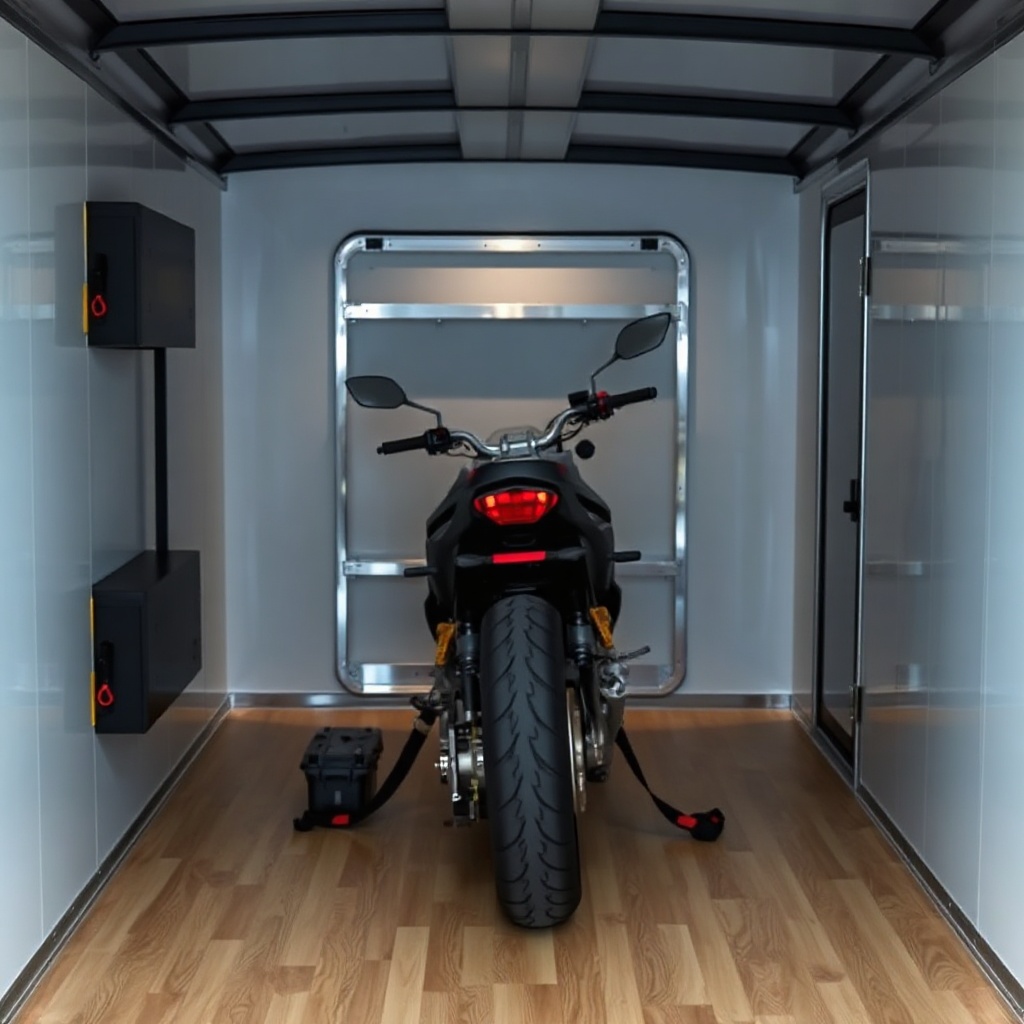
After mounting and wiring, perform a no-load test: cycle the winch forward and reverse for 3 feet to ensure smooth operation. Next, test under partial load by tying the cable to the trailer’s D-ring and winching against the resistance of the winch itself (a “dead pull”). Check for any bolt loosening—retighten to 40 ft-lb using a torque wrench. For motorcycle loading, always secure the bike on the ramp with the front wheel in a wheel chock strapped to the winch cable. Position the winch cable hook onto the motorcycle’s lower triple tree or frame hook, never the handlebars or fork. Winch slowly (1-2 mph) while a spotter walks alongside the bike. Once inside, attach four tie-down straps from the handlebars and swingarm to the trailer’s D-rings. Avoid over-tightening, which can compress suspension. If the ramp door shows signs of sagging under the load, refer to the ramp door hinge replacement guide to reinforce the hinges before repeated winch use.
What Owners Say
Pennsylvania Cargo 6×12 owners frequently report that the winch mount installation is the single best improvement for motorcycle hauling. Mark, a retired carpenter from Ohio, noted: “I used to dread the two-person lift onto the ramp. Now I park my 800-pound Goldwing in five minutes by myself. The winch cable runs straight, and I never worry about sliding on a rainy day.” Another owner, Sarah from Pennsylvania, shared that she mounted a removable plate to preserve floor space for camping gear: “The bolted mount takes 10 minutes to remove with a socket wrench. When I’m not hauling the bike, I have full 12 feet of cargo space for furniture and tools.” The most common advice among owners is to secure the battery tray with extra screws into a cross member; one user reported a battery shifting during a hard stop, but no damage occurred due to a secured strap. For those in regions with frequent rain, the weather sealing upgrade guide helps protect the winch and battery from moisture corrosion.
Frequently Asked Questions
Q: Can I install a winch mount without drilling into the trailer frame?
A: It’s not recommended for security. The 3/4-inch plywood floor alone cannot handle the winch’s 3,500-pound pulling force. Drilling into the steel cross members ensures the load is transferred to the frame rails, preventing floor or wall damage.
Q: How long does the installation take for a Pennsylvania Cargo 6×12?
A: With standard tools and a helper to lift the winch, plan 3-4 hours. This includes drilling holes, wiring the battery, and testing. First-time users may need 5 hours.
Q: Do I need to remove the interior plywood to access the cross members?
A: No. Drill pilot holes through the plywood into the cross members. Use a 3/8-inch step bit to avoid splintering. If you are concerned about rust under the floor, review the floor rust prevention and care guide before drilling.
Q: Can the winch be powered by the trailer’s existing 7-pin connector?
A: No. The 7-pin connector’s 12V auxiliary wire is typically 12-gauge and fused at 20 amps, insufficient for a winch. A winch requires a dedicated deep-cycle battery to avoid blowing fuses and damaging the truck’s alternator.
Q: What if my winch cable frays or snaps during loading?
A: Use a synthetic rope instead of steel cable—rope is lighter and safer if it breaks. Always inspect the cable for kinks or fraying before each use. Replace if you see more than 3 broken strands in a 6-inch length. If you need to replace the ramp door due to hinge wear, the tire pressure and load rating guide offers advice on matching GVWR for heavy motorcycle loads.
Q: Can I mount the winch on the side wall instead of the front?
A: Technically yes, but it causes uneven cable pull, which can shift the motorcycle sideways during loading. Side mounting also reduces interior width for gear storage. Front-centered is always preferred for balance and safety.