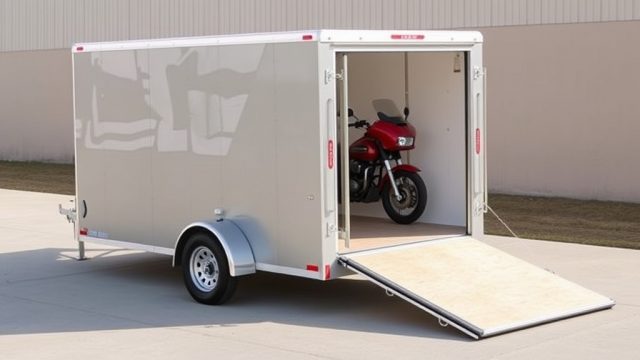
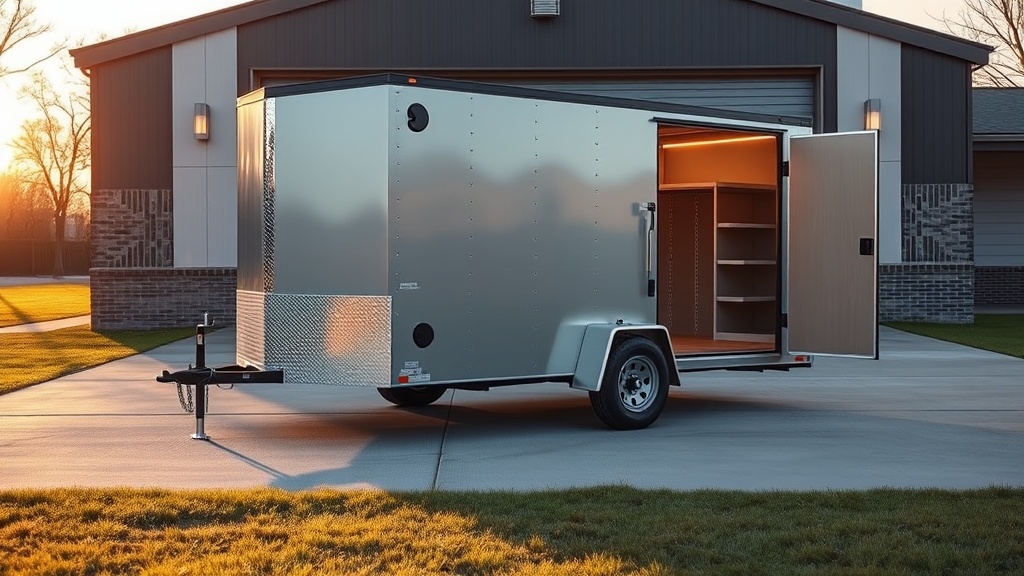
The Haulmark Edge 6×12 cargo trailer offers a blank canvas for owners who need more than just a utility box. With its standard 6-foot interior height and smooth aluminum siding, this model is a popular choice for custom builds ranging from mobile workshops to adventure campers. Proper interior customization not only maximizes usable space but can also increase the trailer’s resale value significantly.
How Do I Plan a Multi-Purpose Layout for the Haulmark Edge 6×12?
The key to a successful build is defining your primary use case early. A race hauler needs different storage than a gear hauler or a basic cargo mover. The 6×12 footprint offers roughly 72 square feet of floor space, which requires thoughtful zoning to avoid clutter.
Start by dividing the length into three functional zones: a forward gear lockup (first 2 feet), a central work or cargo area (next 8 feet), and a rear loading zone (last 2 feet). This approach works well for owners who need to secure tools while leaving open space for larger items like bicycles or camping gear. Consider installing a lightweight aluminum shelf that mounts to the factory studs at the 4-foot mark to create an upper loft for sleeping or lightweight storage.
For more complex builds, refer to our Haulmark Edge 6×12 Frame Welding Review: Strength and Durability to ensure your attachment points are solid when mounting cabinets or wall panels. The trailer’s 16-inch on-center studs give you flexibility, but you must always fasten to the steel frame, not just the thin aluminum skin.
Recommended layout tools include a tape measure, a digital level, and a 2D floor plan drawn to scale. Avoid placing appliances or heavy cabinets only on one side to prevent tipping during sharp turns.
What Are the Best Storage Solutions for a 6×12 Cargo Trailer Interior?
Vertical storage is your best friend in a 6×12, where width is limited to 6 feet. The most effective customizations use the walls and ceiling to free up floor space. E-track systems mounted to the factory studs at a 60-inch height allow you to hang heavy items like ramps, foldable chairs, and shelving brackets without drilling through the roof.
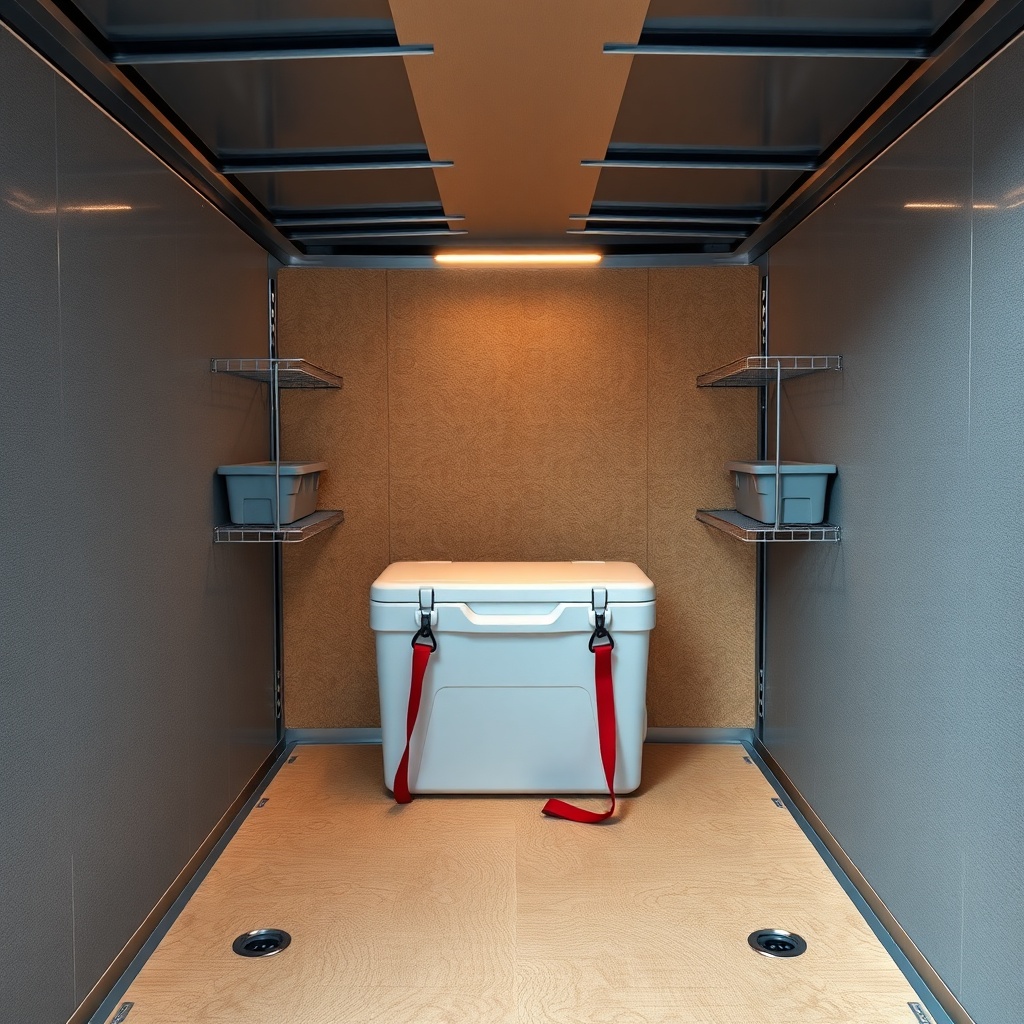
For smaller gear, consider modular wire shelving units that collapse flat when not in use. Attach these to the wall using hooked brackets that grip the E-track. This system costs roughly $80–$120 and can be reconfigured in minutes. For overhead storage, a lightweight aluminum cargo net stretched between two crossbars at the front of the trailer holds items like clothing bags or tarps without adding significant weight.
A dedicated floor anchor system is critical for large items like coolers or generators. Use D-rings bolted through the plywood subfloor into the steel crossmembers (spaced every 24 inches). Ratchet straps rated for 500 lbs will keep everything stationary during transit.
When planning your electrical runs for lights or outlets, leave space behind your wall panels for wiring. The factory walls have a 1-inch cavity, which is sufficient for low-voltage wires but not for Romex. Consult Towing the Haulmark Edge 6×12 with a Mid-Size SUV: Stability and Tips for weight distribution advice when loading heavy items toward the front.
Which Flooring Upgrade Should I Choose for the Haulmark Edge 6×12?
The factory plywood floor in the Edge 6×12 is adequate for light use, but it quickly shows wear from moisture, dirt, and heavy equipment. A durable upgrade protects your investment and is one of the most cost-effective modifications you can make.
The best option for most owners is a two-part system: first, apply a marine-grade paint or bed liner coating (like U-Pol Raptor or Rust-Oleum Truck Bed Coating) to seal the bare wood. This costs about $70–$120 and takes one weekend. Once cured, lay down a removable rubber coin flooring (available in 4×6-foot sections for around $150). This combination provides slip resistance, sound deadening, and easy removal for cleaning.
For heavier uses like hauling motorcycles or equipment, consider a full 3/4-inch marine plywood overlay with embedded tie-down tracks. This adds about 100 lbs to the trailer weight but provides a bombproof surface that resists oil stains and dents. Expect to pay $250–$400 for materials. Avoid using laminate or floating floor systems, as they can warp or lift under heavy loads.
If you plan to use the trailer in snowy or salty conditions, seal all edges of the new flooring with a polyurethane caulk to prevent moisture wicking. Remember that the Edge’s floor sits directly on the frame rails, so any liquid that penetrates can lead to rust.
| Flooring Option | Maintenance Priority | Typical Cost (USD) |
|---|---|---|
| Factory plywood (bare) | Needs attention soon | $0 (included) |
| Marine paint + rubber coin mat | Usually not urgent | $190–$270 |
| 3/4 marine plywood overlay + tracks | Usually not urgent | $250–$400 |
| Laminate or floating floor | Needs attention soon | $150–$250 |
The table above summarizes the trade-offs. The marine paint + rubber combination is the most balanced choice for a typical owner who wants durability without extreme weight or cost.
What Lighting and Electrical Upgrades Make the Haulmark Edge 6×12 More Functional?
The factory single dome light is insufficient for any interior work. A well-lit interior transforms the trailer into a usable space at night. The most effective upgrade is installing a 12V LED strip light system along the upper side walls, controlled by a dimmer switch. This provides even illumination for loading, camping, or working on projects.
Purchase a 16-foot, 12V LED strip with adhesive backing (about $40) and a compatible dimmer module ($15). Mount the strips to the aluminum ceiling ribs using plastic clips, not directly to the painted surface (to avoid residue). Run wiring to a dedicated marine battery (Group 31, about $120) mounted in a vented battery box near the tongue. Add a 5-amp fuse near the battery for safety.
For mobile power, install a single duplex 120V outlet connected to a pure sine wave inverter rated at 1500 watts (about $200). This lets you run a small saw, laptop, or refrigerator while the trailer is stationary. Install the inverter close to the battery to minimize voltage drop. Use 10 AWG wire for the inverter connection and a 30-amp fuse.
Consider adding an external shore power inlet (a 30-amp RV-style plug, about $30) for campsite hookups. This connects to a small breaker panel that feeds both the 120V outlets and a battery charger. The total cost for a complete lighting and electrical system is roughly $400–$600, depending on battery selection.
How Should I Insulate and Wall Finish the Haulmark Edge 6×12?
Insulation is critical if you plan to camp in extremes or store temperature-sensitive gear. The Edge’s aluminum walls transfer heat and cold very efficiently, which is bad for comfort. A DIY insulation project will cost between $150 and $300 and takes a full weekend with a helper.
The most effective method uses rigid foam board (polystyrene 1-inch thick, cut to fit between the studs). This provides an R-value of approximately 4.5, which is acceptable for seasonal use. For better thermal performance, spray foam is an option, but it’s more expensive and messy. Rigid foam boards can be purchased in 2×8-foot sheets for $20 each; you’ll need about six sheets for a 6×12 trailer.
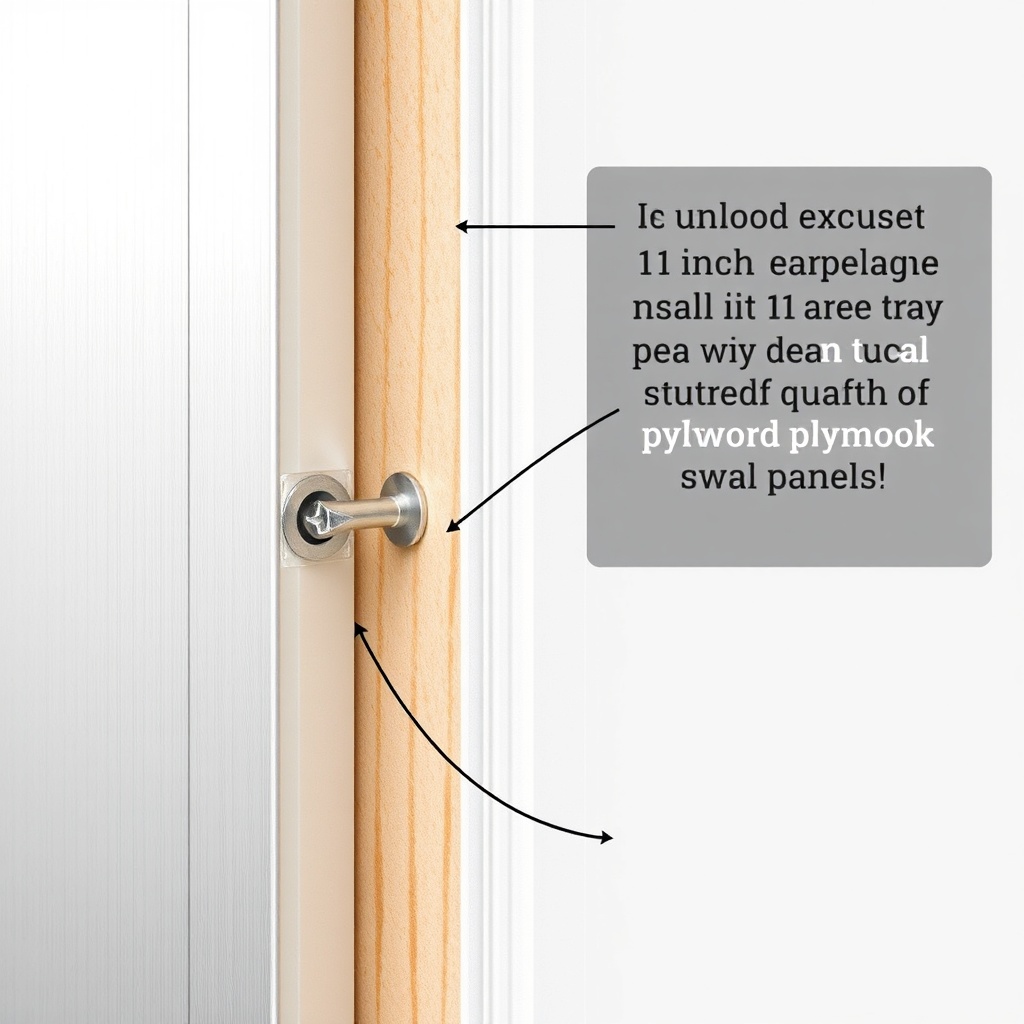
Once the foam is in place, cover it with 1/4-inch plywood or lightweight FRP (fiberglass reinforced panel) for a clean look. FRP is waterproof and easy to clean, ideal for a workshop or pet hauler. Expect to pay $0.60–$1.20 per square foot for FRP. Secure both foam and paneling using self-tapping sheet metal screws into the factory studs—every 12 inches along the perimeter works well.
Avoid using fiberglass batts, as they can trap moisture and promote corrosion against the aluminum skin. Also, leave a 1-inch gap at the bottom of the wall panels to allow airflow and prevent water damage from floor spills.
What Owners Say
Haulmark Edge 6×12 owners who have completed interior customizations generally report a high level of satisfaction but note a few common themes. One owner mentioned, “The factory studs are spaced well for shelving, but I wish the wall panels were thicker. I added 1/4-inch plywood over everything, and now it feels solid.”
Another owner shared, “I used marine plywood for the floor and coated it with bed liner. After two seasons of hauling mountain bikes and gear, it still looks brand new. My buddy’s trailer with factory flooring is already delaminating.”
A third owner noted, “The 6-foot height is fine for standing, but I added a pop-up vent in the roof for airflow. It cost me about $80 and made a big difference in summer camping. The wiring was simple—just ran a fuse to the battery.” These comments highlight the importance of investing in a quality flooring and wall finish from the start.
For a direct comparison with a similarly sized competitor, see our Haulmark Edge 6×12 vs. PJ Pacesetter 7×14: Which Cargo Trailer Wins?.
Frequently Asked Questions
What is the maximum weight I can add to the interior of the Haulmark Edge 6×12?
The Haulmark Edge 6×12 has a GVWR of 7,000 lbs. Subtracting the empty weight (approximately 1,900 lbs) leaves a payload capacity of roughly 5,100 lbs. Keep the center of gravity low and distribute weight evenly to maintain stability.
Can I install a rooftop air conditioner on the Haulmark Edge 6×12?
Yes, but you must reinforce the roof with a 2×2-inch aluminum frame before cutting. The factory roof is not designed for the weight of an RV roof mount A/C unit. Budget about $600–$800 for the unit and structural reinforcement materials.
Do I need to reinforce the wall studs before mounting heavy cabinets?
No, the 16-inch on-center steel studs are strong enough for standard kitchen-type upper cabinets. For heavy items like a generator or a spare tire, install a dedicated backing plate or use the floor mounting system to prevent wall deformation.
What size battery fits in the tongue-mounted battery box of the Haulmark Edge 6×12?
The factory battery box on the tongue accepts a Group 24 or Group 31 battery (max size 12.9 x 6.8 x 9.4 inches). For longer runtime, consider a deep-cycle AGM battery, which costs $120–$180 and requires no maintenance.
Can I add a rear wall to separate cargo from living space?
Absolutely. A partition wall at the 4-foot mark is common. Use 1-inch square steel tubing framed into the studs, then cover with 1/4-inch plywood. Leave a 24-inch door opening for access. This adds about 40 lbs to the trailer.
What is the best way to secure a motorcycle inside the Haulmark Edge 6×12?
Install a dedicated wheel chock bolted to the floor and two tie-down rings at the handlebar height. Use a Canyon Dancer or similar strap system that wraps around the grips. Mount the front wheel chock 18 inches from the front wall to allow room for the bike length.