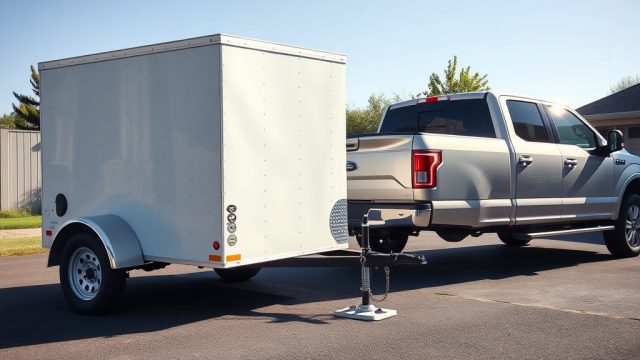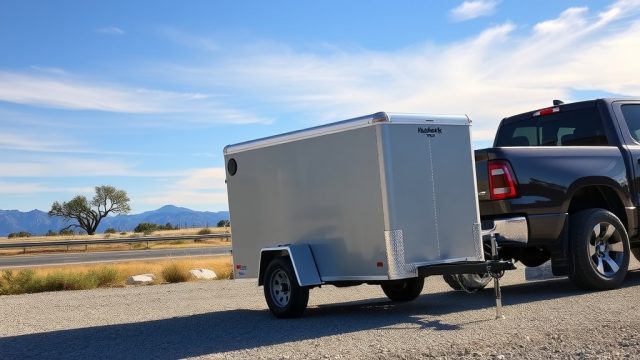
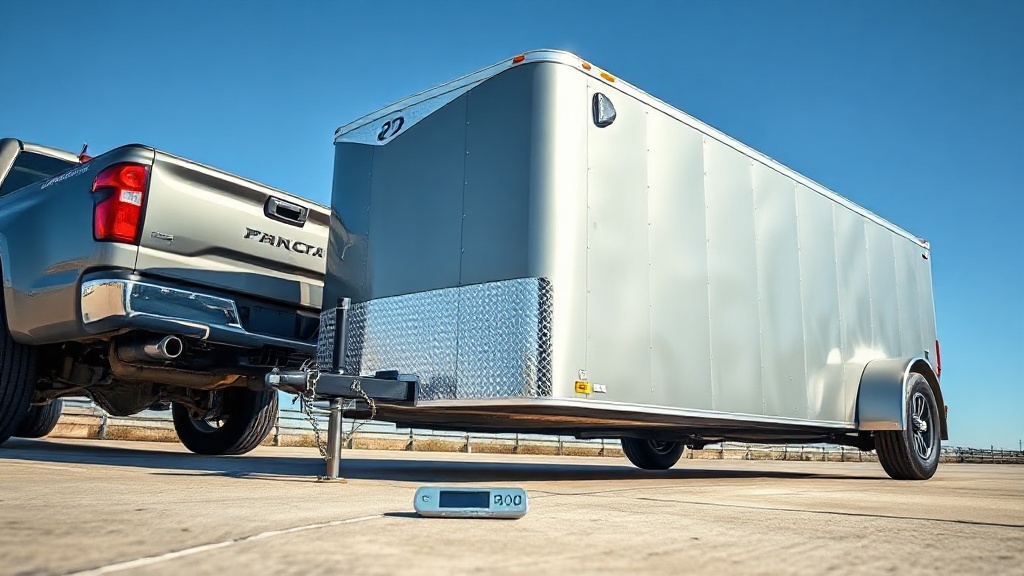
Proper tongue weight is the single most critical factor for safe towing of your Pennsylvania Cargo 6×12 trailer. Under or overloading the tongue can lead to dangerous sway, reduced braking control, and premature wear on your tow vehicle’s suspension. This guide provides step-by-step instructions for measuring, calculating, and adjusting tongue weight specific to the Pennsylvania Cargo 6×12 chassis.
What Is the Ideal Tongue Weight Range for a Pennsylvania Cargo 6×12?
The Pennsylvania Cargo 6×12 has a Gross Vehicle Weight Rating (GVWR) of up to 3,000 lb when equipped with the standard torsion axle. The industry standard recommends tongue weight between 10% and 15% of the loaded trailer weight. For a fully loaded 6×12 weighing 2,800 lb, that translates to 280–420 lb of downward force at the coupler. Axle placement on this model is set for a 60/40 load distribution, so you must account for cargo positioning. If your trailer’s actual loaded weight is 2,400 lb, the target tongue weight narrows to 240–360 lb. Exceeding 450 lb can exceed the hitch rating of most Class III receivers, while below 200 lb invites instability.
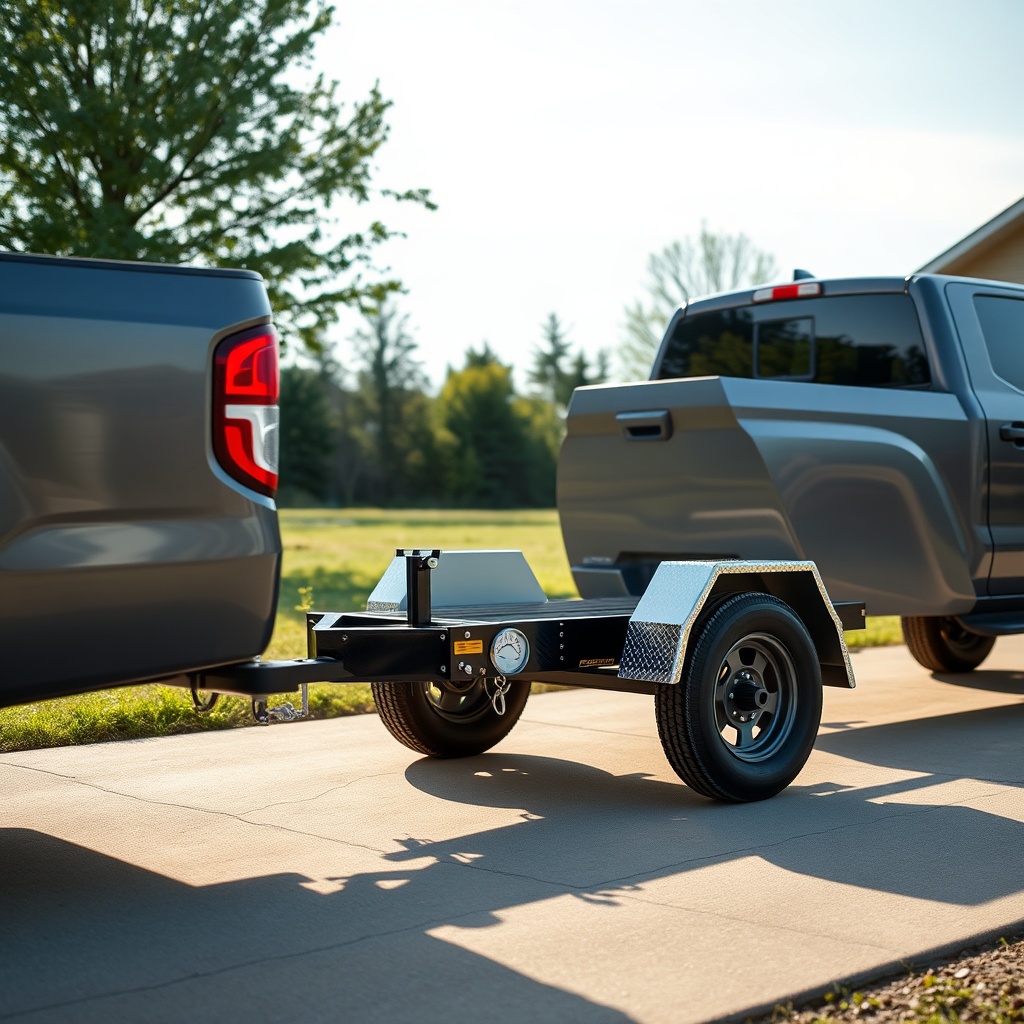
How Do You Measure Tongue Weight on a Pennsylvania Cargo 6×12?
You will need a dedicated tongue weight scale (such as the Sherline 2,000-lb model) or a bathroom scale paired with a pipe section. Follow these steps:
- Park the trailer on level ground with the coupler at towing height. Chock all wheels securely.
- Place the scale directly under the coupler ball socket. If using a bathroom scale, lay a 2-ft length of 2-inch PVC pipe over the scale and rest the coupler on the pipe.
- Lower the trailer jack until the coupler bears full weight on the scale. The jack must be fully retracted.
- Record the reading. For the Pennsylvania Cargo 6×12, a common empty tongue weight (no cargo) is 180–220 lb depending on factory options like side vents or spare tire mount.
- Repeat the measurement with the trailer loaded to your typical travel configuration.
Pro tip: Always measure with the trailer level from side to side and front to back. A tilted coupler skews the reading by up to 50 lb.
What Tools Do You Need for Tongue Weight Adjustment?
Adjusting tongue weight on the Pennsylvania Cargo 6×12 often requires shifting cargo or adding weight. The basic toolkit includes:
- Tongue weight scale (as described above)
- Torque wrench for hitch ball and coupler bolts (set to 250–300 ft-lb)
- Measuring tape
- Load-leveling bars (if tongue weight exceeds 400 lb)
- Battery-powered drill for relocating the spare tire mount
For trailers with a front storage compartment, you can also carry ballast. The Pennsylvania Cargo 6×12’s V-nose design provides a natural weight distribution advantage, reducing the need for heavy adjustment compared to flat-nose models.
How Does Cargo Location Affect Tongue Weight on the 6×12?
Cargo placement directly changes the lever arm. The Pennsylvania Cargo 6×12 has a 144-inch interior length, so moving a 100-lb item just 12 inches forward or backward alters tongue weight by approximately 8–10 lb. Use this table as a reference for common load scenarios:
| Load Configuration | Total Trailer Weight (lb) | Tongue Weight (lb) | % of Total |
|---|---|---|---|
| Empty (no cargo, standard interior) | 1,250 | 195 | 15.6% |
| 50% cargo forward (heavy tools, axles centered) | 2,000 | 310 | 15.5% |
| 50% cargo rearward (mattresses, boxes near ramp) | 2,000 | 175 | 8.8% |
| Fully loaded (balanced distribution) | 2,800 | 375 | 13.4% |
| Front storage compartment filled (100 lb) | 1,350 | 265 | 19.6% |
As shown, rear-heavy loading drops tongue weight dangerously low. Always secure heavy items over or slightly ahead of the axle for stable towing.
What Are the Signs of Incorrect Tongue Weight While Towing?
You can diagnose tongue weight problems before a scale confirms it. Watch for these symptoms during a test drive using the Pennsylvania Cargo 6×12:
- Sway: The trailer fishtails at speeds above 45 mph, especially in crosswinds—indicates tongue weight below 10%.
- Front-end lift: The tow vehicle’s headlights point skyward, and steering feels light—excessive tongue weight above 15%.
- Pitch oscillation: Continuous bouncing motion on undulating roads—commonly both underloaded and overloaded at the same time, but usually from too much weight behind the axle.
- Hard braking: The trailer pushes the tow vehicle during stops—tongue weight too low.
If any of these occur, re-measure tongue weight and review Pennsylvania Cargo 6×12 Tongue Weight Measurement Guide for precise correction steps.
How to Adjust Tongue Weight Without Adding Permanent Weight?
You can shift, not add, mass in most cases. For the Pennsylvania Cargo 6×12, these methods work without drilling or permanent modifications:
- Move heavy items from the rear 24 inches to the front 36 inches. This shifts 20–30 lb of tongue weight per 100 lb of cargo.
- If your trailer has a ramp door, replace the rear-mounted spare tire with a winter storage preparation guide that recommends a front mount. A spare tire relocation kit costs $45–$80 USD and adds 30–50 lb forward.
- Install a front storage box rated for 100 lb (available at $120–$200 USD) to permanently balance a rear-heavy load.
- Use a weight-distributing hitch if tongue weight exceeds 400 lb. This transfers load to the tow vehicle’s front axle, improving control.
For fine-tuning, refer to the Pennsylvania Cargo 6×12 Interior Lighting Upgrade: LED Strip Installation Guide to check if your electrical accessories are adding unexpected weight at the rear.

What Owners Say About Tongue Weight on the Pennsylvania Cargo 6×12
Long-time owners on forums report that the Pennsylvania Cargo 6×12’s balanced empty tongue weight of 195 lb makes it forgiving for DIY haulers. Many note that after adding a roof vent and LED interior lighting, the tongue weight increases by only 5–10 lb—a negligible change. However, several owners warn that incorrectly installing a Pennsylvania Cargo 6×12 Roof Vents Installation: Improve Airflow and Reduce Condensation near the rear can shift weight distribution by 15 lb rearward. One owner shared that adding a floor refinishing project with heavy plywood moved his tongue weight from 200 lb to 230 lb, still safe. The consensus is to measure tongue weight after any modification or before a long trip, especially if you use the Pennsylvania Cargo 6×12 Floor Sanding and Refinishing Tips route, which adds 0.5–1 inch thickness and 60–80 lb of material.
Frequently Asked Questions
Q1: Can I tow a Pennsylvania Cargo 6×12 with a tongue weight of 150 lb?
A: No—150 lb is only 11–12% of a light load, but it falls below the 10% minimum at 1,500 lb total. You risk dangerous sway. Always aim for 10–15% of loaded weight.
Q2: Does the V-nose design affect tongue weight differently?
A: Yes. The V-nose pushes the natural center of gravity forward by 4–6 inches compared to a flat-nose 6×12, resulting in 10–15% higher empty tongue weight. This is beneficial for stability.
Q3: How often should I measure tongue weight on a Pennsylvania Cargo 6×12?
A: Measure whenever you change cargo load by 200 lb or more, after installing any roof or floor modifications, and before any trip over 500 miles.
Q4: What should I do if my tongue weight exceeds 450 lb?
A: Remove weight from the front compartment, shift cargo rearward in 1-ft increments, or use a weight-distributing hitch. Never exceed your hitch rating—most Class III hitches are rated to 500 lb tongue weight.
Q5: Can I use a bathroom scale for tongue weight measurement?
A: Yes, with a 2-ft long, 2-inch diameter pipe to distribute the point load. Ensure the scale can handle the weight—most bathroom scales max at 300–400 lb. For heavier loads, use a truck scale or dedicated tongue weight scale.
Q6: Does the Pennsylvania Cargo 6×12 factory spare tire location affect tongue weight?
A: Yes. The factory under-frame spare mount behind the axle adds 35–45 lb to the rear, lowering tongue weight by 3–5 lb. Moving it forward to the V-nose increases tongue weight by 8–12 lb.