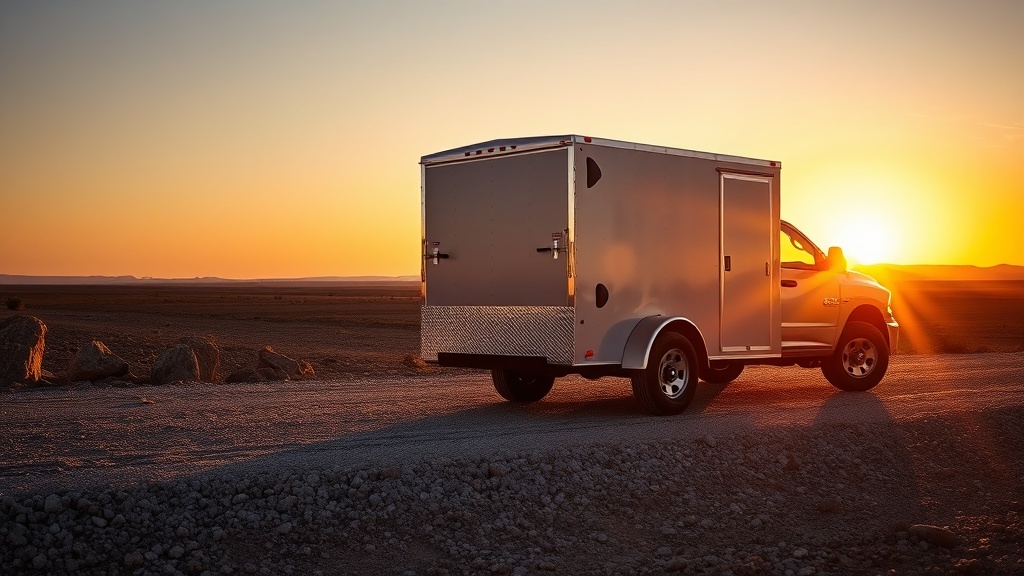
Why Do Suspension and Tire Adjustments Matter for Gravel Road Towing with the Haulmark Edge 6×12?
Pulling a Haulmark Edge 6×12 over gravel roads demands more than just a capable tow vehicle. The rough, shifting surface puts unique stress on the trailer’s suspension and tires, often leading to sway, accelerated wear, or even component failure if not properly configured. Owners who primarily tow on pavement may overlook these adjustments, but a few targeted changes can dramatically improve stability and longevity when the asphalt ends.
This guide focuses on practical suspension and tire modifications—from inflation pressures to shock selection—specifically for gravel road use. We also reference companion articles like the Haulmark Edge 6×12 Hitch Receiver Wear: Inspection and Replacement Guide to ensure your entire towing setup is optimized for rough terrain.
What Is the Recommended Tire Pressure for Gravel Roads on a Haulmark Edge 6×12?
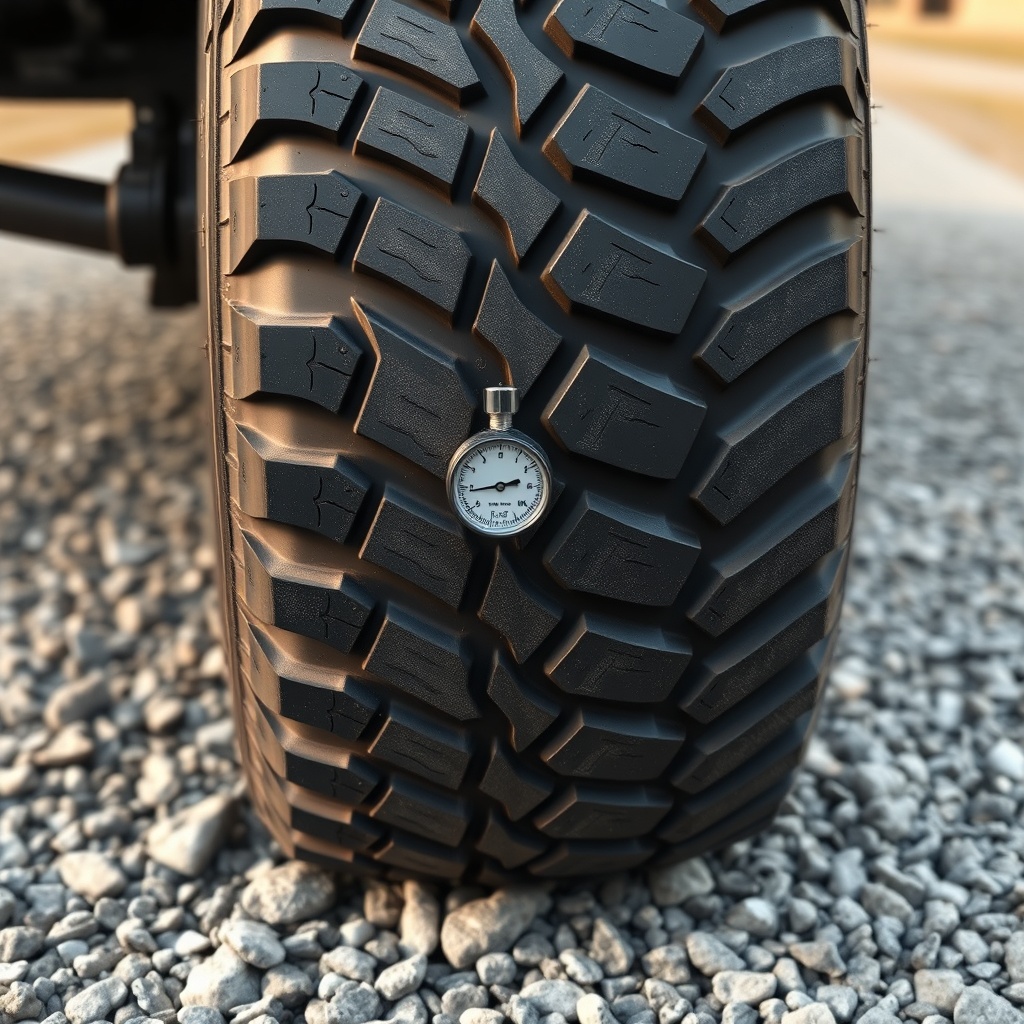
Tire pressure is the single most impactful adjustment you can make. On gravel, running the standard 50–65 PSI (common for highway towing) often results in a harsh ride, reduced traction, and increased risk of sidewall cuts from sharp rocks. Lowering pressure allows the tire footprint to conform to uneven surfaces, improving grip and absorbing vibration.
For the Haulmark Edge 6×12, which typically rides on ST205/75R15 or ST225/75R15 tires (load range C or D), we recommend the following:
- Empty or light load (under 1,500 lbs): 35–40 PSI cold.
- Moderate load (1,500–3,000 lbs): 40–45 PSI cold.
- Max GVWR (6,000 lbs): 50 PSI cold—do not exceed the tire’s sidewall maximum, but avoid 65 PSI unless absolutely necessary for load.
Important: Always adjust based on actual weight. Use a composite flooring reference point if you’ve upgraded from plywood, as lighter floors affect total axle load. After adjusting, check tire temperature every 20 miles on gravel; if the sidewall feels hot to the touch, add 5 PSI.
Which Suspension Upgrades Reduce Gravel Road Bounce and Sway?
The stock leaf-spring setup on the Haulmark Edge 6×12 is adequate for smooth highways, but gravel roads introduce constant low-frequency oscillations. The trailer’s 6-foot width and 12-foot length create a pendulum effect when bouncing over washboard surfaces. Here are three effective upgrades:
- Heavy-duty shocks: Installing gas-charged shocks (e.g., Monroe or Gabriel) on each axle dampens rebound cycles. Expect to pay $120–$180 per pair for a quality set.
- Rubber torsion axles (retrofit): Replacing leaf springs with a torsion axle eliminates steel-on-steel friction. Cost varies from $600 to $1,200 per axle, but it drastically reduces lateral sway.
- Air bag helper springs: A budget-friendly option at $200–$400 that uses compressed air to adjust ride height. Perfect for variable loads on gravel.
For most owners, adding shocks provides the best value-to-result ratio. However, if you tow frequently on Class 2–4 gravel roads (loose, rutted), a torsion axle conversion is worth the investment. Note that any suspension upgrade will alter hitch receiver load; consult our hitch receiver guide to verify your setup remains within safe tolerances.
How Do You Adjust the Coupler and Hitch Height for Gravel Towing?
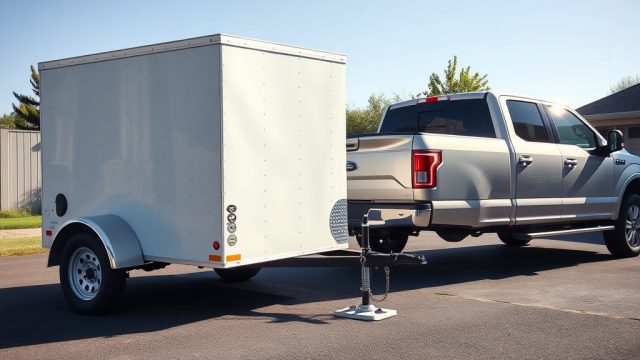
Gravel roads often have uneven approaches—dips, crowned sections, and washboard transitions. A misaligned coupler height can cause the trailer to pitch forward or backward, overwhelming the suspension on one axle. The ideal hitch ball height for the Haulmark Edge 6×12 on gravel is 1–2 inches higher than the coupler when the trailer is level. This slight nose-up angle (positive rake) shifts weight to the rear axle, improving traction on loose surfaces.
To adjust:
- Park the tow vehicle and trailer on level ground.
- Measure from the top of the hitch ball to the ground. For gravel, target 19–21 inches for a typical 1.75-inch drop hitch.
- Use a drop or rise hitch (adjustable preferred; $50–$150) to achieve the rake. On average, raising the ball 1 inch at the receiver translates to a 0.5-inch height change at the coupler.
- Check for clearance—ensure the trailer frame does not bottom out over a 6-inch simulated bump (use a 2×4 under the tires).
A proper coupler height also minimizes wear on the hitch receiver and reduces the risk of the trailer hitting the tow vehicle’s bumper on steep transitions.
What Tire Tread Pattern Is Best for Gravel Roads on the Haulmark Edge 6×12?
Highway tires (ST-rated) have shallow ribbed treads designed for water evacuation and low rolling resistance. On gravel, these tires offer minimal grip, especially on loose slopes or wet stones. While you cannot safely run aggressive off-road tires (like LT mud-terrains) on a trailer rated for ST tires, you can consider:
- ST tires with “D” or “E” load range: More sidewall plies provide better puncture resistance.
- All-season passenger tires (if swapping to LT): Only if you downsize load range and accept reduced payload. For example, LT215/75R15 at 2,100 lbs capacity per tire works for a 6,000-lb GVWR trailer if you run four tires (total 8,400 lbs capacity).
- Trailer-specific “gravel” tires: Some brands like Carlisle offer Radial Trail HD with a deeper tread (12/32 inch) compared to standard 8/32 inch. These cost about $100–$130 per tire versus $70–$90 for standard ST tires.
| Tire Type | Load Range | Tread Depth | Puncture Resistance | Typical Price (per tire) | Best For |
|---|---|---|---|---|---|
| Standard ST205/75R15 | C | 8/32″ | Moderate | $75–$95 | Pavement only |
| ST Radial Trail HD | D | 12/32″ | High | $100–$130 | Gravel with some highway |
| LT215/75R15 (passenger) | E | 11/32″ | Very High | $110–$150 | Primarily gravel, reduced payload |
Given the Haulmark Edge 6×12’s GVWR of 6,000 lbs, ST tires with load range D or E offer the safest balance for gravel roads. Always confirm rim width compatibility—most 6×12 models use 5-lug, 15×6 rims.
How Does Payload Distribution Change on Gravel Roads?
Gravel roads amplify the effects of poor weight distribution. An unbalanced load causes the trailer to fishtail more aggressively on loose surfaces. For the Haulmark Edge 6×12, which has a generous 6-foot interior width, the key is to concentrate weight over the axle centerline (around the 6-foot mark from the tongue).
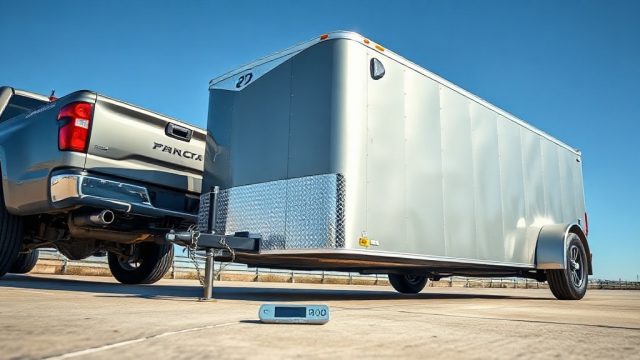
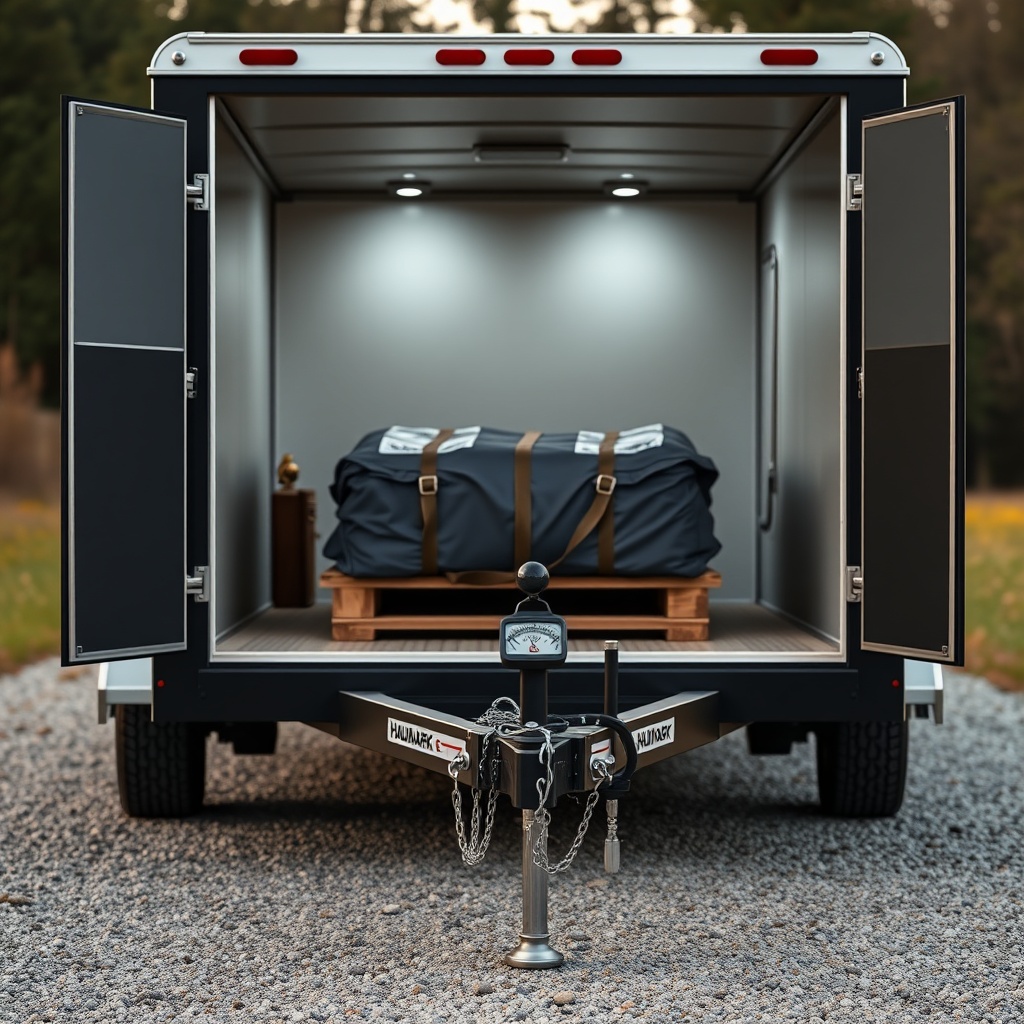
On gravel, shift 60% of the load to the front half of the cargo area (between the tongue and the axle centerline) to increase tongue weight. Gravel traction benefits from 12–15% tongue weight (versus 10–12% on pavement). For a 4,000-lb loaded trailer, this means 480–600 lbs on the tongue. Use a tongue scale to verify—inexpensive units ($30–$60) are essential for gravel towing.
If you’ve installed heavier flooring like plywood (adds ~100 lbs versus aluminum), adjust cargo placement accordingly to maintain this ratio. For example, heavy tools or water tanks should be mounted as far forward as possible without blocking the V-nose.
What Maintenance Is Required for Suspension Components After Gravel Use?
Gravel dust and moisture accelerate corrosion on leaf springs, shackles, and bolts. After each gravel trip, we recommend:
- Pressure wash: Blast off mud and debris from leaf spring packs and axle seats.
- Lubricate shackle points: Apply lithium grease to all pivot points (zeniths, equalizers).
- Inspect U-bolts: Check torque to 50–60 ft-lbs; gravel vibrations can loosen them.
- Check dry rot: UV exposure on gravel roads with open terrain degrades rubber bushings faster.
- Monitor brake magnets: Adjust brake controller settings after every gravel run—dust buildup reduces braking force.
Shocks (if installed) should be visually inspected for oil leaks every 3,000 miles on gravel versus 6,000 on pavement. Replace them when you notice increased bounce after a washboard section.
What Owners Say
Conversations with Haulmark Edge 6×12 owners who tow frequently on gravel reveal consistent themes. Many report that simply dropping tire pressure to 40 PSI eliminated the “jarring” feeling that previously shook items loose inside the trailer. One owner from rural Montana noted: “I used to worry about sidewall cuts from limestone roads. Switching to load range D tires with thicker tread gave me peace of mind—no flats in two years.”
Regarding suspension, owners who added gas shocks (cost $150) described the difference as “night and day” over washboard surfaces. The less common torsion axle conversion is praised by those who carry heavy loads (4,500+ lbs), with one user stating: “The trailer tracks true now—zero sway, even at 60 mph on gravel.” However, some caution that the torsion axle’s independent travel can cause uneven wear if the load is not perfectly centered.
Several owners recommend pairing suspension adjustments with a Bluetooth brake controller upgrade for real-time braking adjustments on steep gravel grades, which improves control dramatically. Overall, the consensus is that the Haulmark Edge 6×12 is a capable gravel trailer, but only with deliberate setup changes.
Frequently Asked Questions
Can I use standard ST tires on gravel roads with the Haulmark Edge 6×12?
Yes, but limit travel to maintained gravel roads with speeds under 45 mph. For loose, rocky, or washboard surfaces, upgrade to load range D or E tires with deeper tread patterns.
What is the cost to install shocks on a Haulmark Edge 6×12?
Expect $150–$250 for parts and labor if your trailer has existing shock mounts. If not, welding brackets adds $100–$200. Total cost typically ranges from $250 to $450 per axle.
Does lowering tire pressure affect braking on gravel?
Yes—lower pressure increases the tire’s contact patch, which improves braking traction on loose surfaces. However, avoid going below 30 PSI to prevent tire overheating or damage from rocks.
How often should I inspect the hitch receiver after gravel towing?
Every 1,000 miles on gravel, check for cracks, bends, or wear in the receiver tube. Refer to our Hitch Receiver Wear Guide for detailed inspection steps.
Can I swap my Haulmark Edge 6×12 to torsion axles without professional help?
We strongly recommend professional installation. Torsion axles require precise welding and alignment. DIY risk includes misaligned axle angles that cause tire wear and poor stability. Budget $800–$1,500 for installation.
Will upgrading to Bluetooth brake control help on gravel roads?
Absolutely. Bluetooth controllers allow fine-tuned adjustment from inside the cab without wiring, letting you increase brake gain instantly when descending steep gravel grades. See our Brake Controller Upgrade Guide for compatible models.