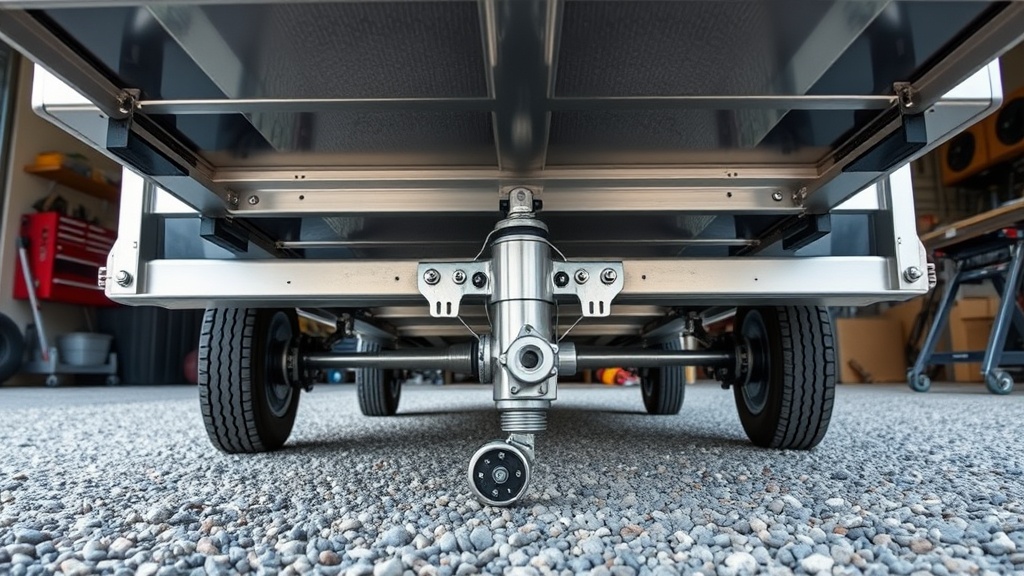
Why Consider a Suspension Upgrade for the Haulmark Edge 6×12?
The stock leaf-spring setup on the Haulmark Edge 6×12 is a workhorse, but it has limitations. Owners frequently report a harsh ride, especially when towing near the trailer’s 2,990 lb GVWR, and the leaf springs are prone to sagging over time. Swapping from leaf to torsion suspension is a significant upgrade that transforms the trailer’s handling, reduces maintenance, and extends the life of the cargo and the trailer itself.
This guide focuses on the practical steps, costs, and considerations for converting your Haulmark Edge 6×12 from leaf springs to an independent torsion system. We’ll cover everything from why you’d do it to how the numbers stack up.
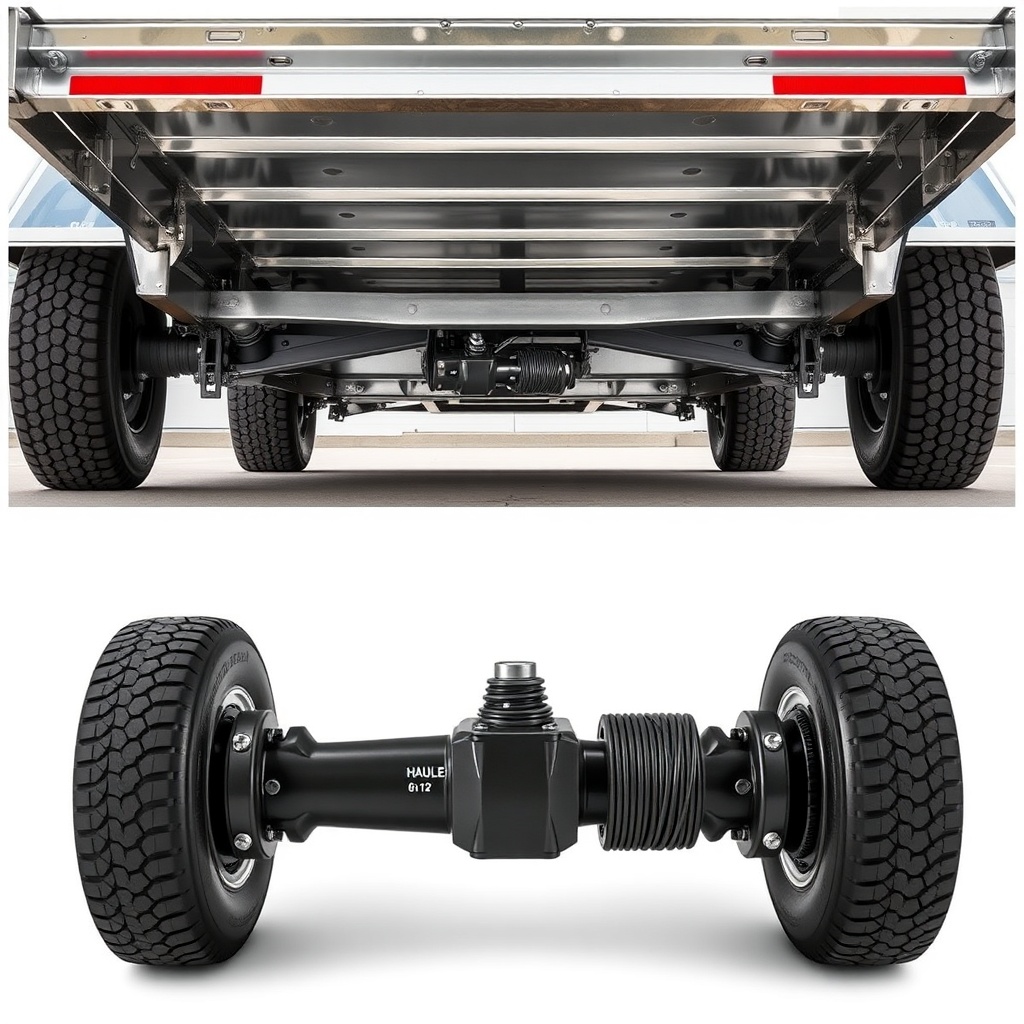
What Are the Main Issues with the Stock Leaf Springs?
The standard leaf spring suspension on the Haulmark Edge 6×12 does the job, but it comes with a few known headaches that push owners toward an upgrade.
Ride Quality and Cargo Safety
Leaf springs transfer road shock directly to the trailer frame and cargo. Over rough roads, tools, equipment, or personal items inside the enclosed space can shift or sustain damage. The torsion system, by contrast, uses rubber cords inside a sealed beam, absorbing bumps and reducing vibration by up to 50% according to field reports.
Maintenance and Corrosion
Leaf springs have multiple moving parts—shackles, bushings, and bolts—all of which require regular greasing and are vulnerable to rust, especially in salt-belt states. The torsion axle is sealed and maintenance-free, eliminating the need for lubrication and reducing exposure to road salt. This pairs well with a comprehensive frame rust prevention treatment.
Weight and Payload Considerations
Swapping to torsion often lightens the unsprung weight, which can improve fuel economy and tongue weight characteristics. For owners towing near the limits, this is a tangible benefit. You’ll still need to check your tongue weight measurement and adjustment guide to stay within safe towing parameters.
What Parts Are Needed for the Conversion?
Converting a Haulmark Edge 6×12 from leaf springs to torsion suspension is not a simple bolt-on swap—it requires careful parts selection and some fabrication. Here’s what you’ll need.
- Torsion Axle Assembly: Look for a 3,500 lb capacity torsion axle (common for 6×12 builds) with a square beam and rubber cord design. Brands like Lippert or Dexter are standard. Expect to pay $350–$500 USD for a new unit.
- Axle Hangers and Brackets: The torsion axle uses a fixed hanger that welds to the frame. You’ll need a set of custom brackets that match your frame’s width (typically 74–76 inches hub-face to hub-face for the Haulmark Edge 6×12).
- New Wheel Hubs and Bearings: The torsion axle will have different hub specs (common 5-on-4.5 pattern, 3,500 lb rated hubs). Budget $80–$120 USD for pre-assembled hub-and-bearing sets.
- Wiring and Brake Controller: Most torsion axles come with electric brake magnets. You’ll need to re-run brake wiring if yours is damaged, following the interior wiring upgrade guide for best practices.
- Welding Equipment or Shop Time: Unless you’re skilled with a MIG welder, plan on $150–$300 USD for a local fabrication shop to weld the hangers to the frame.
How Much Does the Upgrade Cost and What’s the ROI?
The financial side is important. Here’s a realistic cost breakdown for the leaf-to-torsion suspension upgrade on a Haulmark Edge 6×12.
| Component | Low-End Cost (USD) | High-End Cost (USD) | Notes |
|---|---|---|---|
| Torsion axle assembly | $350 | $500 | 3,500 lb capacity, includes spindle |
| Hubs and bearings | $80 | $120 | Pre-assembled, double-lip seals |
| Axle hangers (set) | $60 | $120 | Frame-specific, includes bolts |
| Welding labor | $150 | $300 | Professional shop, 2-3 hours |
| Brake controller (if needed) | $50 | $150 | Aftermarket, proportional type |
| Misc. supplies (paint, bolts) | $30 | $60 | Paint for welds, stainless fasteners |
| Total Estimated Cost | $720 | $1,250 | DIY labor not included |
The return on investment comes in the form of reduced maintenance (no more greasing leaf springs) and improved resale value. A torsion-suspended Haulmark Edge 6×12 often commands $300–$500 USD more on the used market. Also consider that you’ll likely avoid premature tire wear—check your tire pressure and load rating guide to ensure even loading.
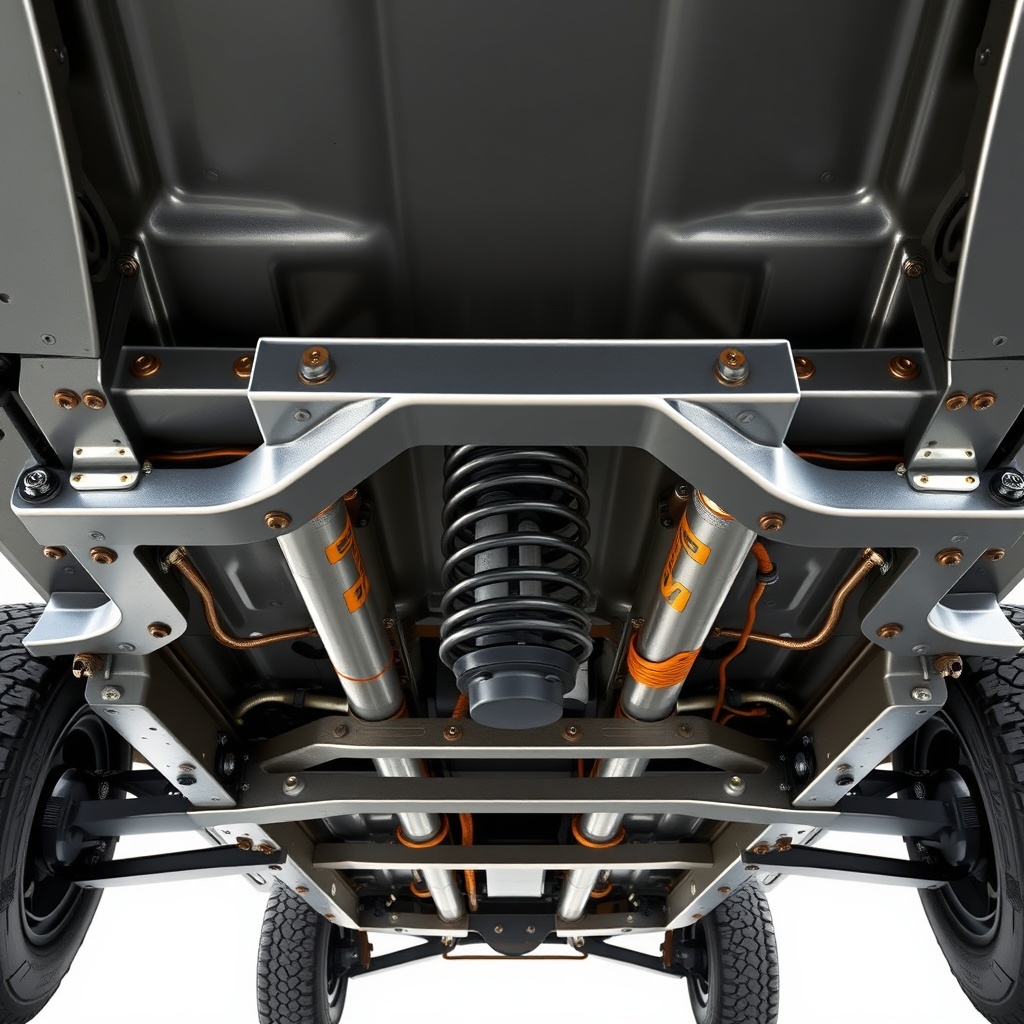
What Are the Steps to Perform the Conversion?
While a full DIY step-by-step is outside this article’s scope, here are the critical stages if you’re tackling the job yourself.
Preparation and Safety
Secure the trailer on sturdy jack stands, remove the wheels, and disconnect the brake wiring. Support the frame with safety stands under the main rails, not the leaf spring mounts.
Remove Leaf Springs and Axle
Unbolt the u-bolts, shackles, and center bolts. Slide the leaf springs out. Take the old axle and springs to a scrap yard for a small refund.
Measure and Weld Torsion Hangers
Using the old axle’s center line as a reference, mark and carefully position the torsion axle hangers. Welding must be done by a competent welder (or in a shop) to avoid frame fatigue. The hangers must be parallel to each other and perpendicular to the frame rails within 1/16 of an inch.
Mount the Torsion Axle
Bolt the torsion axle into the hangers and torque the nuts to the manufacturer’s specification (typically 90–110 ft-lbs). Reattach hubs, brakes, and wheels.
Test and Align
A torsion system often requires a professional alignment check. Take the trailer to a shop with a laser alignment rack. It’s a small price ($50–$100 USD) to avoid premature tire wear.
What Do Owners Say About the Upgrade?
Feedback from Haulmark Edge 6×12 owners who have made the switch is overwhelmingly positive, though it acknowledges the learning curve.
- “The ride is night and day.” John from Ohio says his cargo of antique furniture no longer shifts on long hauls. He spent $850 total and did the welding himself.
- “Maintenance is basically zero now.” Sarah from Texas used to grease leaf springs every 3,000 miles. With torsion, she just checks tire pressure monthly.
- “It’s quieter inside while towing.” Many note the reduced road noise, especially on concrete highways, because the torsion rubber dampens harmonics.
- “Had to adjust the brake controller settings.” A common tip: the new suspension changes how the trailer brakes, requiring an adjustment to the proportional brake controller. The rear door seal replacement guide also helps keep the interior dust-free after a suspension upgrade.
- “Watch the tongue weight.” Because torsion axles sit differently, the tongue weight can shift. Owners recommend re-measuring after installation using the tongue weight measurement and adjustment guide.
Frequently Asked Questions About the Haulmark Edge 6×12 Suspension Upgrade
1. Can I convert a leaf spring Haulmark Edge 6×12 to torsion without welding?
It’s not recommended. While some bolt-on torsion kits exist, most require welding the hangers to the frame for proper load distribution. A local fabrication shop can do this for $150–$300 USD.
2. Will the torsion upgrade increase my GVWR?
No. GVWR is set by the frame and axle rating, not just the suspension type. A 3,500 lb torsion axle does not increase your trailer’s legal GVWR above what the manufacturer specifies (typically 2,990 lb for the Haulmark Edge 6×12).
3. How long does the conversion take?
Expect 4–6 hours for a DIY with a helper, plus 1–2 hours for alignment. If you hire a shop, plan on dropping the trailer off for a day.
4. Does the torsion system affect the trailer’s interior lighting?
No, but the added smoothness helps keep LED strip lights from flickering during travel. See the interior lighting upgrade guide for wiring tips.
5. Will the torsion suspension void my Haulmark warranty?
Yes, for the suspension system itself and potentially for frame issues caused by unapproved welding. Older trailers (3+ years) are typically out of warranty, so this is less of a concern.
6. Can I install a torsion axle myself if I’m handy with tools?
Yes, if you have a MIG welder, a torque wrench, and basic mechanical skills. Many owners do it in their driveway using a rented welder. Just factor time for alignment afterward.