Why Is Frame Rust a Common Issue on the Haulmark Edge 6×12?
The Haulmark Edge 6×12 cargo trailer is a workhorse for weekend warriors and small business owners alike, but even the best-built trailers have an Achilles’ heel: frame rust. Over time, exposure to road salt, moisture, and debris can lead to corrosion that compromises structural integrity. Understanding how to prevent and treat rust on this specific model is crucial for extending its lifespan and maintaining resale value. With proper care, your 6×12 can serve you reliably for over a decade. Let’s get into the practical steps for keeping the frame in top shape.
What Causes Frame Rust on the Haulmark Edge 6×12?
Rust on the Haulmark Edge 6×12’s steel frame typically stems from three main sources: road salt exposure in winter months, trapped moisture in enclosed cavities, and stone chips that expose bare metal. The trailer’s undercarriage sits close to the ground, making it a magnet for splash from puddles and slush. Additionally, the A-frame tongue area near the coupler often accumulates moisture due to poor drainage during washing or rain. A less obvious culprit is the use of dissimilar metals in hinges or mounting brackets, which can cause galvanic corrosion if not sealed properly.
How Can You Inspect the Frame for Rust Damage?
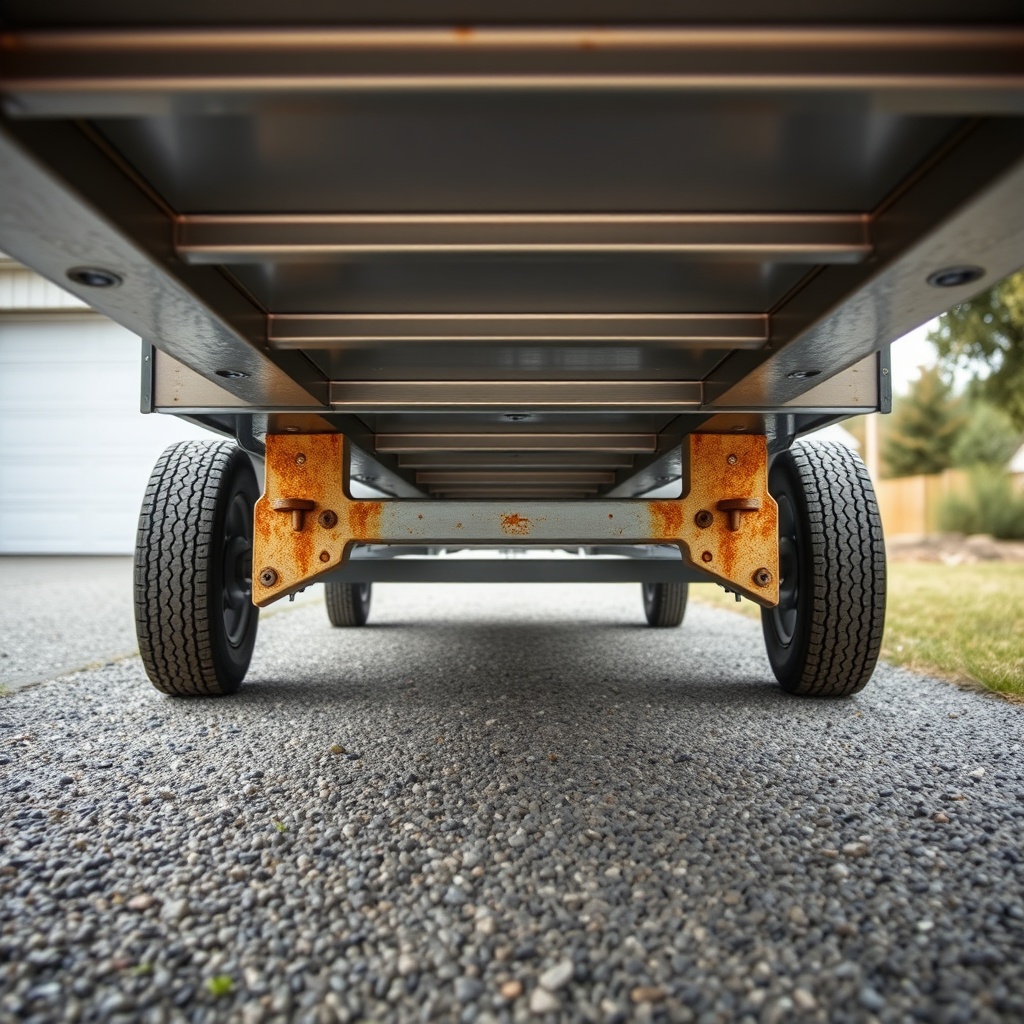
Regular inspection is the first line of defense. Begin by parking the Haulmark Edge 6×12 on a level surface and securing it with wheel chocks. Use a flashlight to examine the main I-beam rails, tongue assembly, and crossmembers. Look for orange or reddish-brown flakes, bubbling paint, or soft spots. Pay extra attention to weld joints where the frame meets the suspension hangers—these are stress points that rust can weaken quickly. Use a screwdriver or pick to gently probe any suspicious areas; if it sinks in more than 1/8 inch, the damage is more than surface-level. Document findings with photos and note monthly changes. For a thorough check, lift the trailer with jacks to inspect the underside of the axle mounts.
Key areas to check monthly:
- Primary frame rails (driver and passenger sides)
- Tongue coupler and safety chain attachment points
- Suspension leaf spring hangers
- Fender mounting brackets
- Rear bumper crossmember
If you’re also considering how rust affects towing stability, see our guide on Towing the Haulmark Edge 6×12 with a Mid-Size SUV: Stability and Tips for load distribution advice that reduces stress on the frame.
What Are the Best Rust Prevention Treatments for the Frame?
Prevention is far cheaper than repair. Start by cleaning the undercarriage thoroughly each spring and fall using a pressure washer and a degreaser specifically formulated for trailers. After rinsing, allow the frame to dry completely for at least 24 hours in a ventilated area. Apply a rust-inhibiting undercoating like Fluid Film or CRC Heavy Duty Rust Inhibitor—these leave a waxy film that repels moisture without hardening and cracking. For a more permanent solution, consider a urethane-based chassis coating such as POR-15 chassis black after surface prep. Be sure to mask off bearings, brake lines, and wiring before spraying. A second coat applied to the inside of frame rails using a cavity wax spray provides internal protection where rust often starts unseen.
| Prevention Product | Application Method | Cost (Local Currency) | Effectiveness Duration |
|---|---|---|---|
| Fluid Film for trailers | Spray can or aerosol | $14.99 per can | 6–12 months |
| POR-15 chassis coating | Brush or roll | $39.99 per quart | 3–5 years |
| CRC Heavy Duty Rust Inhibitor | Aerosol spray | $12.49 per can | 8–12 months |
| Lucas Oil Chassis and Underbody Spray | Trigger sprayer | $18.99 per bottle | 12–18 months |
| Cavity wax (internal frame) | Aerosol with long nozzle | $21.99 per can | 2–4 years |
For long-term prevention, consider a professional rust-proofing service priced around $250–$450 depending on your region. This is especially wise if you live in salt-belt states or near coastal areas. Also, after you’ve addressed the frame, you might explore Best Interior Customizations for the Haulmark Edge 6×12 Cargo Trailer to complement your rust-proofing efforts with a clean, organized interior.
How Should You Treat Existing Rust on the Haulmark Edge 6×12 Frame?
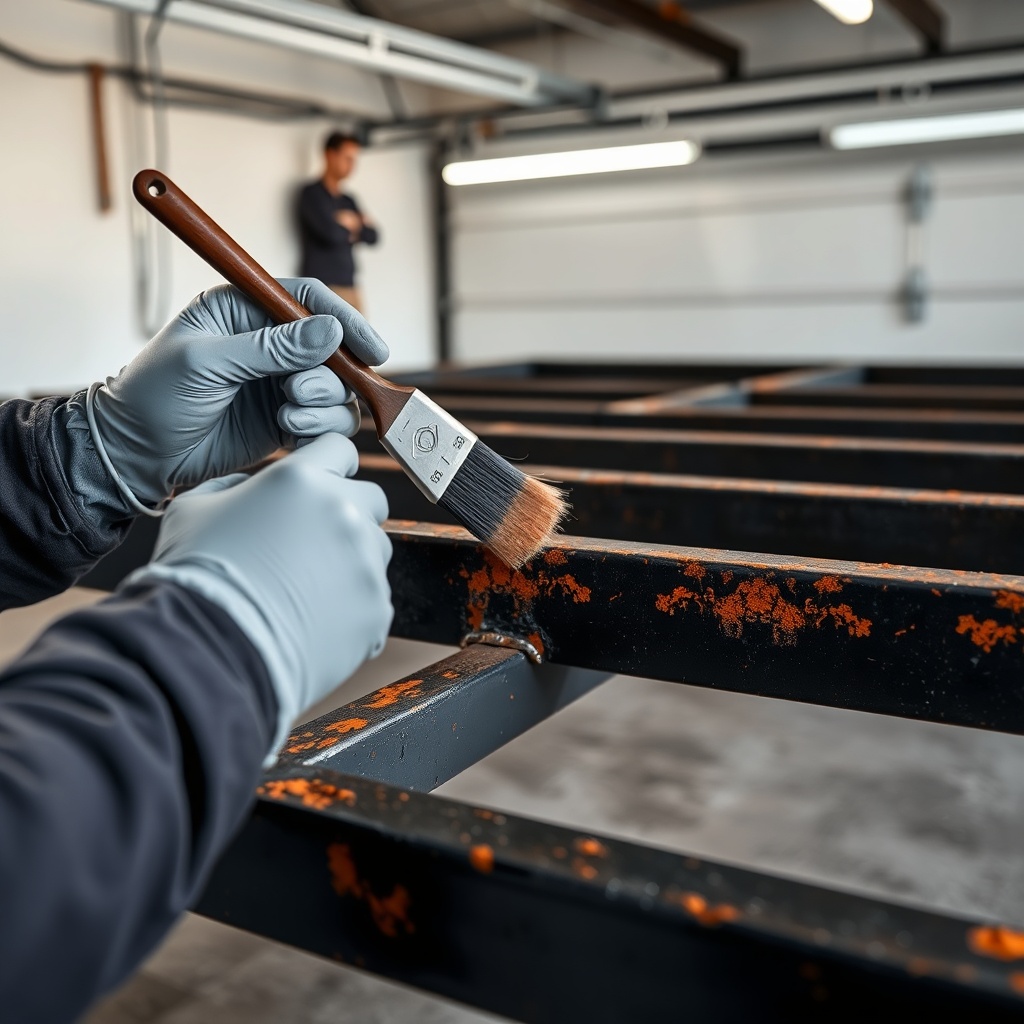
Treating active rust requires three steps: remove, neutralize, and protect. For light surface rust (no pitting), use a wire brush attachment on an angle grinder or a handheld sanding block with 80-grit paper to remove loose flakes and paint. Follow with a chemical rust converter like Corroseal or Rust-Oleum Rust Reformer; these react with iron oxide to form a stable, paintable black coating. Brush on at least two coats, allowing 24 hours between each. For deeper pitting or scale, you’ll need to sandblast or use a needle scaler to get into cracks. After treatment, apply a high-quality epoxy primer followed by a two-part polyurethane topcoat for maximum adhesion and moisture resistance. Always wear a respirator and safety glasses during these steps.
If rust has penetrated through the frame (holes larger than a dime), welding may be necessary—consult a certified trailer repair shop. A patch plate welded over the weak area can restore strength, but this is a permanent repair that may require repainting the entire section. The average cost for professional frame rust repair on a 6×12 trailer runs $200–$800 depending on severity.
What Do Owners Say About Haulmark Edge 6×12 Frame Rust?
Long-time owners on trailer forums and review sites consistently point to one fact: rust is manageable but requires diligence. One owner from Minnesota reported that after three winters of towing the trailer to ski hills, the A-frame tongue developed surface rust within 18 months despite factory paint. After applying Fluid Film each fall, the rust stayed cosmetic and never advanced. Another owner in Florida noted that coastal humidity caused bubbling under the fender brackets after just two years; they corrected it by thoroughly cleaning and using a zinc-rich primer before repainting. The consensus is that the Haulmark Edge 6×12’s frame is well-constructed but the paint is thin in high-impact areas like wheel wells and tongue joints. Buyers should budget for a winter undercoating program from day one. For a performance comparison, read our review: Haulmark Edge 6×12 vs. PJ Pacesetter 7×14: Which Cargo Trailer Wins? to see how it stacks up in longevity.
Frequently Asked Questions
Q1: How often should I apply rust prevention to my Haulmark Edge 6×12 frame?
Apply a sacrificial coating like Fluid Film or CRC Inhibitor every 6 to 12 months, preferably before winter storage and after spring wash. Reapply after any pressure washing that removes the coating.
Q2: Can I use ordinary spray paint on the Haulmark Edge 6×12 frame?
Standard spray paint lacks the flexibility and chemical resistance needed for a trailer frame. It chips easily, allowing moisture in. Use a two-part epoxy or urethane paint instead for lasting protection.
Q3: Is surface rust on the frame a serious structural concern?
Surface rust alone is cosmetic if removed promptly. Once it pits deeper than 1/16 inch or covers more than 20% of the frame, it reduces strength. Regular inspection keeps it from becoming serious.
Q4: Does the Haulmark Edge 6×12 frame warranty cover rust?
Standard warranties typically cover manufacturing defects for 1 year. Rust from road salt, neglect, or improper storage is not covered. Extended warranties may offer limited protection; check your dealer.
Q5: What tools do I need for DIY rust removal on the frame?
Minimum: angle grinder with wire cup brush, 80-120 grit sandpaper, rust converter brush, paintbrushes, and a chassis coating sprayer. For severe rust: sandblaster or needle scaler (rental available).
Q6: Does rust increase wind noise on my trailer?
Rust itself doesn’t create wind noise, but holes and flaking metal can lead to aerodynamic turbulence. For related techniques, see Haulmark Edge 6×12 Wind Noise Reduction Techniques.