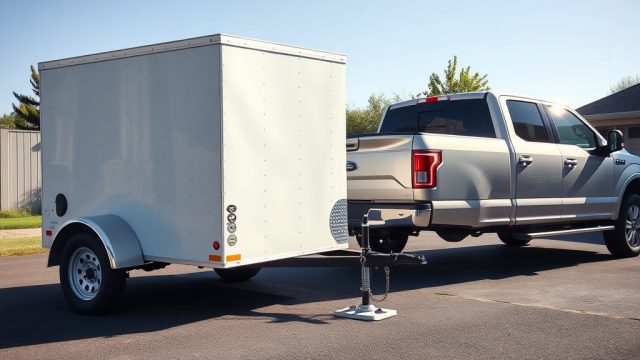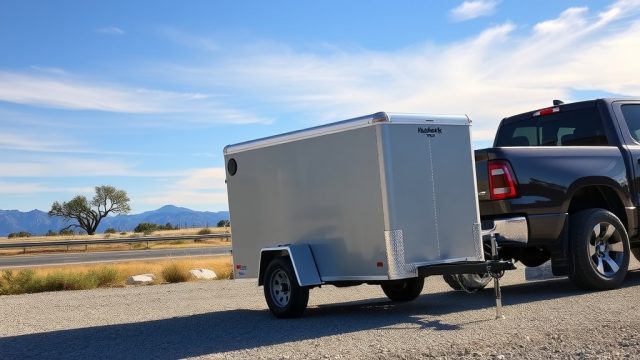
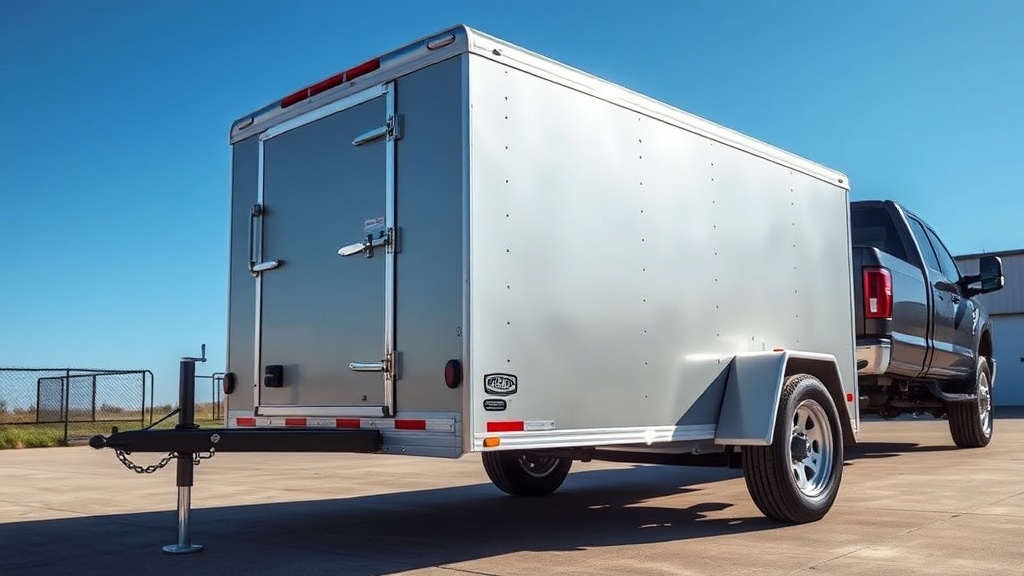
Continental Cargo Cargomate 6×10 Gate Spring Hookup: Secure Cargo with Proper Tension
Setting up the gate spring hookup on your Continental Cargo Cargomate 6×10 is a critical step for towing safety and cargo stability. This guide focuses on achieving proper tension to prevent gate swing during transit while protecting your load from shifting. Whether you’re hauling ATVs, motorcycles, or general storage, understanding the spring hookup mechanics ensures your trailer gate remains secure on every trip.
What Is the Gate Spring Hookup System on the Cargomate 6×10?
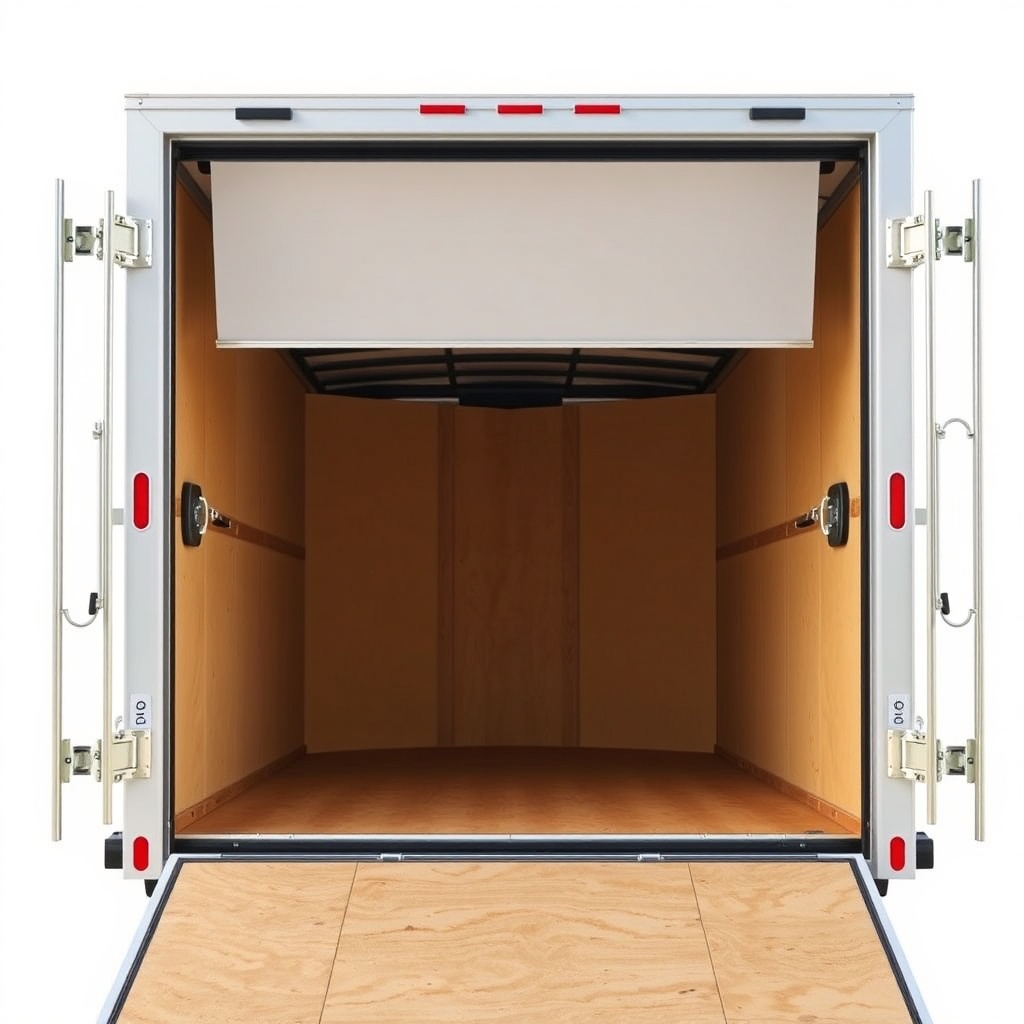
The gate spring hookup is the mechanism that connects the rear ramp gate to the trailer frame, using tension springs to keep the gate closed and stable during towing. On the Continental Cargo Cargomate 6×10, this system typically features two heavy-duty extension springs mounted on the gate hinges or latch points, designed to counteract wind lift and road vibration. Without proper tension, the gate can rattle, swing open, or cause damage to the trailer structure, especially when carrying loads like motorcycles or heavy equipment.
For those using this trailer for motorcycle hauling, a secure gate is non-negotiable. See our Best Cargo Trailer for Motorcycle Hauling: 6×10 vs 6×12 vs 7×14 guide for sizing comparisons.
How Do You Identify the Correct Spring Hookup Points?
Locating the correct hookup points on your Cargomate 6×10 requires checking the gate hinge brackets and the frame mounting tabs. On most models, two spring anchors are welded to the trailer frame near the rear corners, about 6 inches from the hinge pivot. The opposite ends of each spring attach to a hook bracket on the gate itself, typically near the latch mechanism or a reinforced eyelet. Verify that your springs have a free length of 8 to 10 inches when unloaded, and that the hooks are not bent or corroded. Using the wrong points—like attaching springs to the gate stop bar—can cause uneven tension and gate misalignment.
| Hookup Point | Location on Cargomate 6×10 | Tension Effect |
|---|---|---|
| Frame anchor tab | Rear frame rail, 6″ from hinge pivot | Pulls gate downward into sealed position |
| Gate eyelet | Gate latch side, 12″ from bottom edge | Reduces vertical gate lift at highway speeds |
| Hinge spring bracket | Top hinge, inner side of gate | Controls gate sag when fully open |
Always inspect these points for rust or wear before each towing season. For tire-related safety, refer to the Continental Cargo Cargomate 6×10 Tire Pressure and Load Rating Guide.
What Is the Proper Tension Range for the Gate Springs?
The ideal tension for gate springs on the Cargomate 6×10 is when the gate stays fully closed without slamming shut or requiring excessive force to latch. A commonly recommended preload is 1.5 to 2 inches of stretch from the spring’s free length when both ends are hooked. For example, a 10-inch spring should measure 11.5 to 12 inches when attached. Too much tension can warp the gate frame or stress the hinge welds; too little leads to gate vibration and potential opening. A simple test: with the gate closed, you should be able to lift it no more than 1/4 inch using moderate hand pressure. If the gate lifts 1/2 inch or more, increase spring tension by adjusting the hook to a tighter anchor hole.
How Do You Tension Gate Springs for Heavy Loads?
When hauling loads over 1,500 pounds on the Cargomate 6×10, gate spring tension must be increased to counteract additional wind resistance and load shifting. Start by ensuring both springs are matched in length and tension—uneven springs cause gate twist. For heavy loads, tighten the spring hook to the next available anchor hole closer to the frame, adding 0.5 to 0.75 inches of additional stretch. If your trailer has adjustable spring brackets, use a wrench to move the anchor point 1 inch forward. Monitor gate alignment: if the gate begins to bow outward in the center, reduce tension slightly. Over-tensioning can exceed the spring’s yield point, leading to permanent sag. For brake adjustments on loaded trailers, check the Continental Cargo Cargomate 6×10 Electric Brake Adjustment Guide.
What Are Common Gate Spring Hookup Mistakes?
Several frequent errors compromise the gate spring hookup on the Cargomate 6×10. First, using springs from different sets creates mismatched tension, causing the gate to bind or twist. Second, attaching springs to rusted or bent hooks reduces their effective strength—replace any hook with visible pitting or elongation. Third, failing to lubricate spring hooks with silicone spray leads to squeaking and premature wear. Fourth, routing springs over sharp edges of the gate frame can cut the spring coating, accelerating corrosion. Fifth, ignoring the gate’s weather seal: overtensioning compresses the seal unevenly, leading to water ingress. If you encounter leakage, see our Continental Cargo Cargomate 6×10 Roof Leak Causes and Permanent Fix.
What Do Owners Say About the Cargomate 6×10 Gate Spring Setup?
Owners of the Continental Cargo Cargomate 6×10 consistently report that the gate spring system is straightforward once tension is correctly dialed in. Many praise the heavy-duty springs for lasting over five years with minimal maintenance, though some note that factory-installed springs may be under-tensioned for highway use. One owner from Texas commented, “After adjusting the springs to a 2-inch stretch, my gate stays rock solid at 75 mph. No more rattling.” Another user in Colorado mentioned that replacing the springs with aftermarket 200-lb-rated units eliminated gate sag after 18 months of heavy ATV hauling. The most common advice is to check spring tension monthly during peak towing season. For those upgrading lighting, check the Continental Cargo Cargomate 6×10 Interior Lighting Upgrade: LED Strip Installation Guide.

Frequently Asked Questions
How often should I inspect gate springs on my Cargomate 6×10?
Inspect the springs before each towing season and after any incident involving gate impact. Look for rust, cracks, or loss of tension by measuring free length annually.
Can I replace the gate springs with stronger ones?
Yes, but ensure replacement springs match the original stroke length and have a maximum load rating of at least 200 pounds. Overly stiff springs can damage hinge welds.
What tools do I need for spring adjustment?
A pair of spring pullers or heavy-duty pliers, a socket wrench for adjustable brackets, and silicone lubricant for the hooks. No special tools are required for most adjustments.
Why does my gate sag even with the springs attached?
Sag typically indicates insufficient tension, worn springs, or misaligned hinge brackets. Measure spring stretch; if under 1.5 inches, move to a tighter anchor hole. If sag persists, replace springs.
Will improper tension void my trailer warranty?
Continental Cargo allows reasonable tension adjustments, but extreme overtensioning that damages hinges or frames may void warranty coverage. Follow the recommended 2-inch stretch limit.
Can I use bungee cords instead of springs for the gate?
No—bungee cords lack the necessary tension and durability for highway towing. Only use dedicated extension springs rated for trailer gate use to ensure safety and compliance with weight regulations.