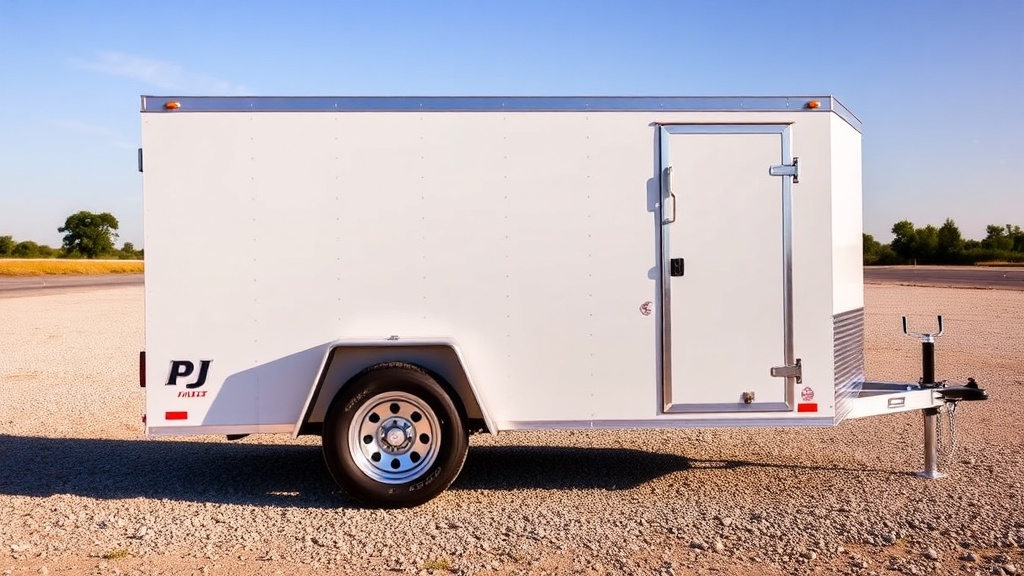
What Is the Correct Tire Pressure for a PJ Pacesetter 7×14 Trailer?
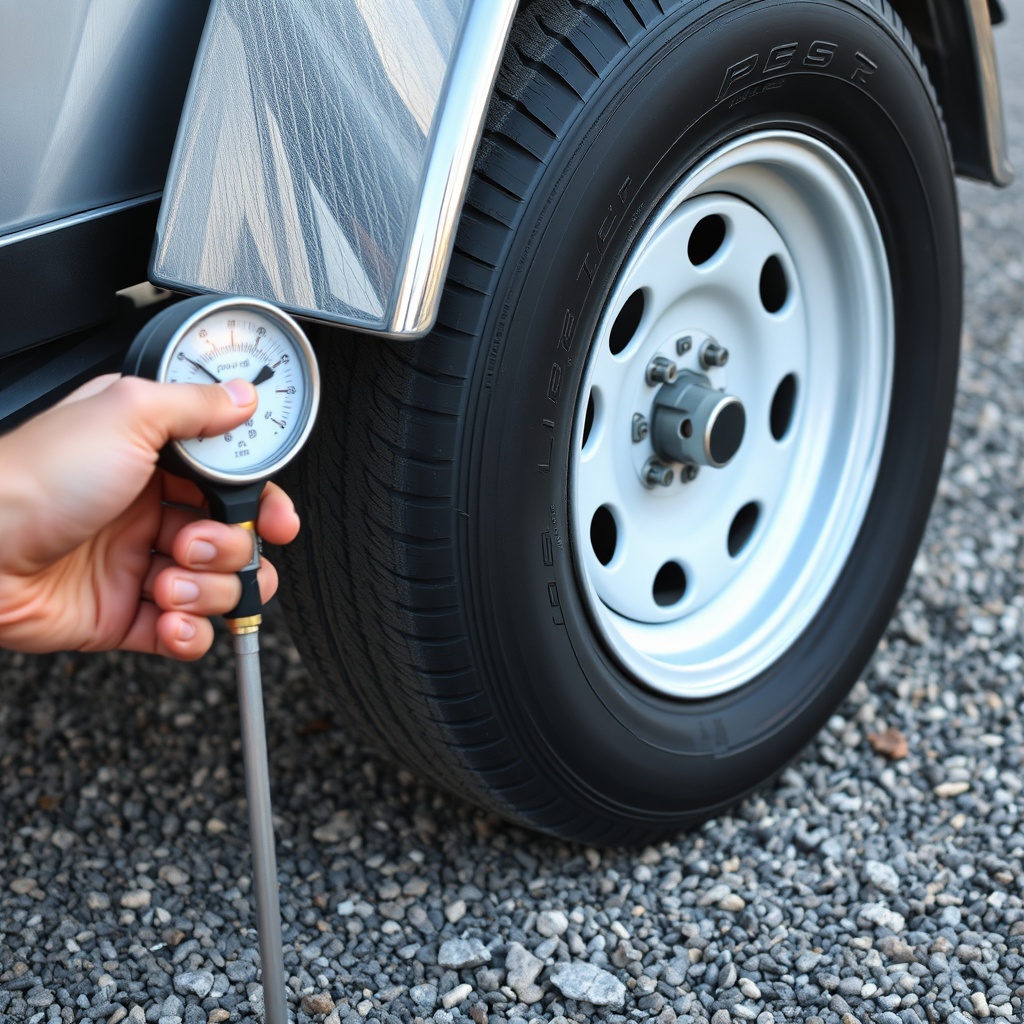
Getting the tire pressure right on your PJ Trailers Pacesetter 7×14 is critical for safety, tire life, and towing stability. Under-inflation leads to excessive heat buildup and potential blowouts, while over-inflation reduces traction and causes center tread wear. For the standard 205/75R15 load range E tires typically fitted to this model, the manufacturer recommends 80 PSI cold. This pressure supports the maximum load capacity of 2,540 pounds per tire at 65 mph. Always check pressure when tires are cold—meaning the trailer has not been moved for at least three hours—and use a dedicated tire pressure gauge rated for high PSI. Refer to your owner’s manual or the tire sidewall stamp for exact specs, as some Pacesetter builds use 225/75R15 or 16-inch wheel options.
What Is the Maximum Load Rating for PJ Pacesetter 7×14 Tires?
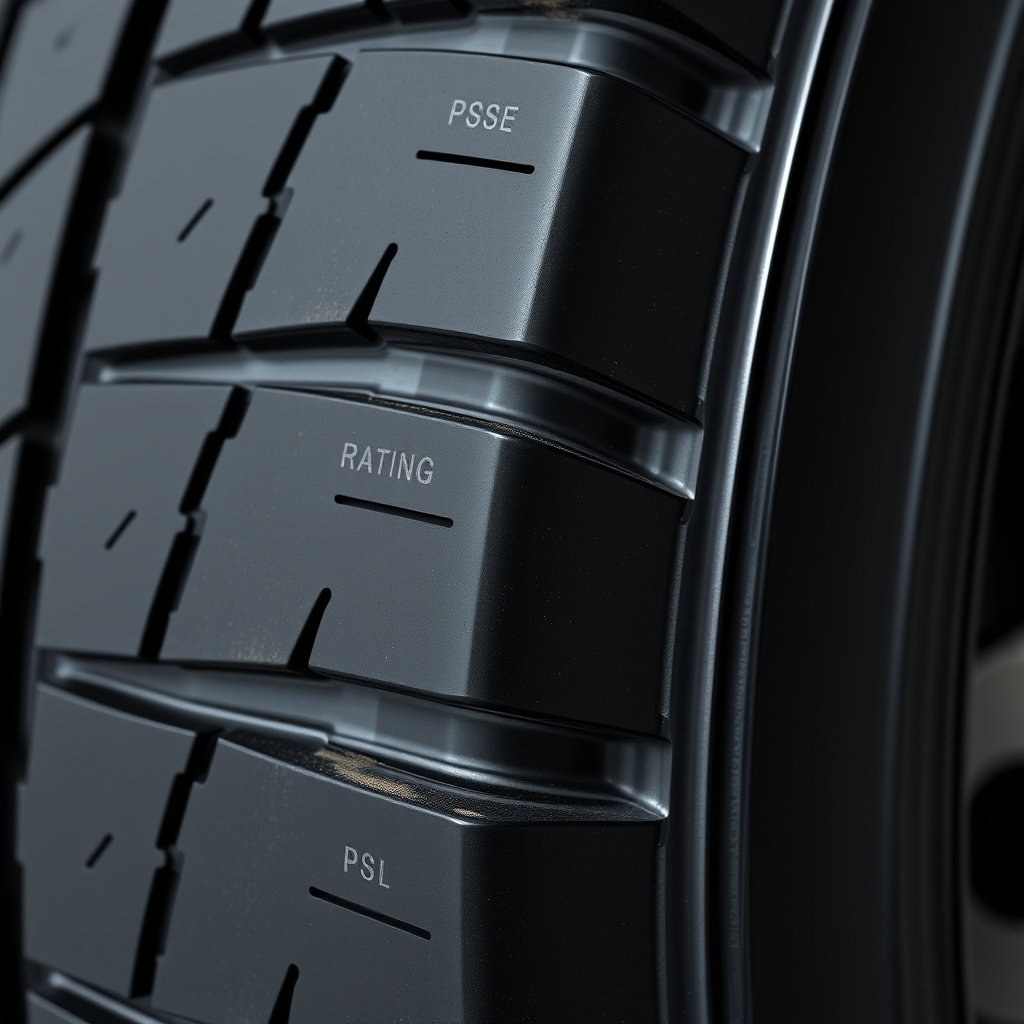
The load rating of your trailer tires directly determines how much cargo you can safely haul without risking tire failure. The stock 205/75R15 load range E tires have a maximum capacity of 2,540 pounds each at 80 PSI. With two tires on the axle, this gives a combined tire capacity of 5,080 pounds. However, the trailer’s Gross Vehicle Weight Rating (GVWR) for the 7×14 Pacesetter is typically 7,000 pounds, meaning the tires alone are not the only limiting factor—the axle, suspension, and frame also play roles. You must subtract the trailer’s empty weight (approximately 1,800 to 2,200 pounds depending on options) from the GVWR to find your net payload. For example, with a 2,000-pound empty weight, you can load up to 5,000 pounds of cargo. Never exceed the tire sidewall’s listed maximum load; doing so risks blowouts and voiding warranty. If you plan to haul heavier loads, consider a PJ Trailers Pacesetter 7×14 Axle Material and Suspension Analysis to see if your axle rating aligns.
| Parameter | Value |
|---|---|
| Standard Tire Size | 205/75R15 Load Range E |
| Recommended Cold Pressure | 80 PSI |
| Max Load per Tire (at 80 PSI, 65 mph) | 2,540 lbs |
| Total Tire Capacity (2 tires) | 5,080 lbs |
| Approximate GVWR | 7,000 lbs |
| Empty Trailer Weight (base model) | 1,800–2,200 lbs |
| Net Payload Range | 4,800–5,200 lbs |
How Often Should I Check Tire Pressure and Inspect for Damage?
For the PJ Pacesetter 7×14, check tire pressure before every trip, even short hauls. Temperature changes of 10 degrees Fahrenheit can alter pressure by about 2 PSI. Monthly inspections when the trailer is in storage help catch slow leaks. During each check, examine sidewalls for cuts, bulges, cracking, or uneven wear. Look at tread depth using a penny test—if you see Lincoln’s head fully, it’s time to replace. Also inspect valve stems for cracks and ensure metal valve caps are installed to prevent debris entry. Tires older than six years, regardless of tread, should be replaced due to rubber degradation. Keep a log of pressures and dates in a notepad or mobile app to spot trends that indicate balance or alignment issues, which may prompt a PJ Trailers Pacesetter 7×14 Suspension Upgrade Guide: From Leaf to Torsion review for more stable towing.
What Happens If I Overload the Tires on My Pacesetter 7×14?
Overloading is the fastest way to destroy tires and compromise safety. When cargo weight exceeds the tire’s maximum rating, sidewalls flex excessively, generating heat that can exceed 200 degrees Fahrenheit. This heat degrades rubber compounds, leading to tread separation or sudden blowouts—especially on highways at speed. On a Pacesetter 7×14, a blowout at 65 mph can cause severe trailer sway, potentially towing vehicle loss of control, and damage to the fender, wheel well, or axle. Additionally, overloading voids the warranty on tires and likely the trailer frame. Signs of previous overloading include bulging sidewalls, cracked tread grooves, or a “bubble” on the sidewall. To prevent, always weigh the trailer at a certified scale—most truck stops charge around $8–$12 USD. Distribute cargo evenly, favoring placement over the axle center. For advice on loading heavy items like motorcycles, see Motorcycle Hauling in the PJ Pacesetter 7×14: Interior Layout Tips.
Can I Upgrade to Higher Load Rating Tires on the Pacesetter 7×14?
Yes, you can upgrade tires to higher load ranges, but only if the rim and axle are compatible. The factory steel rims on most 7×14 Pacesetters are rated for up to 3,040 pounds per wheel with load range G tires (such as 225/75R16 or 235/80R16). Check the rim stamp—usually on the inside of the wheel—for the maximum PSI and load rating. If you upgrade to load range G tires at 110 PSI, you must ensure the axle is rated for the increased weight. The standard 5,200-pound leaf spring axle may handle the extra capacity, but a 7,000-pound GVWR trailer typically tops out there. If you plan to exceed that, discuss with PJ dealers or refer to Setting Up the PJ Pacesetter 7×14: Spring vs Torsion Bar Hookup Guide for understanding how suspension changes affect load distribution. Cost for a set of four load range G tires runs approximately $600 to $900 USD, plus mounting fees. Always consult the trailer’s VIN plate for maximum tire pressure and load limits—don’t exceed them without axle and frame reinforcement from the manufacturer.
What Do Owners Say About Tire Pressure and Load Issues?
Owners of the PJ Pacesetter 7×14 frequently report that maintaining 80 PSI cold on the stock tires yields stable towing even at maximum payload. One user on a popular trailer forum noted that after 18 months of weekly use hauling landscaping equipment, checking pressure before every trip eliminated all previously experienced blowouts. Another owner mentioned that upgrading to load range G tires allowed them to confidently haul 6,000 pounds of cargo without sidewall sagging, though they had to swap rims to handle 110 PSI. Several owners stress the importance of steel valve stems over rubber ones—rubber stems can flex and leak under high PSI over time. A common tip is to install Tire Pressure Monitoring System (TPMS) sensors ($150–$300 USD per set) to monitor real-time pressure and temperature directly from the cab. One negative report involved a factory tire failing at 70 PSI when loaded to 2,800 pounds per tire—this owner now runs 80 PSI and stays under 2,500 pounds per tire as a buffer. Overall, the consensus is that the Pacesetter 7×14 tires perform well when spec and load are respected, but proactive maintenance is non-negotiable. For long-term storage care, check the PJ Trailers Pacesetter 7×14 Winter Storage Preparation Guide to prevent flat spots and dry rot.
Frequently Asked Questions
1. What is the minimum tire pressure for towing a Pacesetter 7×14?
Do not tow below 70 PSI cold for load range E tires, as lower pressures significantly reduce load capacity and increase heat. The safe minimum is 80 PSI for full load.
2. Can I use passenger car tires on the Pacesetter 7×14?
No—passenger tires lack the sidewall strength for trailer loads and high PSI requirements. Always use trailer-specific tires (ST designation) with load range E or higher.
3. How do I know if my rims can handle higher pressure tires?
Look for a stamped rating on the rim’s inner surface, typically something like “MAX PSI 80” or “MAX LOAD 2540 LBS.” If you see a higher rating, you may upgrade, but verify axle capacity first.
4. Why does my trailer tire lose pressure after sitting for a week?
This is usually from a slow leak at the valve stem core or a small puncture. Apply soapy water to the stem and tread area to find bubbles. Also check the bead seal where tire meets rim—corrosion can cause seepage.
5. Is it okay to mix different tire brands on the same axle?
No—mixing brands with different load ratings, tread patterns, or rubber compounds causes uneven wear and potential sway. Always match both tires on an axle for size, load range, and pressure.
6. What is the cost to replace all four tires on a Pacesetter 7×14?
For load range E replacements, expect $400 to $700 USD total for four tires, plus mounting and balancing ($20–$40 per tire). Higher load ranges cost more, and TPMS adds extra. Factor this into yearly maintenance budgets.
7. Can I use nitrogen instead of air for the tires?
Yes, nitrogen reduces pressure loss due to smaller molecule size, but standard compressed air with a dry pump works fine. The cost of nitrogen fill (around $10–$20 per tire) is optional for most owners.
8. How should I store the trailer with tires inflated for winter?
Inflate to maximum sidewall pressure (80 PSI) to prevent flat spots. Place plywood sheets under tires to avoid ground contact. Check pressure monthly as cold weather drops PSI by about 1–2 PSI per 10°F drop. For more details, see the winter storage guide.
9. Does flooring material affect tire load distribution?
Not directly, but uneven flooring can concentrate loads on one tire. Ensure the floor is level and sound—check the PJ Trailers Pacesetter 7×14 Flooring Material Comparison: Plywood vs Aluminum to see how different materials handle weight concentration.
10. What’s the worst that can happen if I ignore tire pressure?
A blowout at highway speed can cause the trailer to jackknife, damaging the tow vehicle, trailer, and potentially causing a crash. Repair costs range from $200 for a tire replacement to thousands for structural damage to the fender, axle, and frame.