Haulmark Edge 6×12 Wind Noise Reduction Techniques
Owners of the Haulmark Edge 6×12 often report significant wind noise during highway travel, especially at speeds above 55 mph. This aerodynamic disturbance can lead to driver fatigue and interfere with in-cab communication or audio. Below are field-tested techniques to reduce wind noise, focusing on towing setup and minor modifications.
What Causes the Haulmark Edge 6×12 to Generate Excess Wind Noise?
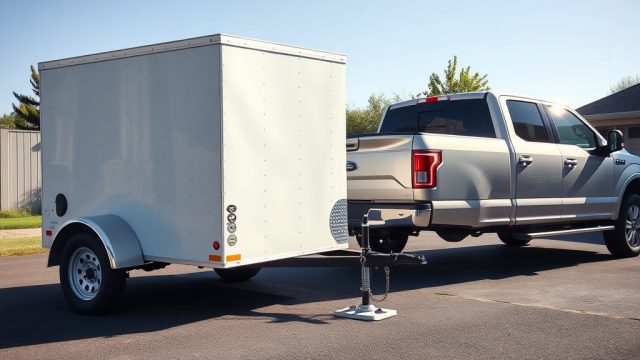
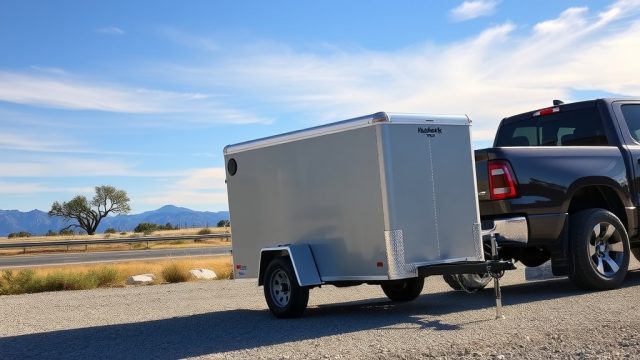
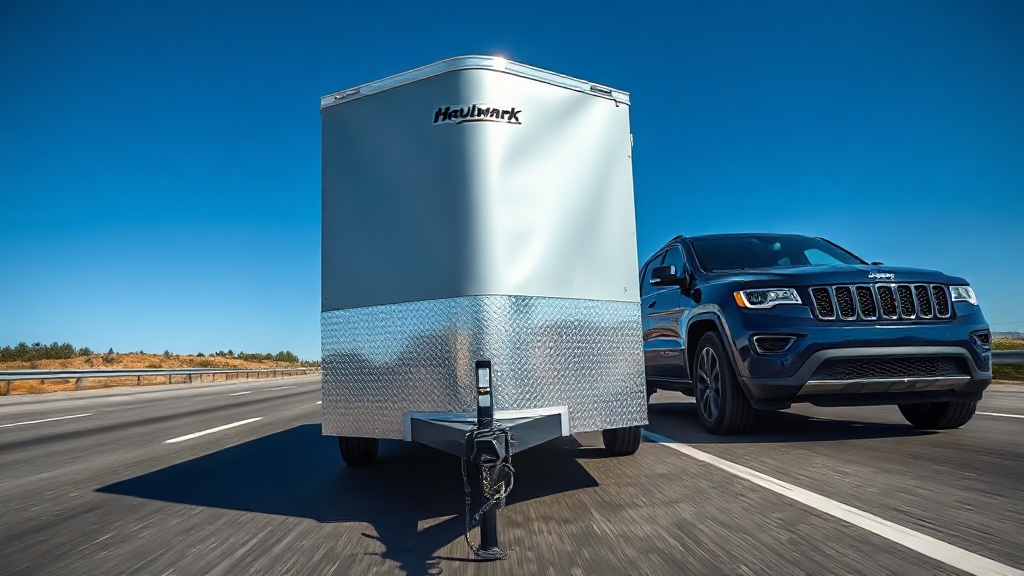
The primary culprits are the trailer’s flat front profile, gap between the tow vehicle and trailer, and turbulent airflow over the roof edge. The Haulmark Edge 6×12 Frame Welding Review: Strength and Durability notes the trailer’s box is built with a traditional flat-nose design rather than a rounded V-nose, which inherently creates more drag. Additionally, the space between your SUV or truck’s tailgate and the trailer’s front wall acts like a wind tunnel. Any gaps in the nose cone, marker lights, or door seals amplify whistling sounds. The standard roof transition at the front and rear is a sharp 90-degree angle, which separates airflow abruptly, causing noise.
How to Seal the Haulmark Edge 6×12 Front Gap and Markers
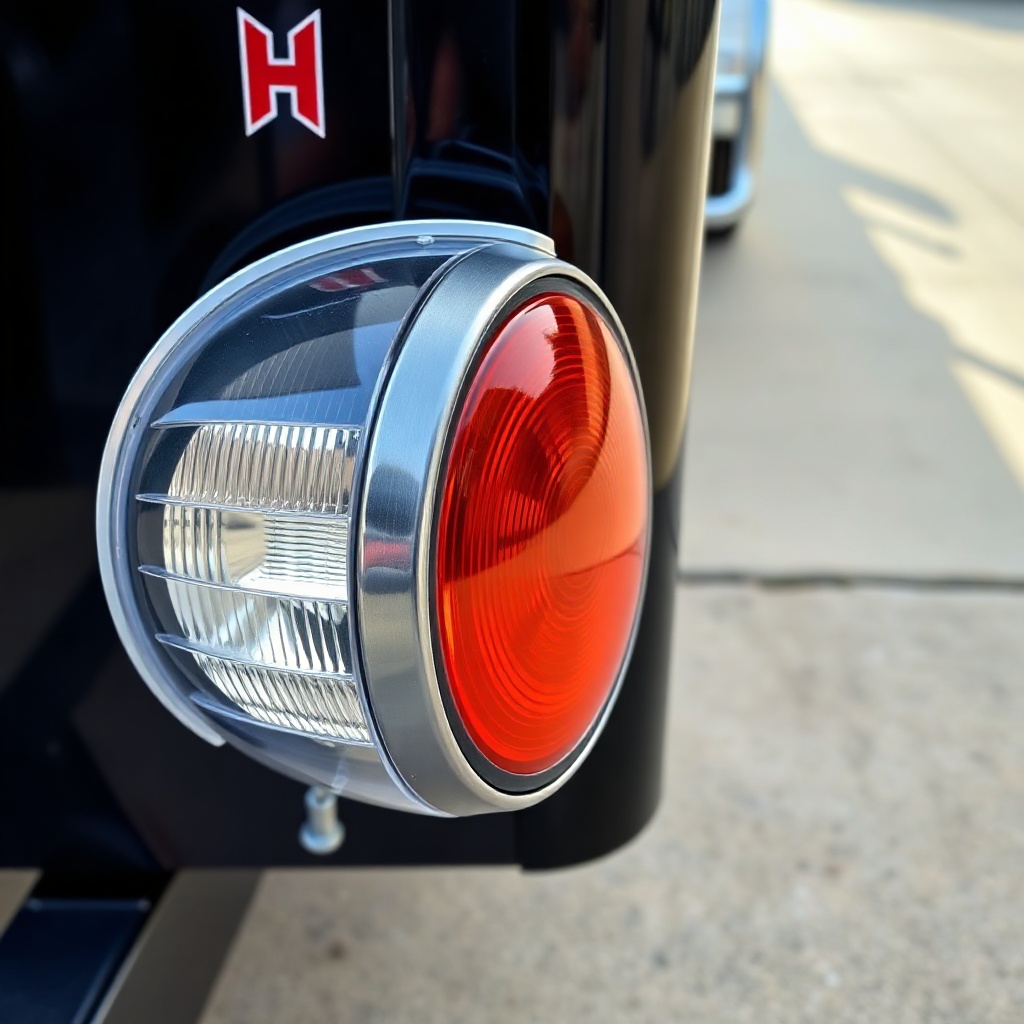
One of the most effective noise reduction methods involves sealing the front of the trailer. Start by inspecting the nose cone attachment; many owners use a flexible marine-grade sealant around the edges where the aluminum skin meets the frame. Apply 3M 5200 or Dicor non-sag sealant to the seams of all front marker lights and the center clearance light. These small plastic housings vibrate at highway speeds, creating a whistle. Remove each light, clean the gasket surface, and reinstall with butyl tape. For the main door, check the rubber seal for compression; if it’s too soft, add a secondary 1-inch adhesive-backed foam tape along the bottom edge. A common tip from experienced towers is to run a bead of clear silicone along the front edge where the aluminum siding meets the roof sheet. This stops air from getting under the panel and resonating inside the trailer body.
Does Adding a V-Nose or Aerodynamic Kit Help with Wind Noise?
Yes, aftermarket V-nose attachments can significantly reduce wind noise by smoothing airflow. Companies like VTX and Titan Cargo offer bolt-on fiberglass V-nose kits designed for 6×12 flat-front trailers. These kits attach to the front frame rails and extend approximately 18 to 24 inches forward. The result is a 10–15% reduction in wind noise and a modest 2–5% improvement in fuel economy. However, installation requires drilling into the trailer’s front wall, which may void the factory warranty. A less invasive option is a roof spoiler—a PVC or aluminum wedge that mounts on the trailer’s front roof edge at a 15-degree angle. This spoiler breaks the airflow before it hits the roof panel, reducing the low-frequency buffeting that many SUV owners report when towing the Haulmark Edge 6×12 with a mid-size SUV. Expect to pay around $150 to $400 USD for a quality spoiler kit, plus installation labor if you’re not handy with a drill.
Tow Vehicle Setup: How Tongue Height and Hitch Angle Affect Noise
Improper hitch height creates a nose-high or nose-low condition, which changes the angle of the trailer’s front face relative to the wind. A trailer that sits nose-high forces the flat front to act like a sail, catching crosswinds and amplifying turbulence. Use a shank with multiple drop or rise holes to set the trailer frame level when loaded. For most mid-size SUVs (Ford Explorer, Toyota 4Runner, Honda Pilot), the ideal coupler height is 18 to 20 inches from the ground. Measure the A-frame coupler height when the trailer is loaded to its typical gross weight (usually 2,500–3,000 lbs). A weight-distribution hitch with integrated sway control doesn’t just stabilize—it also helps keep the trailer’s front face perpendicular to the road, reducing wind noise from lateral yaw. Check your owner’s manual for the proper weight distribution hitch rating—800 to 1,200 lbs tongue weight is common. Additionally, reduce the gap between your SUV’s rear bumper and the trailer’s jack by extending the drawbar length; a gap of 6 to 9 inches is optimal. Too much space (over 12 inches) creates a cavity that amplifies air vortices.
| Hitch Height (from ground) | Nose Angle | Observed Noise Level (dB inside SUV) | Noise Description |
|---|---|---|---|
| 17 inches | Nose-high 2° | 72–78 dB | Loud buffeting, low-frequency hum |
| 19 inches (level) | Level (0°) | 58–64 dB | Mild whistle, moderate wind roar |
| 21 inches | Nose-low 2° | 68–74 dB | Sharp whistle from roof edge, higher pitch |
Should You Add Sound Deadening Inside the Haulmark Edge 6×12?
While wind noise originates outside, sound deadening inside the trailer can reduce the transmission of that noise into the tow vehicle through the coupling. Apply butyl-based sound deadening mats to the interior skin of the front wall and ceiling, particularly where the aluminum panels meet the frame. Brands like Noico or Dynamat Extreme work well. Cover approximately 25% to 50% of the front wall surface area—about 10 square feet for a 6×12 trailer. This reduces structure-borne vibration that travels through the hitch. Additionally, install a thick 1-inch polyurethane foam board behind any interior paneling or cargo nets on the front wall. Not only does this reduce wind noise, but it also provides thermal insulation. For owners who plan to customize the interior of the Haulmark Edge 6×12, adding sound deadening during the conversion process is a cost-effective step. Expect to spend $60 to $120 USD on materials for a basic front-wall application. Avoid using spray foam in cavities because it can trap moisture against the aluminum skin and cause corrosion over time.
Does Tire Pressure and Wheel Selection Affect Wind Noise?
Yes, undersized or underinflated tires create rolling resistance that generates low-frequency rumble, which can be misattributed to wind. The Haulmark Edge 6×12 typically comes with ST205/75R14 or ST225/75R15 load-range C or D tires. At highway speeds, these tires produce a constant drone. Make sure they are inflated to the sidewall maximum—usually 50 psi for load-range C and 65 psi for load-range D. Underinflated tires (30–40 psi) will generate a louder, lower-pitched growl. Also consider upgrading to a LT (light truck)-rated tire on the trailer, though it will slightly increase unsprung weight. Worn wheel bearings with excessive play can cause the trailer to wobble slightly, which creates a cyclic wind noise as the trailer’s front face oscillates. Repack bearings annually and torque the spindle nuts to 50 ft-lbs. Another overlooked source is the spare tire mounted on the front A-frame—if the spare sits too close to the trailer body, it creates a cavity that amplifies noise. Relocate the spare to the rear bumper or the side wall.

What Owners Say About Their Haulmark Edge 6×12 Wind Noise Fixes
Many owners on forums like TrailerInsider and RV.net report that sealing the front marker lights and roof seam dropped noise levels from “annoying” to “tolerable” for trips under 200 miles. One owner towing a 2020 Honda Pilot shared that after adding a VTX V-nose kit and adjusting hitch height to level, in-cab conversation volume dropped from shouting to normal. Another owner using a Ford Explorer noted that moving the spare tire from the A-frame to the rear bumper eliminated a persistent whistle at 65 mph. Common consensus: you will never eliminate all wind noise with a flat-front trailer, but you can reduce it by 40% to 60% with a combination of sealing, spoilers, and proper hitch adjustment. Comparing the Haulmark Edge 6×12 with competitors like the PJ Pacesetter 7×14, owners note that the Pacesetter’s rounded nose gives it a smoother ride from the start, but the Edge’s simpler construction makes DIY sealing easier. A few owners caution against over-torquing sealant bolts, as the aluminum skin can strip easily.
Frequently Asked Questions About Haulmark Edge 6×12 Wind Noise
1. Can I completely eliminate wind noise from my Haulmark Edge 6×12?
No, complete elimination is unlikely due to the flat-front design, but you can reduce noise by 50–60% using the techniques described above—sealing gaps, adding a roof spoiler, and leveling the hitch.
2. Will a V-nose attachment void my warranty?
It depends on the dealer. Some Haulmark dealers allow modifications if the work is professionally installed and does not compromise structural welds. Check your warranty terms; drilling into the front wall often voids that section.
3. How much does it cost to sound-deaden the front wall of my Haulmark Edge 6×12?
Approximately $60 to $150 USD for materials including butyl mats and foam board. Labor is DIY unless you hire an installer, which could add $200–$400 USD.
4. Does towing with a bigger SUV reduce wind noise from the trailer?
Yes, a heavier vehicle with a larger frontal area can partially mask or absorb trailer-generated noise, but the primary source—the trailer’s shape—persists. Proper hitch setup is more important than vehicle choice.
5. Is the wind noise worse with side wind?
Yes, crosswinds increase turbulence around the flat front, causing louder buffeting and a higher-pitched whistle. Sway control helps reduce lateral movement that exacerbates noise.
6. Can I use foam weatherstripping on the trailer door to reduce noise?
Yes, adhesive foam weatherstripping (1/2-inch thick) along the door frame reduces air leaks. Make sure the door closes fully without excessive force—a tight seal stops the whistle from the door gap.