Haulmark Edge 6×12 vs. PJ Pacesetter 7×14: Which Cargo Trailer Wins?
When you’re ready to invest in a cargo trailer, the choice often narrows down to size versus durability. The Haulmark Edge 6×12 and the PJ Pacesetter 7×14 represent two very different approaches—one prioritizing easy towing with a mid-size SUV, the other offering more cubic feet for heavy hauling. This buying guide compares their real-world specs, build quality, and ownership experiences so you can pick the right one for your needs.
Q1: How Do the Frame and Build Quality Compare?
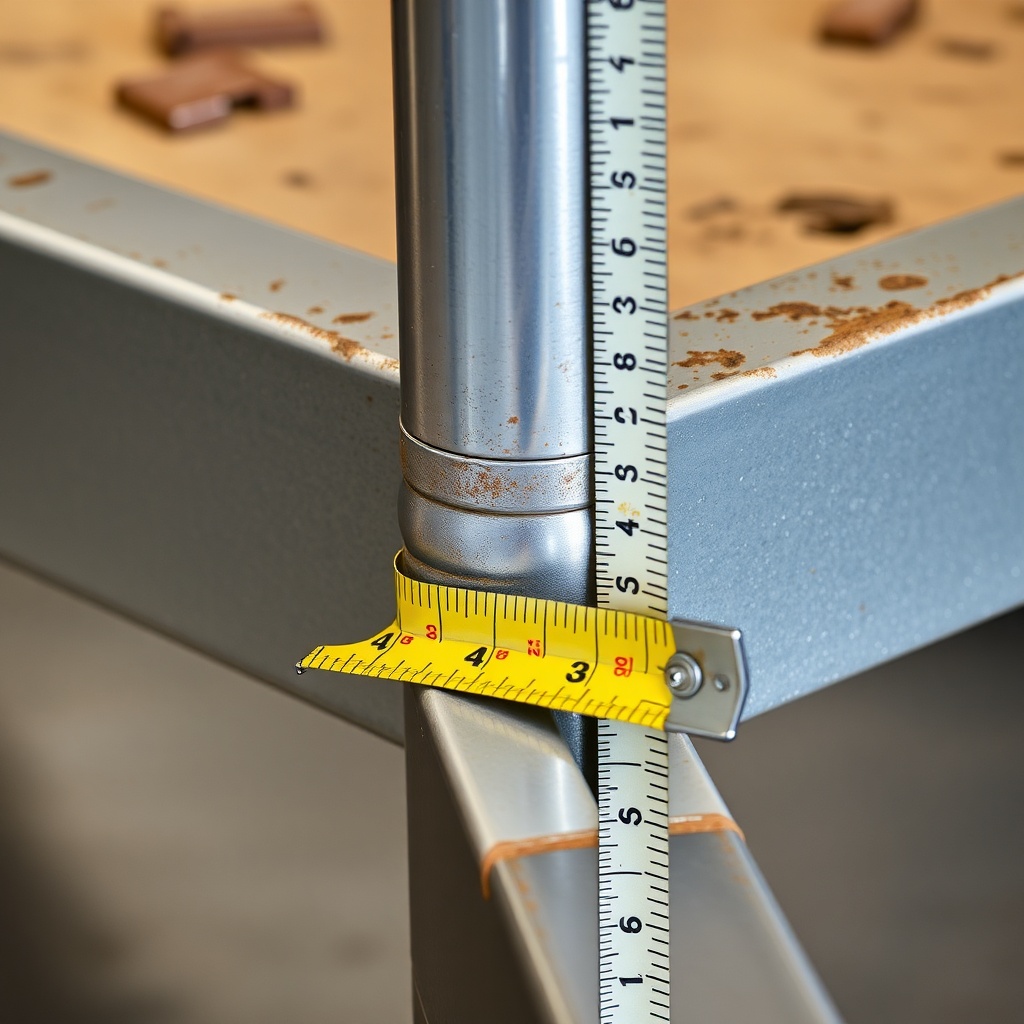
The Haulmark Edge 6×12 Frame Welding Review: Strength and Durability confirms that the Edge uses a fully welded, 2-inch A-frame tongue with 14-gauge steel tube construction. The sidewalls are 5/8-inch plywood laminated between aluminum skins, which provides good rigidity without excessive weight. The PJ Pacesetter, on the other hand, employs a heavier 2×2-inch tube frame with 1/2-inch plywood walls and aluminum exterior. While the PJ’s frame is beefier, the added weight (around 1,500 lbs empty for the 7×14 versus roughly 1,200 lbs for the Haulmark 6×12) can affect fuel economy and tongue load. For general-purpose hauling, the Haulmark’s lighter frame is easier to handle, but if you plan to carry heavy machinery, the PJ’s sturdier chassis might be worth the extra towing demands.
Q2: Which Offers Better Towing Stability with a Mid-Size SUV?
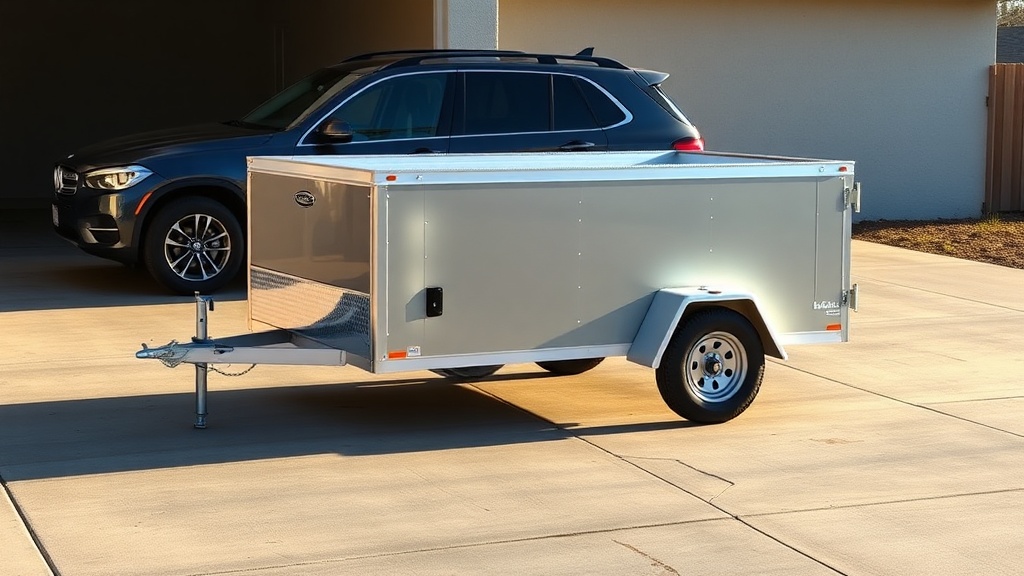
For most owners, the Haulmark Edge 6×12 tows remarkably well with a mid-size SUV like a Ford Explorer or Toyota 4Runner, provided you respect the 3,500+ GVWR limit. The 6×12’s single-axle setup (usually a 5,200-lb rated torsion axle) keeps the trailer at a manageable 1,200 lbs dry, allowing a tongue weight of 10-15% of loaded weight. The PJ Pacesetter 7×14, with its dual-axle design and heavier empty weight, requires a more capable tow vehicle—ideally a full-size truck or large SUV like a Suburban. The dual axles increase stability at highway speeds but add rolling resistance and a larger turning radius. Towing the Haulmark Edge 6×12 with a Mid-Size SUV: Stability and Tips details how proper weight distribution and a weight-distributing hitch can improve handling even with the Edge. In short, if your daily driver is a mid-size SUV, the Haulmark Edge is the more practical choice; the PJ Pacesetter will push your tow vehicle’s limits.
Q3: What Are the Real Interior Dimensions and Carrying Capacity?
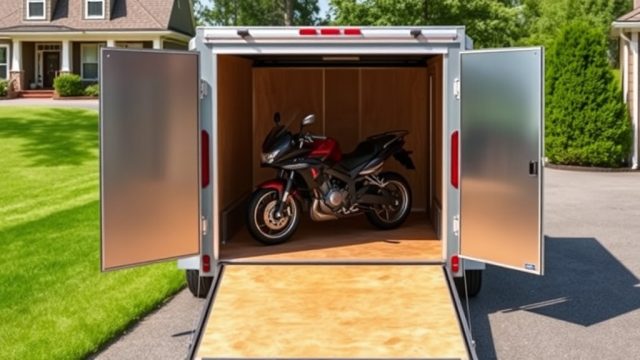
The Haulmark Edge 6×12 offers 6 feet 1 inch of interior width and 12 feet of floor length, with 5 feet 10 inches of center height. That gives you roughly 420 cubic feet of cargo space. The PJ Pacesetter 7×14 is noticeably larger: 7 feet wide, 14 feet long, and 6 feet 2 inches of interior height, yielding about 600 cubic feet of space. However, the PJ’s larger interior often tempts owners to overload the trailer. The Haulmark’s GVWR is typically 3,500 lbs for single-axle models, while the PJ 7×14 runs a 7,000 lb GVWR with dual axles. For a moving enthusiast or contractor carrying furniture and tools, the PJ’s extra room is obvious. For a weekend camper or motorcycle hauler, the Haulmark Edge’s more compact interior is easier to organize and costs less to insure.
| Specification | Haulmark Edge 6×12 | PJ Pacesetter 7×14 |
|---|---|---|
| Interior Length | 12 feet | 14 feet |
| Interior Width | 6 ft 1 in | 7 ft |
| Interior Height | 5 ft 10 in | 6 ft 2 in |
| Cubic Feet | ~420 cu ft | ~600 cu ft |
| Dry Weight | ~1,200 lbs | ~1,500 lbs |
| GVWR | 3,500 lbs | 7,000 lbs |
| Axle Type | Single torsion | Dual leaf spring |
| Base Price (2025 USD) | $5,800 | $9,200 |
Q4: Which Is Better for Interior Customization and Livability?
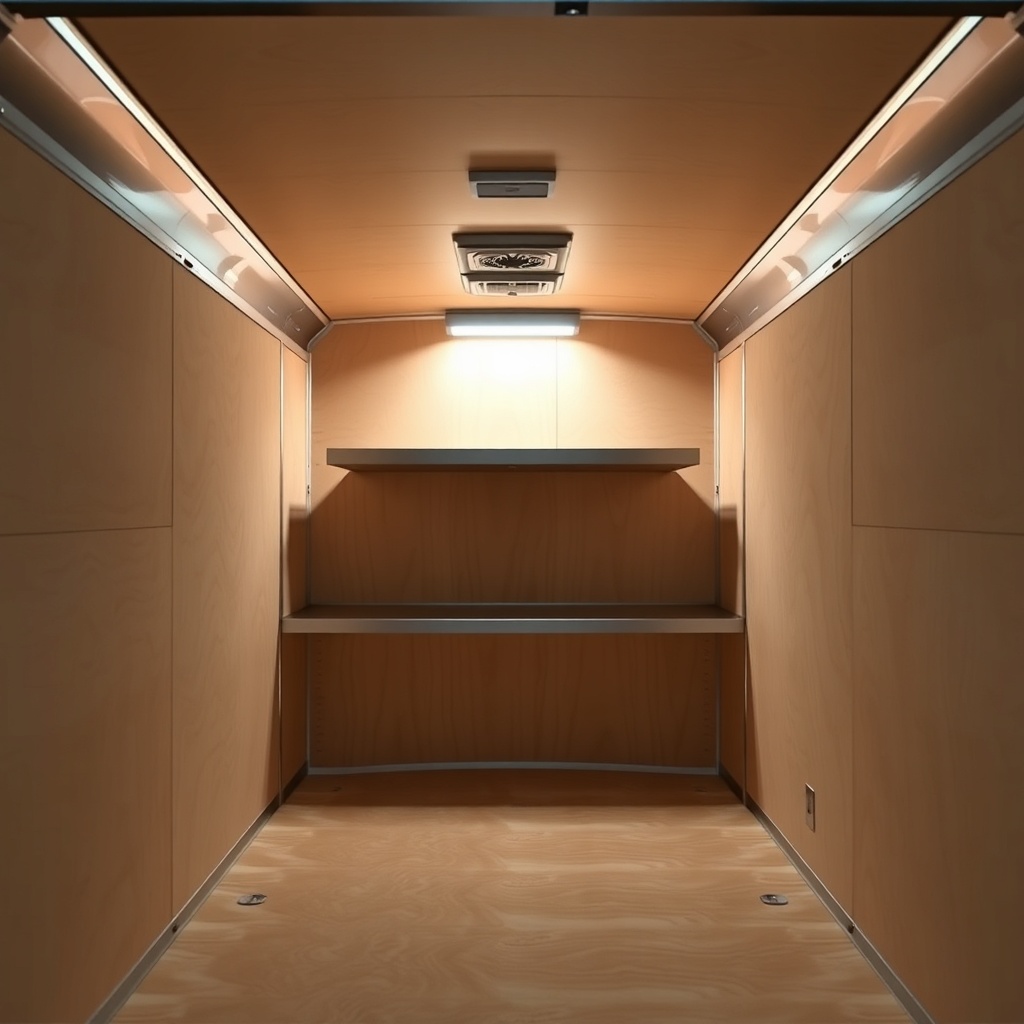
The Haulmark Edge 6×12 is a favorite among DIY converters because its interior is a blank slate: bare plywood walls and aluminum roof, with optional pre-wired LED lights and a roof vent. Owners frequently add cabinets, fold-down bunks, or a simple kitchenette. Best Interior Customizations for the Haulmark Edge 6×12 Cargo Trailer covers how to install insulation, flooring, and electrical systems in this model. The PJ Pacesetter 7×14 also starts as a cargo shell, but its taller sidewalls and dual axles require heavier-duty shelving and support. The PJ’s 6-foot-2-inch interior height means a standing person shorter than 6 feet can move around comfortably, while the Haulmark’s 5-10 height is fine for seated work. For camping conversions, the PJ’s extra width allows a full-size bed across the back, but the Haulmark’s lighter weight means you can tow it with a smaller vehicle, saving fuel money on long trips.
Q5: How Do the Doors, Windows, and Accessories Differ?
Standard on the Haulmark Edge 6×12 is a ramp-style rear door (4×5 feet), a side man door with a full-height offering, and one roof vent. The PJ Pacesetter 7×14 comes with a 54×78-inch rear ramp door, a side entry door, and two roof vents—plus a side window as standard. For loading ATVs or motorcycles, the Haulmark’s ramp is adequate, but the PJ’s longer ramp (typically 54×84 inches) makes heavy equipment loading easier. Both trailers offer optional side windows, but the PJ includes a standard window while the Haulmark lists it as an extra. Overhead, the PJ’s dual vents provide better passive airflow for camping, while the single vent on the Edge requires a powered fan for effective ventilation. If you want to add a hitch-mounted cargo carrier or a roof rack, the Haulmark’s lighter structure is less accommodating than the PJ’s sturdier frame.
Q6: Are There Any Long-Term Durability Concerns?
Owner reports suggest the Haulmark Edge 6×12’s aluminum exterior holds up well to UV exposure and light scratches, but the 14-gauge frame can show surface rust if the trailer isn’t undercoated. The PJ Pacesetter, with its heavier steel frame, tends to rust faster if the paint chips—many owners add a rubberized undercoat within the first year. Tire wear on the Haulmark’s single axle is straightforward; on the PJ’s dual axles, uneven tire wear is more common if the axles aren’t aligned perfectly. Overall, the Haulmark edge requires less maintenance in corrosive environments, but the PJ’s dual-axle system gives you peace of mind if a tire blows on the highway (you can limp home on three tires). Neither trailer is rust-proof, but with annual waxing and wheel bearing maintenance, both last 10+ years.
What Owners Say
Cargo trailer owners who have used both models share consistent feedback. One contractor who upgraded from a 6×12 Haulmark to a 7×14 PJ noted, “I loved the Edge for light hauling and fuel savings, but I needed the extra width for drywall sheets.” Conversely, a camper familiar with the PJ explained, “the 7×14 is great for a weekend family setup, but it’s overkill for solo trips. My buddy’s Haulmark Edge is perfect for his motorcycle and a cot.” Common praises for the Haulmark Edge include its easy towing with a Toyota Highlander and the simple interior that’s a blank canvas. PJ Pacesetter owners highlight the generous interior height and the confidence of dual axles.
Frequently Asked Questions
Can I tow a Haulmark Edge 6×12 with a Honda CR-V?
Yes, if your CR-V is equipped with the factory towing package and the trailer weight is kept under 1,500 lbs loaded. The Haulmark Edge 6×12 weighs about 1,200 lbs dry, leaving 300 lbs for cargo, which is tight but doable for light camping gear.
What is the maximum cargo weight for the PJ Pacesetter 7×14?
The PJ Pacesetter 7×14 has a GVWR of 7,000 lbs and an empty weight of around 1,500 lbs, giving you a maximum cargo capacity of 5,500 lbs. That’s enough for a small car or heavy tools.
Does the Haulmark Edge 6×12 come with a spare tire?
Most models include a spare tire mounted on the A-frame or rear door, but check with your dealer—some 2025 builds require a separate purchase. The PJ Pacesetter typically includes a spare tire as standard.
Is the Haulmark Edge 6×12 tall enough to stand up in?
With a 5-foot-10-inch interior height, most people under 5’8″ can stand upright. Taller users will need to stoop. The PJ Pacesetter’s 6’2″ height allows average-height adults to stand comfortably.
What is the warranty on the PJ Pacesetter 7×14?
PJ Trailers offers a one-year limited warranty on materials and workmanship, with a separate warranty on the axles (typically 5 years). Haulmark provides a similar one-year structural warranty on the Edge series.
Can I install a roof AC unit on a Haulmark Edge 6×12?
Yes, but only if you order the roof reinforcement package. The standard roof can’t support the weight of a rooftop air conditioner. On the PJ Pacesetter 7×14, the standard roof can handle up to 150 lbs, enough for most 13,500-BTU units.