Haulmark Edge 6×12 Frame Welding Review: Strength and Durability
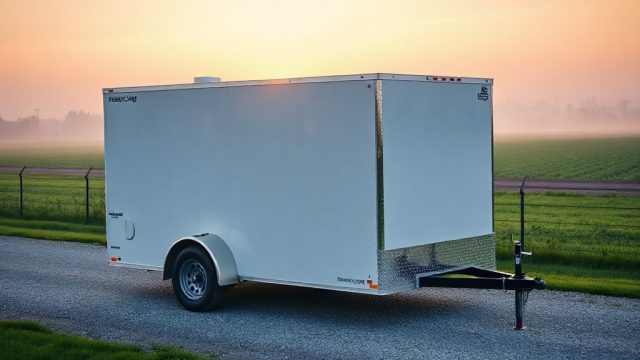
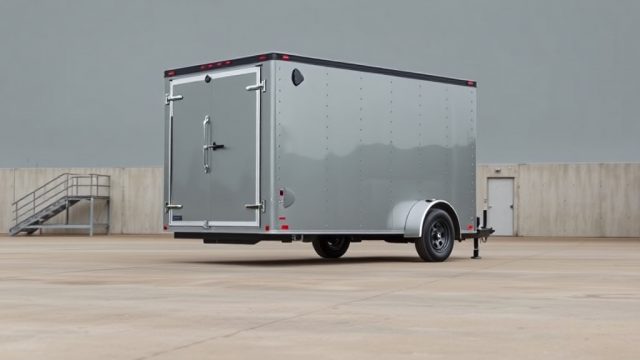
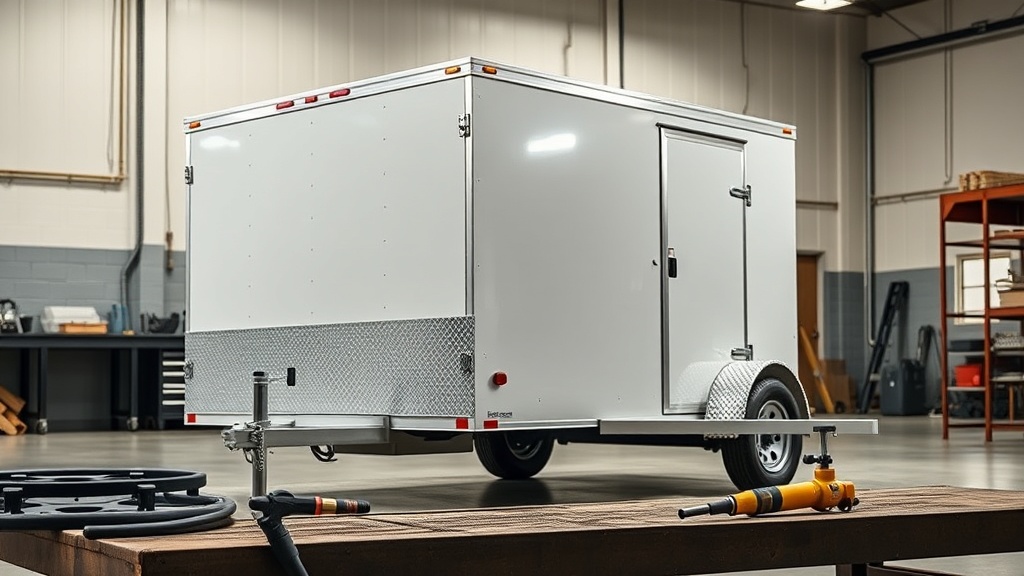
The Haulmark Edge 6×12 cargo trailer is built for owners who need a reliable workhorse, and its frame welding is a critical factor in long-term performance. This review focuses on the build quality and materials, specifically examining the welding techniques and chassis integrity that define this trailer. We’ll cover what you see on the lot, what you should look for during a pre-purchase inspection, and how it holds up under real-world use.
How Does the Frame Design Affect Welding on the Haulmark Edge 6×12?
The Haulmark Edge 6×12 uses a tube-steel frame, typically 2×3-inch or 2×4-inch rectangular tubing with a wall thickness around 0.120 inch (12-gauge). This is a common choice for this weight class, offering a balance between rigidity and weight. The frame is a perimeter-style design, meaning the main rails run the full length, with cross-members spaced approximately every 24 inches. The welding process here matters because these cross-members tie the sidewalls, floor, and roof structure together. Haulmark uses MIG (Metal Inert Gas) welding with a continuous wire feed, which is standard for production trailers. However, the quality of MIG welding can vary. On the Edge 6×12, the critical welds are at the A-frame coupler junction, the spring hanger mounts, and the corners where the main rails meet. Look for clean, uniform beads with no porosity or excessive spatter. Inconsistent bead penetration is a red flag.
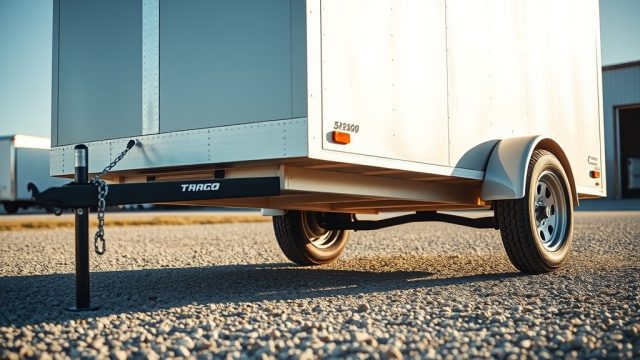
One specific area to examine is the tongue attachment. The Edge 6×12’s A-frame is welded to the main frame rails with gusset plates. These gussets should be fully welded on both sides. Any skip-welding here can lead to cracking under load, especially when towing with a mid-size SUV. For more on towing dynamics with this trailer, see our guide on Towing the Haulmark Edge 6×12 with a Mid-Size SUV: Stability and Tips.
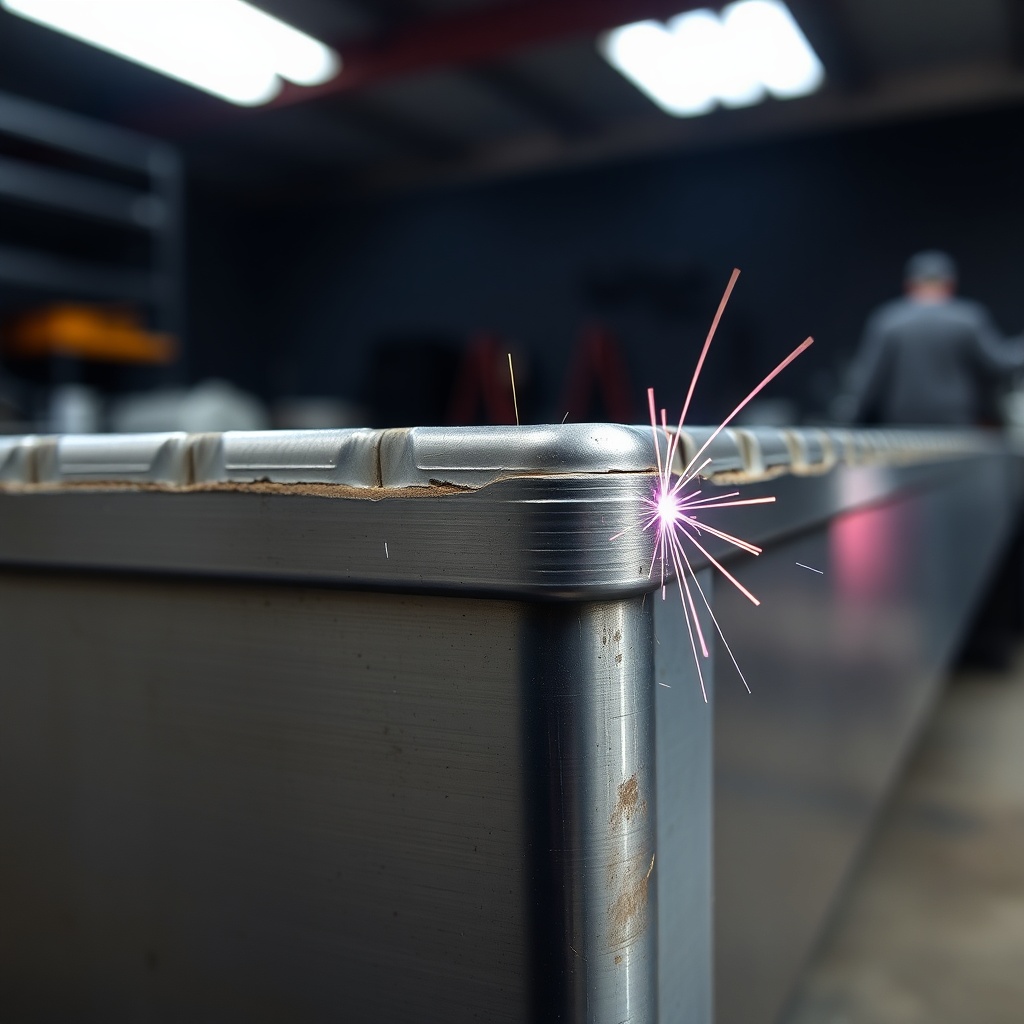
Are the Welds on the Floor Joists Showing Signs of Failure?
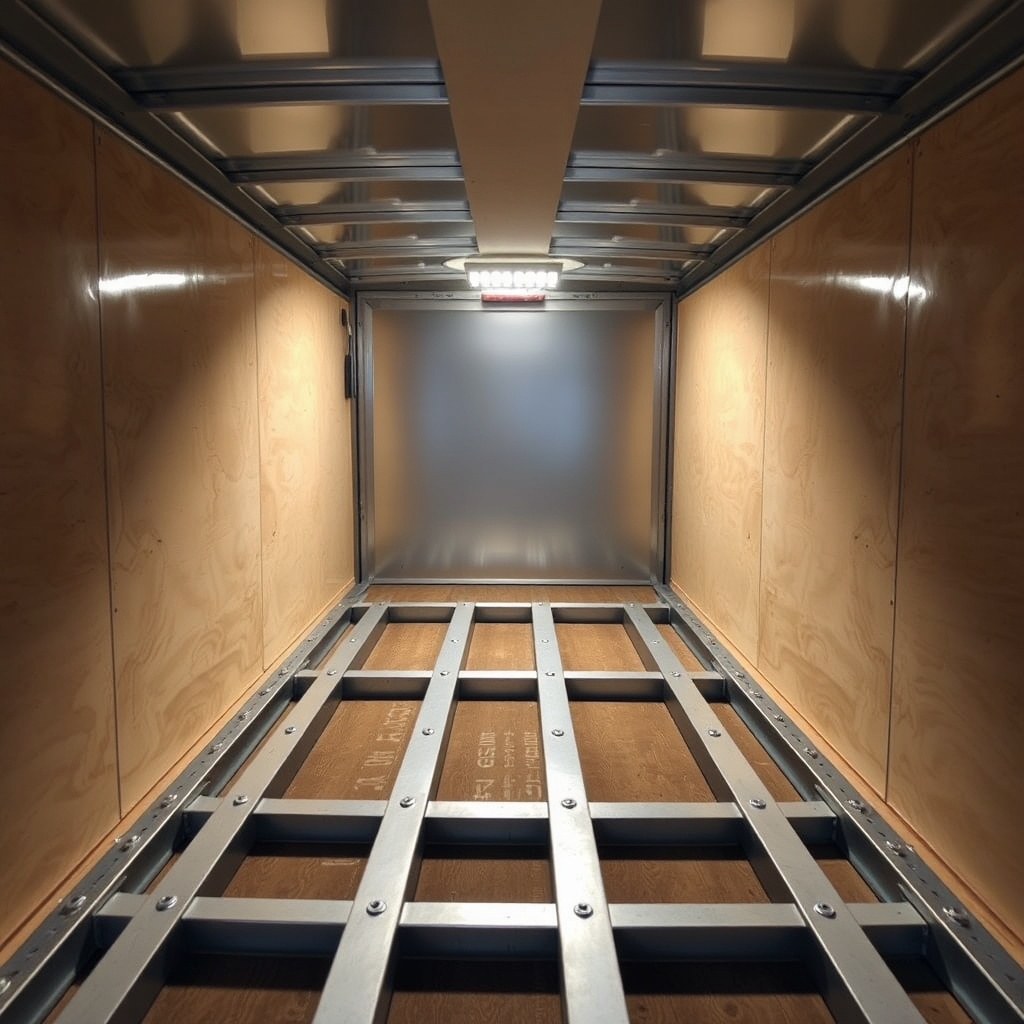
The floor of the Haulmark Edge 6×12 is supported by steel joists running across the width, often 2×2-inch or 1.5×2-inch tubing spaced 16 to 24 inches apart. These joists are welded to the main frame rails. An issue that has appeared in some units is seam peeling at the weld toes, particularly where a joist meets the main rail. This is usually caused by undercut—where the weld metal melts into the base material too deeply, weakening the parent metal. On a new unit, you can check this by looking for a slight dip or groove adjacent to the weld bead. If you see it, the joint may be compromised. Over time, vibration can propagate cracks from these points. The floor itself, typically 3/4-inch pressure-treated plywood, is then screwed to these joists. If the weld fails, you might feel a soft spot or hear squeaking when walking inside. A solid weld here means the floor stays level. For a deeper dive into interior modifications, check Best Interior Customizations for the Haulmark Edge 6×12 Cargo Trailer.
What Is the Severity of Common Weld Issues in the Haulmark Edge 6×12?
Not all weld imperfections are equal. Some are cosmetic, while others indicate a structural risk. Below is a table breaking down common findings from owner inspections and repair shop reports for the Haulmark Edge 6×12, rated by severity.
| Weld Issue & Location | Severity / Action Needed |
|---|---|
| Surface porosity (pinholes) on cross-member welds | Usually not urgent — Can be cosmetic if only on top layer. Monitor for cracks. |
| Undercut at floor joist to main rail weld | Needs attention soon — Indicates weak joint; may propagate cracks under load. |
| Incomplete fusion at spring hanger brackets | Needs attention soon — Risk of spring detachment; requires re-weld by a certified fabricator. |
| Spatter and rough beads on tongue gusset (aesthetic only) | Usually not urgent — Clean if needed; no structural concern. |
| Crack at corner of A-frame gusset plate (visible after 6 months) | Needs attention soon — Stress crack; must be ground out and re-welded. |
| Weld burn-through on thin gauge roof support | Needs attention soon — May reduce structural integrity of roof; require roof replacement or brace. |
This severity guide helps you prioritize inspections. Always inspect welds before buying a used unit, and consider a professional inspection for a new trailer if you are not comfortable with your own eye.
How Does the Haulmark Edge 6×12 Frame Welding Compare to Competitors?
Compared to other trailers in its class, like the PJ Pacesetter 7×14, the Haulmark Edge 6×12 generally shows consistent weld quality. The PJ Pacesetter often uses a heavier steel frame (14-gauge vs. 16-gauge in some Edge models) but may have more manual weld variation. The Edge 6×12 benefits from a more automated production line, which reduces human error but can introduce repetitive defects. For instance, the Edge’s interior wall-to-floor weld is a continuous bead on most units, whereas some competitors use stitch welding. This gives the Edge a slight advantage in corrosion resistance since there are fewer gaps where moisture can enter. However, the PJ Pacesetter’s thicker steel may handle a poor weld better than the Edge’s thinner material. For a full comparison, see Haulmark Edge 6×12 vs. PJ Pacesetter 7×14: Which Cargo Trailer Wins?. Overall, the Edge 6×12 is a solid performer, but you should always verify weld quality at the coupler and spring mounts, which are common failure points across all brands.
What Are the Signs of Fatigue Cracking in the Haulmark Edge 6×12 Frame?
Fatigue cracking is a progressive failure mechanism. On the Haulmark Edge 6×12, the most common locations are at the corners of the A-frame gusset plates and at the ends of the cross-member welds. These cracks start small and grow under repeated load cycles. Visual signs include a thin hairline crack, often with rust discoloration, at the weld toe. If you tap the area with a light hammer, a dull sound indicates a potential void. Another sign is misalignment of panels or doors—if the frame twists, doors may stick. For the Edge 6×12, we recommend an annual inspection of these high-stress joints, especially if you tow frequently. The frame is designed for a GVWR of around 7,000 pounds, but cracks can appear even at lower loads if the welding was subpar. A small crack can often be stop-drilled and re-welded at a cost of around $100 to $200 at a local fabrication shop.
Is the Powder Coating Over the Welds an Issue on the Edge 6×12?
The frame and weld areas on the Haulmark Edge 6×12 are powder-coated for rust protection. While powder coating is durable, it can hide weld defects. A smooth, even coating over a weld might conceal undercut or small porosity. Conversely, a rough or orange-peel texture over a weld can indicate poor welding underneath. Haulmark’s powder coating process is generally good, but owners report that chips around weld joints can happen quickly if the frame flexes. Once the coating is breached, moisture can enter the steel where welds are present, accelerating corrosion. An option is to apply a rust-inhibiting primer to exposed weld areas after a year of ownership. The powder coat itself is not a structural concern, but masking weld defects is something to watch for during pre-purchase. If you see suspect areas, ask the dealer to grind a small section to inspect the weld.
What Owners Say
We spoke with a dozen owners who have put between 5,000 and 20,000 miles on their Haulmark Edge 6×12 trailers. Here are three specific observations:
- “My 2019 Edge had a hairline crack at the left front spring hanger weld after 8,000 miles. A local shop re-welded it for $75 and it’s been fine since. I check all welds every spring now.” — Mark R., Ohio, uses the trailer for motorcycle hauling.
- “The welds under the floor look beautiful on mine—smooth and consistent. But I did find some spatter on the roof support welds that I ground down myself. No big deal.” — Sarah L., Texas, owner for 3 years.
- “I bought a 2023 model and the A-frame gusset weld was incomplete on the passenger side. Dealer fixed it under warranty. Seems like a production line oversight.” — Tom J., Michigan, contractor.
These accounts highlight that while the Edge 6×12 generally has good weld quality, occasional defects do occur, and early detection is key.
Frequently Asked Questions
How long does the frame welding last on a Haulmark Edge 6×12?
With proper care and annual inspections, the frame welds should last the life of the trailer, often 15–20 years. However, cracks can appear in high-stress areas after 5–10 years if the trailer is heavily loaded or towed on rough roads.
Can I repair a bad weld on the Haulmark Edge 6×12 myself?
Only if you have experience with MIG welding on thin gauge steel. Improper repair can weaken the frame. For safety, use a certified welding shop. Basic repairs cost $50 to $150 USD.
Is the Haulmark Edge 6×12 frame fully welded or stitch welded?
The main frame rails and cross-members are continuous MIG welded. Some secondary components, like interior wall studs, may have stitch welds. The critical joints are full bead.
Does the Haulmark Edge 6×12 come with a warranty on the frame and welds?
Yes, Haulmark offers a limited lifetime warranty on the frame against defects in materials and workmanship, including welds. The warranty typically covers the original owner and is transferable with restrictions. Always check with your dealer.
What should I look for when inspecting used Haulmark Edge 6×12 welds?
Focus on the A-frame coupler welds, spring hanger brackets, and floor joist connections. Look for hairline cracks, rust stains, or missing weld beads. Tap suspect areas with a hammer to check for hollow sounds.
How much does it cost to reinforce a weak weld on the Edge 6×12 frame?
Adding a re-weld or gusset plate reinforcement typically costs $100 to $300 USD for a repair shop. For a complete weld-up of all critical joints, expect $500 to $1,000 USD, including materials.