How Does the Factory Insulation in the Haulmark Edge 6×12 Perform?
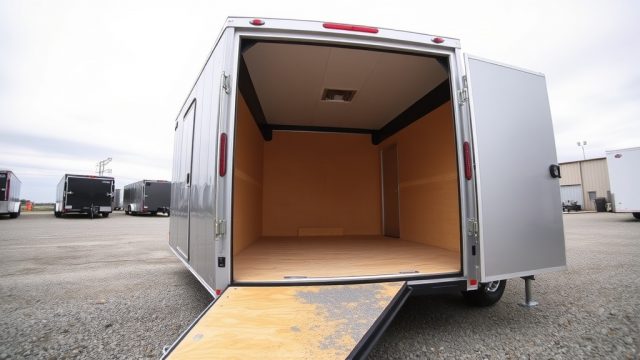
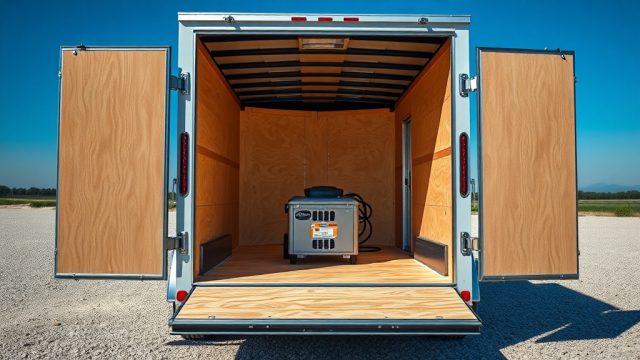
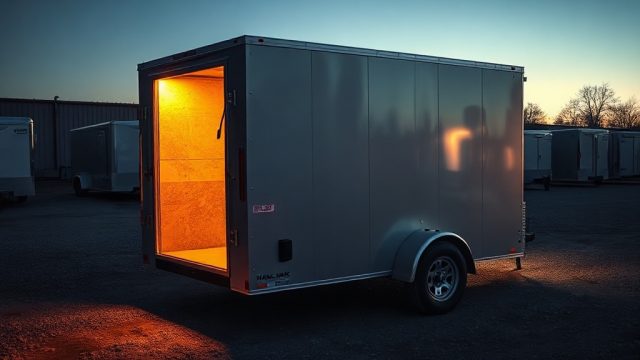
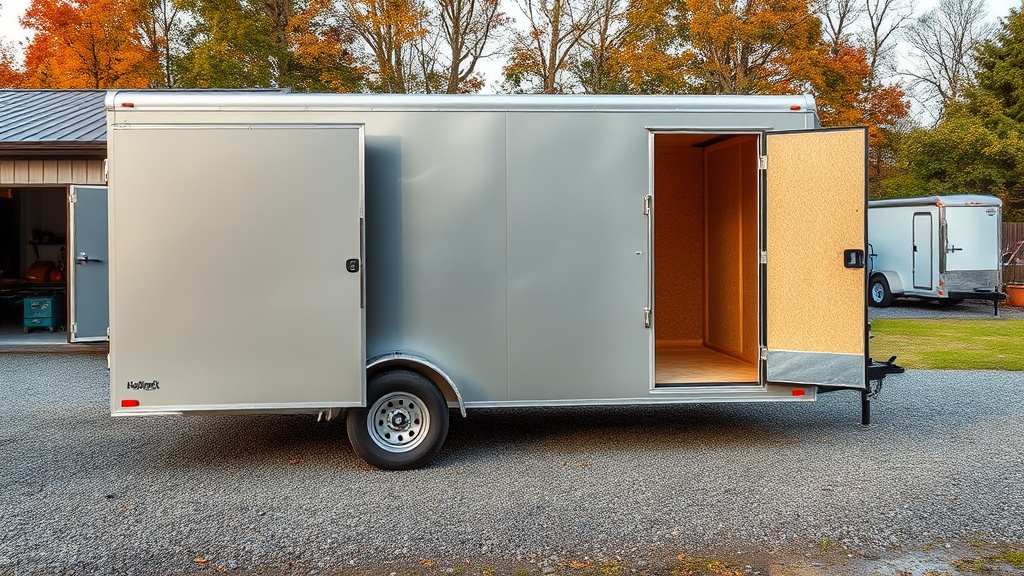
The Haulmark Edge 6×12 comes standard with R-5 insulation in the walls and R-7 in the ceiling, using a closed-cell foam board that resists moisture absorption. While this is adequate for moderate climates and light-duty towing, owners frequently report condensation issues during rapid temperature shifts and noticeable road noise on highways. The factory insulation does an adequate job of maintaining a stable interior temperature when the trailer is stationary, but it struggles to dampen the drumming sound of rain or the roar of tires on asphalt. For anyone planning to use this trailer for heavy gear transport—like motorcycles, race equipment, or heavy tools—upgrading the insulation is a practical step toward protecting cargo and improving comfort during long hauls.
Before diving into upgrades, it’s important to measure your tongue weight to ensure you don’t exceed the trailer’s capacity after adding insulation materials. Extra weight from insulation boards, panels, and sealants can shift the balance, especially if you load storage cabinets or shelving against the front wall.
What Are the Best Materials to Reduce Condensation in the Haulmark Edge 6×12?
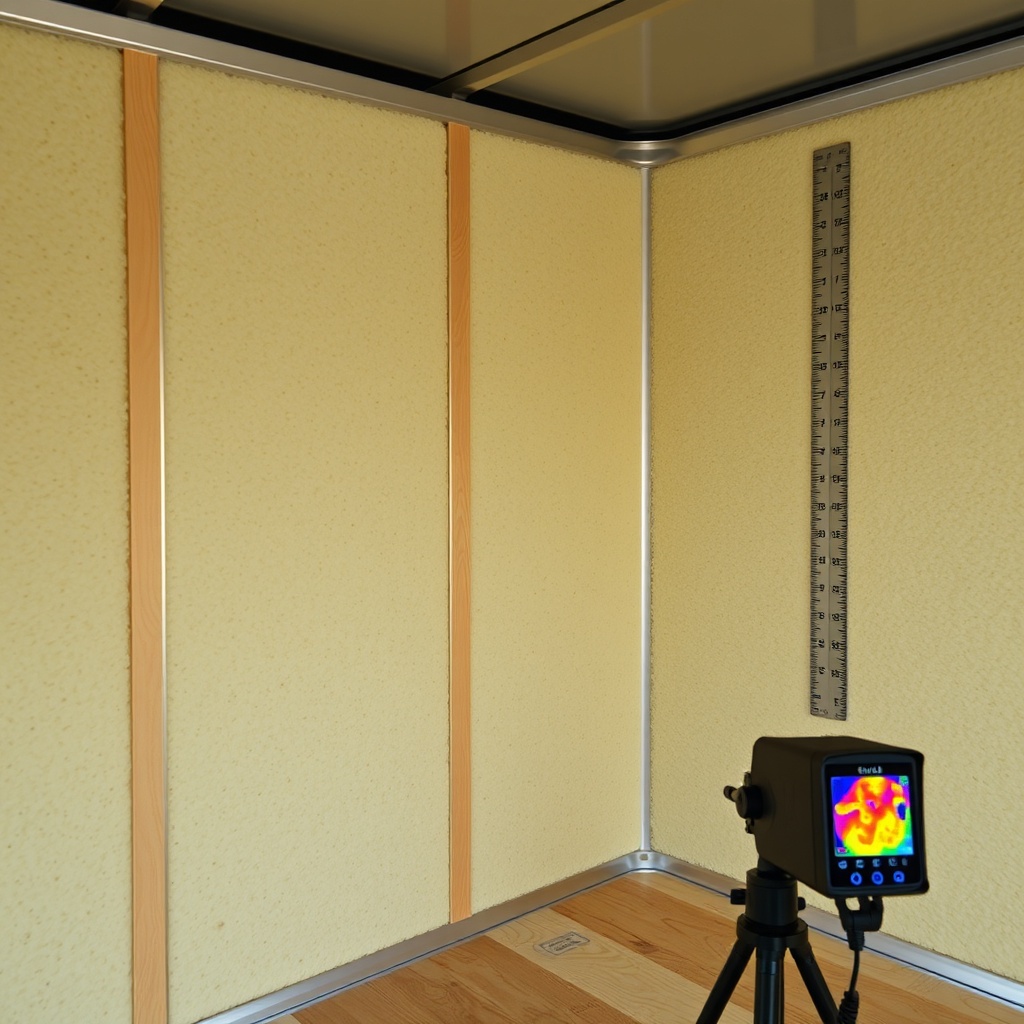
Condensation forms when warm, moisture-laden air meets a cold surface—like the aluminum skin of the trailer walls in winter. The factory foam board helps, but it doesn’t create a complete thermal break. For serious condensation control, owners recommend adding a radiant barrier (reflective bubble wrap) against the interior wall before the final paneling. This material reflects radiant heat back into the trailer, keeping the inner wall closer to interior air temperature and reducing condensation droplets. A 4×50-foot roll of double-bubble reflective insulation with foil on both sides costs about $65 USD in the current market and adds roughly 0.2 pounds per square foot.
Another effective material is closed-cell spray foam insulation, applied in a 1-inch layer over the entire wall cavity. At around $1.50 per board foot, this provides an R-value of roughly 6.5 per inch and acts as a vapor barrier when applied correctly. However, spray foam adds permanent weight—about 2 pounds per square foot for a 1-inch layer—so consider your payload limits. For the 6×12 model, that could add up to 80–100 pounds total. Cross-reference this with the tire pressure and load rating to confirm your tires can still operate safely.
Which Sound-Dampening Strategies Work Best for the Interior Walls?
Road noise in the Haulmark Edge 6×12 comes primarily from the thin aluminum skin vibrating against the frame. The factory insulation does little to absorb mid-to-high frequency noise—the kind that makes conversation difficult at highway speeds. A multi-layer approach works best: start with a mass-loaded vinyl (MLV) barrier applied directly to the interior wall surface. MLV is dense (1 pound per square foot for a standard 1/8-inch sheet) and adds significant sound-blocking mass. A 4×10-foot roll costs roughly $100 USD and covers about 40 square feet—enough for one long wall.
Over the MLV, install 1-inch acoustic foam panels (not the egg-crate kind, but professional-grade studio foam with a 2-inch profile). These absorb reverberation inside the trailer, cutting echo and making the space quieter even when parked. A 12-pack of 12x12x2-inch foam tiles sells for about $45 USD. Secure everything with high-strength double-sided tape or construction adhesive rated for aluminum—do not use screws that could puncture the exterior skin. Also, consider the interior wiring upgrade if you plan to add outlets or lighting, as running new wires after insulation is installed requires careful planning.
How Does Insulation Affect the Haulmark Edge 6×12 Payload and Weight Distribution?
The Haulmark Edge 6×12 has a GVWR of 3,850 pounds and a dry weight of about 1,540 pounds, leaving roughly 2,310 pounds of usable payload. Upgrading insulation can eat into that allowance quickly. Here is a comparison table showing common insulation materials, their approximate weight per square foot, and cost per square foot:
| Insulation Material | R-Value per Inch | Weight (lbs/sq ft) | Cost per Sq Ft (USD) | Vapor Barrier Included? |
|---|---|---|---|---|
| Factory foam board (standard) | 5.0 | 0.12 | 0.35 | No |
| Reflective double-bubble (radiant barrier) | 3.5 (radiant only) | 0.08 | 0.55 | Yes |
| Closed-cell spray foam (1 inch) | 6.5 | 2.0 | 1.50 | Yes |
| Mass-loaded vinyl (1/8 inch) | Negligible (sound) | 1.0 | 2.50 | No |
| Acoustic foam (sound absorption) | Negligible | 0.25 | 3.75 | No |
For a full 6×12 trailer with four walls and ceiling totaling roughly 264 square feet, using spray foam adds 528 pounds—which may overload the trailer if you also carry heavy gear. Most owners opt for a combination: radiant barrier on all walls (21 pounds total) plus spray foam on the ceiling only (88 pounds) and MLV on the floor and lower third of the walls (120 pounds). Total added weight: about 229 pounds, leaving over 2,000 pounds for cargo. Verify your final weight against the suspension capacity before loading.
What Is the Best Installation Sequence for Wall Insulation and Paneling?
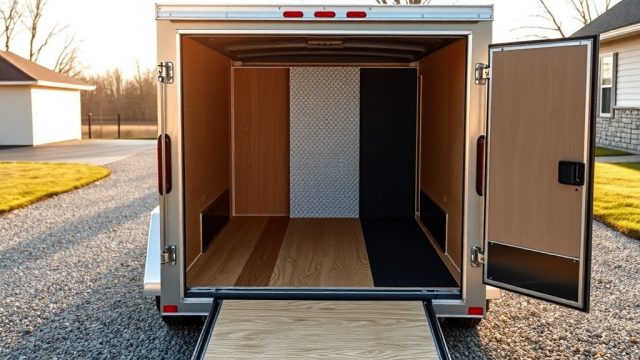
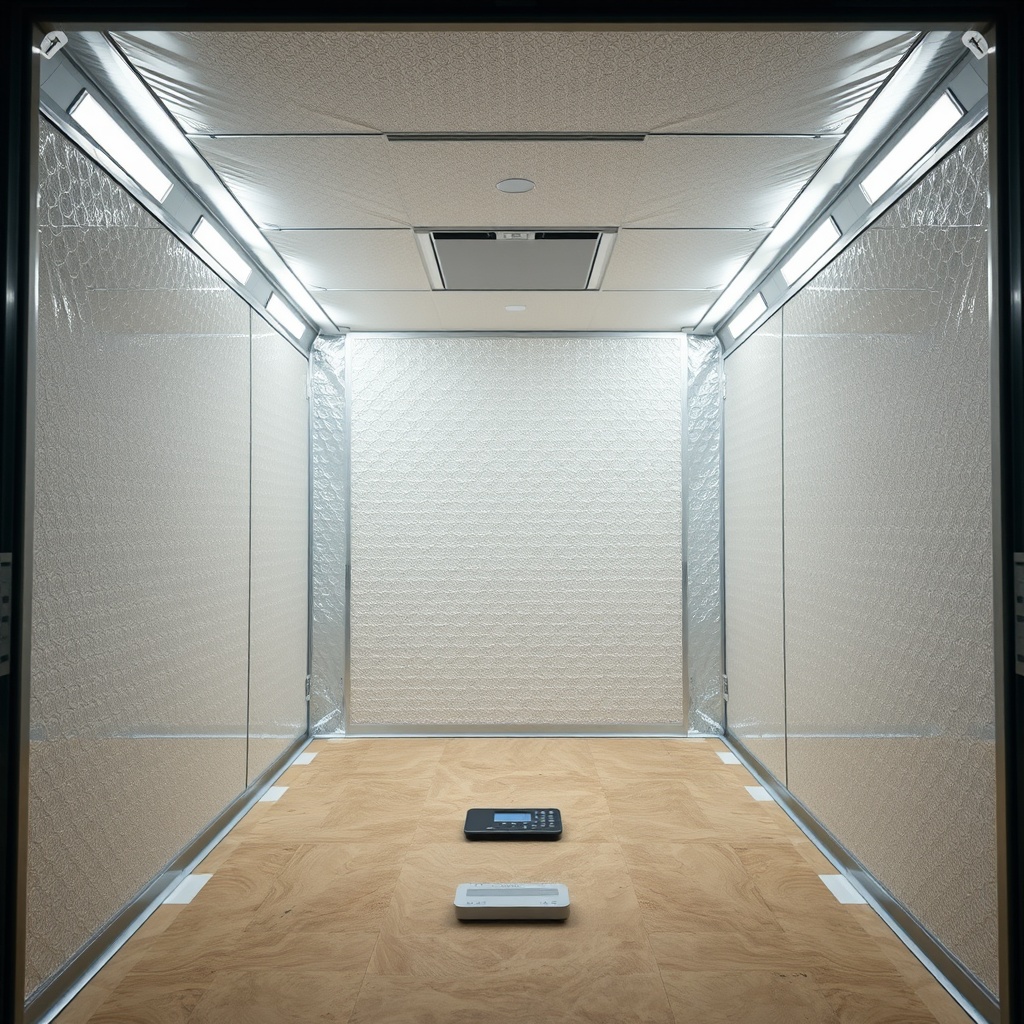
Upgrading the Haulmark Edge 6×12 interior insulation requires removing the factory wall panels—typically thin plywood or luan board—and working in bare cavities. The sequence matters: always start with cleaning the interior aluminum skin with isopropyl alcohol to remove grease and dust. Next, apply a vapor barrier (6-mil polyethylene sheeting costs about $15 USD for a 10×25-foot roll) directly to the aluminum, overlapping seams by 6 inches and sealing with foil tape. Then install your chosen insulation—radiant barrier or foam panels—using adhesive rated for metal and foam compatibility. Avoid leaving air gaps larger than 1/4 inch, as these can create thermal bridges.
After insulation, reattach the wall panels. Consider reinforcing them with 1/4-inch plywood instead of the factory luan for added rigidity and better screw-holding for shelving. Use stainless steel screws (1-inch length) every 8 inches along the studs—the Edge has 16-inch on-center aluminum studs. Remember the weight: upgrading from 1/8-inch luan to 1/4-inch plywood adds about 0.75 pounds per square foot across 264 square feet, which is 198 pounds. Plan your overall load accordingly, and always check roof limits if storing gear overhead—refer to the roof load capacity analysis for safe cargo placement.
What Do Owners Say About Their Haulmark Edge 6×12 Insulation Upgrades?
Owner feedback on forums and review sites consistently highlight that the factory insulation is “adequate for short trips but terrible for camping or delicate gear.” One owner from Minnesota reported condensation frozen on the interior ceiling after a 200-mile winter haul despite standard foam. After adding a radiant barrier and 1/2-inch closed-cell foam under the plywood, he saw “zero condensation” the following winter. Others mention that the noise reduction alone was worth the effort: “My Harley sits quieter inside now than it did in my old open trailer—and I can actually hear the radio driving down the interstate.”
One critical note from experienced owners: do not skip the vapor barrier. A Florida owner in a humid climate installed spray foam without a separate vapor barrier and developed mold behind the panels within six months. Closed-cell foam itself is a vapor barrier, but only if applied perfectly without gaps. Most DIY owners prefer the double-layer approach for peace of mind. Several owners also recommend adding a dehumidifier pack (like DampRid) inside the trailer during storage—especially if you live in a humid region—to catch any residual moisture.
For winter storage preparation, insulating the walls makes a significant difference. Check out the winter storage preparation guide for tips on heating, battery maintenance, and rodent prevention after your insulation upgrade.
Frequently Asked Questions
1. Can I use fiberglass batt insulation in my Haulmark Edge 6×12?
Fiberglass batt insulation is not recommended because it absorbs moisture, which leads to corrosion of the aluminum skin and frame. The Edge’s walls have limited depth (about 1.5 inches), making fiberglass less effective. Stick with closed-cell foam or radiant barriers.
2. How much does a full insulation upgrade cost for a 6×12 trailer?
Material costs range from $150 USD (for basic radiant barrier) to $600 USD (for spray foam with soundproofing). Labor adds another $200–400 if you hire a pro. DIY saves about 50%.
3. Will insulation affect my trailer’s warranty?
Haulmark does not void the warranty for aftermarket insulation as long as you do not drill through the exterior skin or alter structural components. Keep all factory panels intact and avoid modifying the roof structure.
4. Can I install insulation without removing the interior panels?
You can inject closed-cell foam through small holes using a gun-type applicator, but this is messy and risks bulging panels. Removing panels is cleaner and ensures full coverage. Expect about 3–4 hours of work for a 6×12.
5. Does insulation help with temperature control for food or medical transport?
Yes—properly insulated walls can maintain interior temperatures within 10–15°F of ambient outside for several hours. For precise temperature-sensitive items, add a 12V vent fan and consider reflective window covers. Always test with a thermometer before loading critical cargo.
6. What’s the best way to seal gaps around windows and doors for noise reduction?
Use butyl rubber tape (about $10 USD per roll) on the frame before re-installing windows. Replace factory door seals with 3/4-inch thick neoprene weather stripping (about $15 USD for 10 feet). Less than 1% of noise leakage comes through these gaps, but sealing them helps overall acoustic performance.