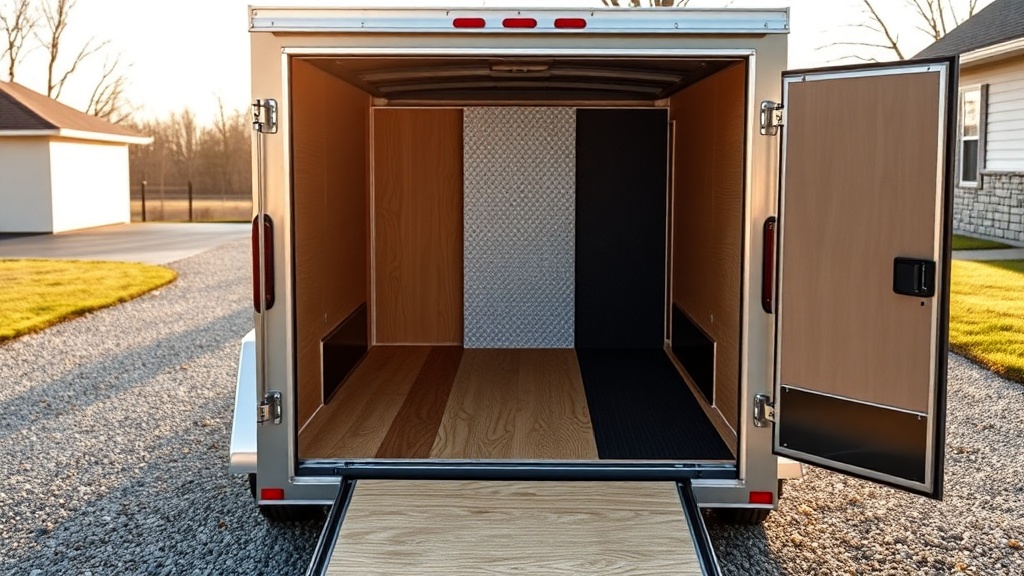
Haulmark Edge 6×12 Flooring Options Comparison: Plywood vs Aluminum vs Composite
Selecting the right flooring for your Haulmark Edge 6×12 is a critical decision that affects durability, weight, maintenance, and cargo security. Whether you’re hauling ATVs, motorcycles, or general equipment, each flooring material brings distinct trade-offs. In this comparison, we break down plywood, aluminum, and composite options so you can choose the best foundation for your trailer.
What Makes Plywood Flooring a Budget-Friendly Choice for the Haulmark Edge 6×12?
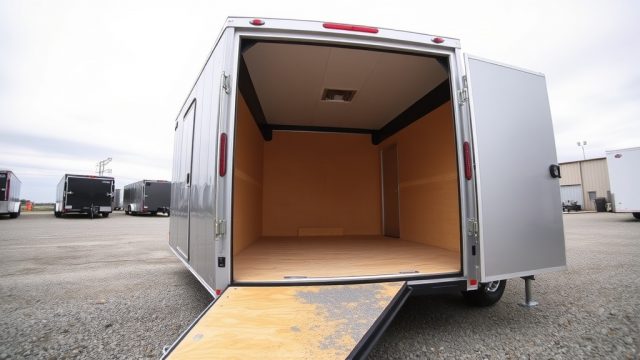
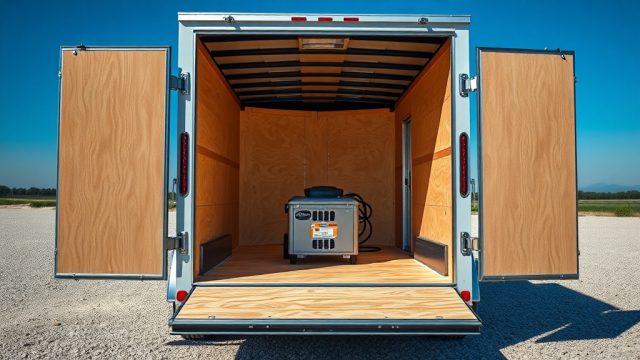
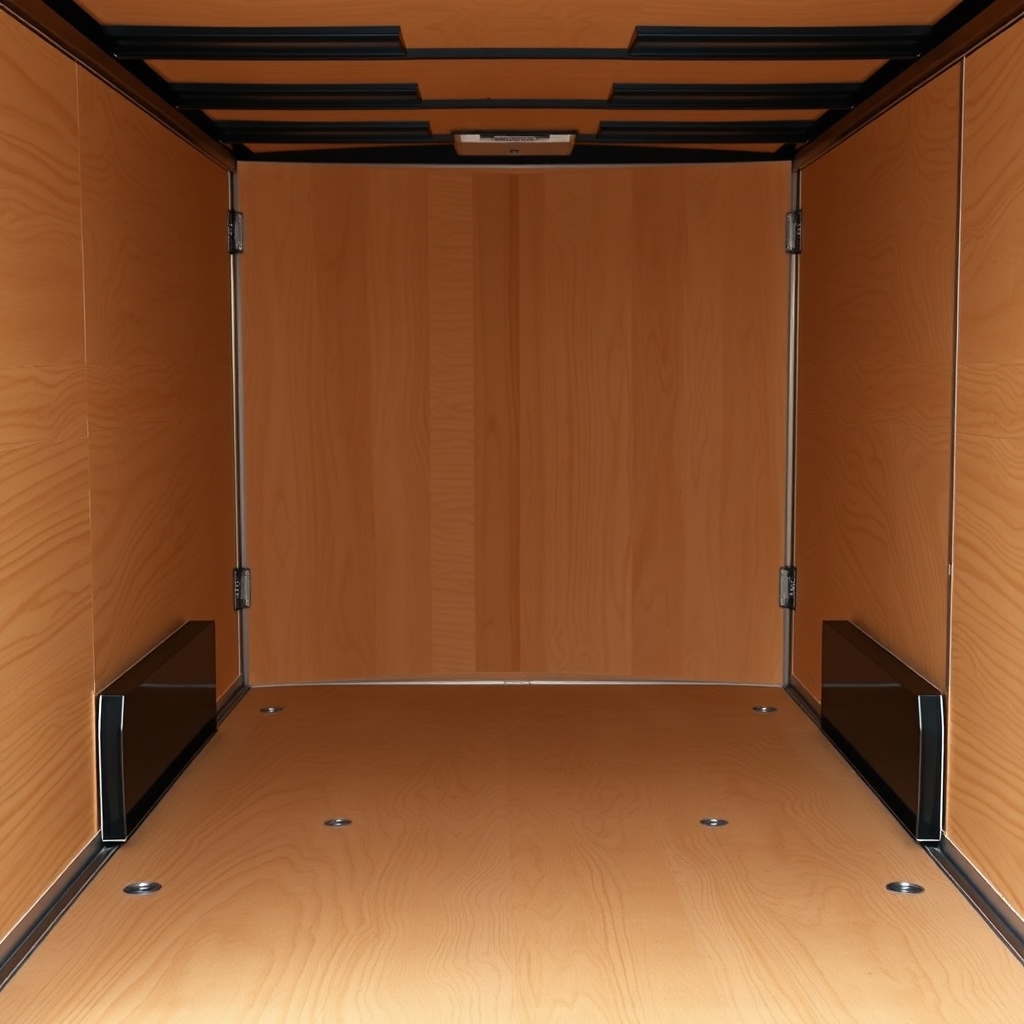
Plywood is the traditional and most affordable flooring material available for the Haulmark Edge 6×12. Standard marine-grade plywood, typically 3/4-inch thick, offers a solid, slightly spongy feel underfoot. It’s easily replaceable and can be finished with paint or sealant to extend its life. However, plywood is prone to rot, delamination, and warping when exposed to moisture—especially if you frequently haul wet equipment or live in humid climates. Expected lifespan with regular maintenance is around 5–8 years. Cost ranges from $1,200 to $1,800 for a complete replacement in the 6×12 model.
How Does Aluminum Flooring Improve Durability and Weight Savings?
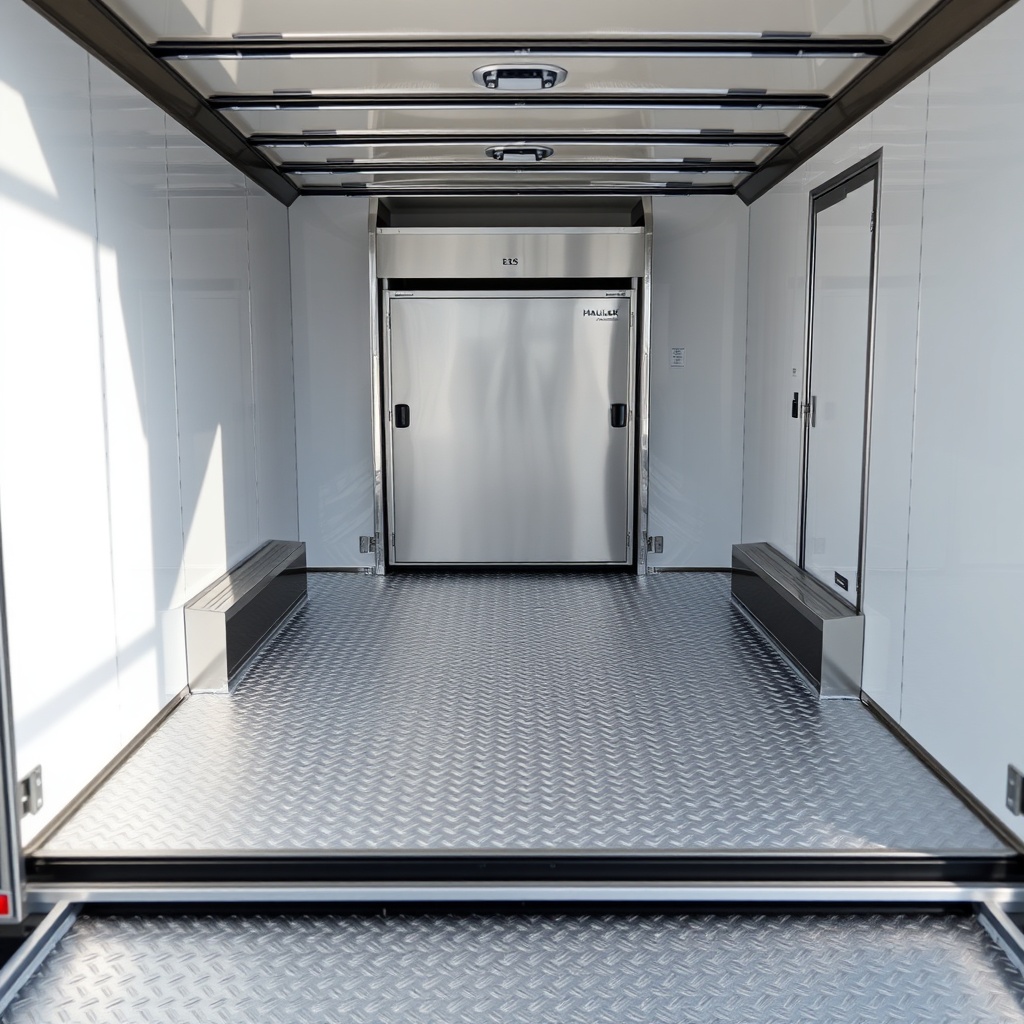
Aluminum flooring, often diamond plate or smooth sheet, is a premium upgrade for the Haulmark Edge 6×12. It’s about 30% lighter than plywood, reducing overall trailer weight and improving fuel economy. Aluminum is completely resistant to water, mold, and rot, making it ideal for marine environments or frequent wash-downs. The surface temperature in direct sun can be higher than wood, and it’s more susceptible to denting from heavy point loads if not properly supported by crossmembers. Expect to pay between $2,400 and $3,200 for an aluminum floor retrofit. Owners report a lifespan of 15–20 years with minimal upkeep, just occasional cleaning to prevent oxidation.
Is Composite Flooring the Best All-Rounder for Your Haulmark Edge 6×12?
Composite flooring, typically made from recycled wood fibers and plastic polymers (like PVC or HDPE), combines the best of both worlds. It mimics plywood’s screw-holding ability while offering the moisture resistance of aluminum. Composite decking in the Haulmark Edge 6×12 is lightweight (similar to aluminum) and extremely rot-proof, though it can crack under extreme cold or heavy point loads if not correctly formulated. Pricing falls between plywood and aluminum, around $1,800 to $2,500. Composite floors often come with a 10-year structural warranty. Installation requires specialized fasteners, and replacement is less DIY-friendly than plywood.
| Flooring Material | Weight (6×12) | Moisture Resistance | Point Load Capacity | Lifespan | Cost (USD) |
|---|---|---|---|---|---|
| Plywood (3/4″ marine) | ~280 lbs | Low | Medium | 5–8 years | $1,200–$1,800 |
| Aluminum (diamond plate) | ~200 lbs | High | High (with proper crossmembers) | 15–20 years | $2,400–$3,200 |
| Composite (PVC/HDPE) | ~210 lbs | High | Medium–High | 10–15 years | $1,800–$2,500 |
Can You Upgrade the Haulmark Edge 6×12 From Plywood to Aluminum Without Modifying the Frame?
Yes, upgrading from the factory plywood floor to aluminum is possible, but it requires careful planning. The existing crossmember spacing in the Haulmark Edge 6×12 is typically 16 to 24 inches on center, which is adequate for aluminum if you use at least 0.080-inch-thick sheet. You’ll need to remove all old plywood, ensure the frame is level, then lay down aluminum panels with corrosion-resistant fasteners. Adding a layer of 1/4-inch rubber mat on top can help damp vibration and prevent cargo scratching. This upgrade pairs well with our guide on Haulmark Edge 6×12 Suspension Upgrade: From Leaf to Torsion to handle the slightly reduced weight. Budget an extra 10–15% for labor if you’re paying a shop, as custom cutting and sealing around the wheel wells adds time.
What Interior Storage Options Work Best With Each Floor Type?
The choice of flooring directly influences your storage strategy. For plywood floors, E-track and D-rings can be screwed directly into the deck, providing versatile tie-down points. With aluminum floors, you must use bolt-through anchors or adhesive-based systems to avoid damaging the metal. Composite floors accept screws well (similar to wood) but require pilot holes to prevent cracking. For the Haulmark Edge 6×12, a popular setup is placing two 48-inch E-track strips lengthwise along the walls for motorcycles or cargo. If you install cabinets or shelving, use pre-drilled bolt holes through the floor into the frame rather than relying solely on the flooring material for support. Proper insulation behind the walls, as discussed in our Haulmark Edge 6×12 Interior Wall Insulation Guide: Reduce Condensation and Noise, will reduce floor moisture issues for plywood and composite choices.
How Does Flooring Choice Impact Winter Storage and Brake Controller Installation?
Winter preparation differs by floor type. Plywood floors need a thorough seal and waterproof coating every season. Composite floors only require a sweep and a dry towel; they won’t absorb moisture. Aluminum floors benefit from periodic waxing to protect against road salt corrosion. During winter storage, always elevate the trailer slightly to reduce ground moisture contact. This process is covered in our Haulmark Edge 6×12 Winter Storage Preparation Guide. Brake controller wiring runs under the floor, so floor choice affects access points. For aluminum floors, avoid drilling holes near the brake line path. For composite, ensure wire grommets are sealed to prevent moisture from seeping into the core. For full details on integrating a controller, see our Haulmark Edge 6×12 Brake Controller Installation Guide and the newer Haulmark Edge 6×12 Brake Controller Upgrade: Bluetooth Integration guide for wireless options.
What Owners Say
Real-world feedback from Haulmark Edge 6×12 owners emphasizes that plywood is fine for occasional weekend warriors but quickly disappoints under frequent moisture. One owner from Oregon reported replacing his plywood floor after only three years due to rot near the door seal. Another owner in Texas switched to aluminum and noted a measurable improvement in fuel economy due to weight reduction, as well as easier cleanup after hauling wet dirt bikes. Several owners of composite floor trailers commented on how the material stays cooler than aluminum in summer and warmer in winter, reducing condensation buildup. However, a few mentioned that heavy toolboxes on casters can leave compression marks on composite over time unless a protective mat is used. Overall, the decision aligns with budget and usage—aluminum for all-weather durability, composite for a balanced upgrade, and plywood for minimal investment.
Frequently Asked Questions
1. Can I replace the Haulmark Edge 6×12 floor myself?
Yes, a DIY replacement is possible if you have basic tools (drill, saw, socket set) and a helper. Plywood is the easiest; aluminum requires metal shears and careful fastening. Composite may need specific fasteners. Always remove the trailer from the chassis for full floor replacement. Refer to our Haulmark Edge 6×12 Roof Load Capacity Analysis: What You Can Safely Carry to avoid overloading the roof if you plan to store items above while working.
2. How much does it cost to replace the floor on a 6×12 trailer?
Costs range from $1,200 for plywood to $3,200 for aluminum, including materials and fasteners. Professional installation adds $600–$1,200 in labor, depending on location and shop rates.
3. Is aluminum flooring slippery when wet?
Yes, standard smooth aluminum can be slippery. Diamond plate patterns or adding a rubber mat significantly improves grip. Some owners spray on a non-skid texture coating for added safety.
4. How long does each flooring type last with proper care?
Plywood: 5–8 years. Composite: 10–15 years. Aluminum: 15–20+ years. Lifespan depends on climate, cargo weight, and maintenance frequency.
5. Does the floor choice affect trailer resale value?
Yes, aluminum and composite floors typically command $500–$1,500 more on the used market compared to plywood. Buyers often associate these materials with better long-term durability.
6. Can I install heated floor panels under any floor type?
It’s possible but not recommended under plywood due to fire risk. Composite and aluminum floors can accept low-voltage radiant mats (12V) if properly insulated underneath. Always consult a professional and ensure your trailer’s electrical system can handle the load. See our Haulmark Edge 6×12 Roof Load Capacity Analysis for guidance on electrical upgrades.