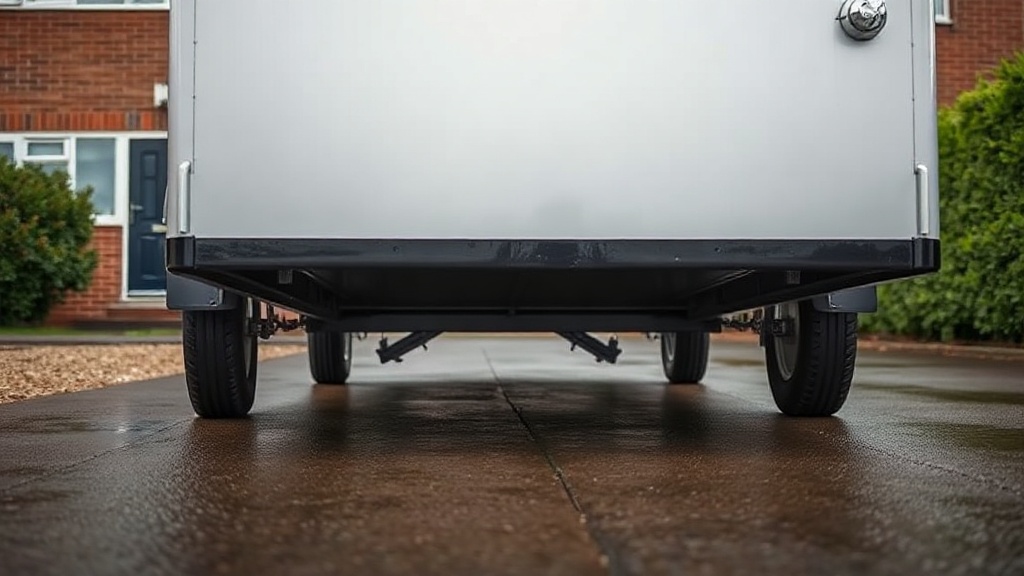
Why Does Rust Form on the Continental Cargo Cargomate 6×10?
The Continental Cargo Cargomate 6×10 is a rugged cargo trailer built for utility, but its steel frame, side walls, and undercarriage are vulnerable to oxidation when exposed to moisture, road salt, and debris. Rust typically begins in hidden seams, under the fenders, and around hardware where paint chips or scratches expose bare metal. In the UK, where winter roads are frequently salted between November and March, owners report that unchecked surface rust can progress to structural pitting within two to three years if left untreated. This guide focuses on inspection routines and targeted prevention, helping you keep your Cargomate’s steel structure sound and avoid costly repairs like those detailed in the Continental Cargo Cargomate 6×10 Side Wall Puncture Repair: Step-by-Step Guide.
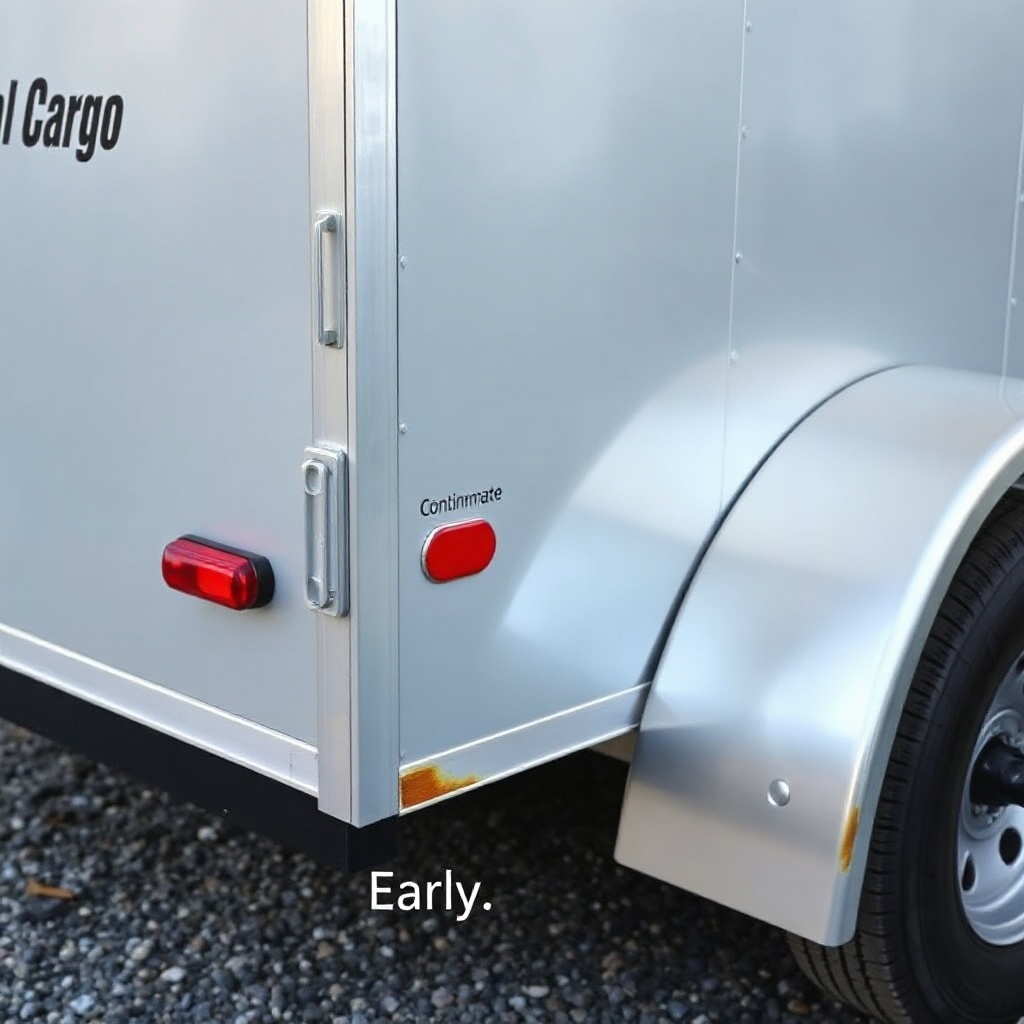
How Often Should I Inspect the Frame for Rust?
You should perform a thorough undercarriage and frame inspection every three months, and before and after each winter season. The Cargomate 6×10’s steel main rails and crossmembers are the load-bearing backbone, and they rust most aggressively where the paint has been chipped by road debris or where moisture pools inside the box channel. During inspection, look closely at the following areas:
- Lower frame rail edges (inside and outside of both rails) – these scrape against curbs or loading docks.
- Crossmember weld joints – particularly where the floor meets the frame, as wood flooring can wick moisture into the steel.
- Spring hanger brackets and axle mounts – these trap salt spray from the tires.
- Coupler area and tongue – rust can weaken the tongue and affect Continental Cargo Cargomate 6×10 Tongue Weight Measurement and Adjustment Guide.
- Brake backing plates and wiring conduits.
Use a bright LED flashlight and a small wire brush to probe suspected rust. If the metal flakes or dimples under pressure, you are dealing with active corrosion that needs immediate treatment.
What Are the Most Vulnerable Rust Zones on This Trailer?
The Cargomate 6×10 has several high-risk areas that differ in rust severity and accessibility. The table below ranks these zones by common corrosion severity, treatment cost in GBP, and typical repair approach.
| Rust Zone | Severity (Scale 1–5) | Estimated Repair Cost (GBP) | Typical Fix |
|---|---|---|---|
| Lower frame rail edges (exterior) | 4 | £80–£200 per side | Wire brush, rust converter, paint with chassis enamel |
| Crossmember joints near floor | 5 | £150–£400 per crossmember | Cut out rot, weld in new steel, seal with anti-rust primer |
| Spring hanger brackets | 4 | £60–£120 per bracket | Wire wheel, apply corrosion inhibitor, or replace if pitted |
| Coupler and tongue underside | 3 | £40–£90 | Rust converter, paint, protect with grease film |
| Brake backing plates | 3 | £30–£70 per side | Wire brush, apply brake-specific anti-rust spray |
| Wheel well inner panels | 4 | £50–£150 per side | Sand, prime, paint with stone-guard coating |
How Can I Prevent Rust Before It Starts?
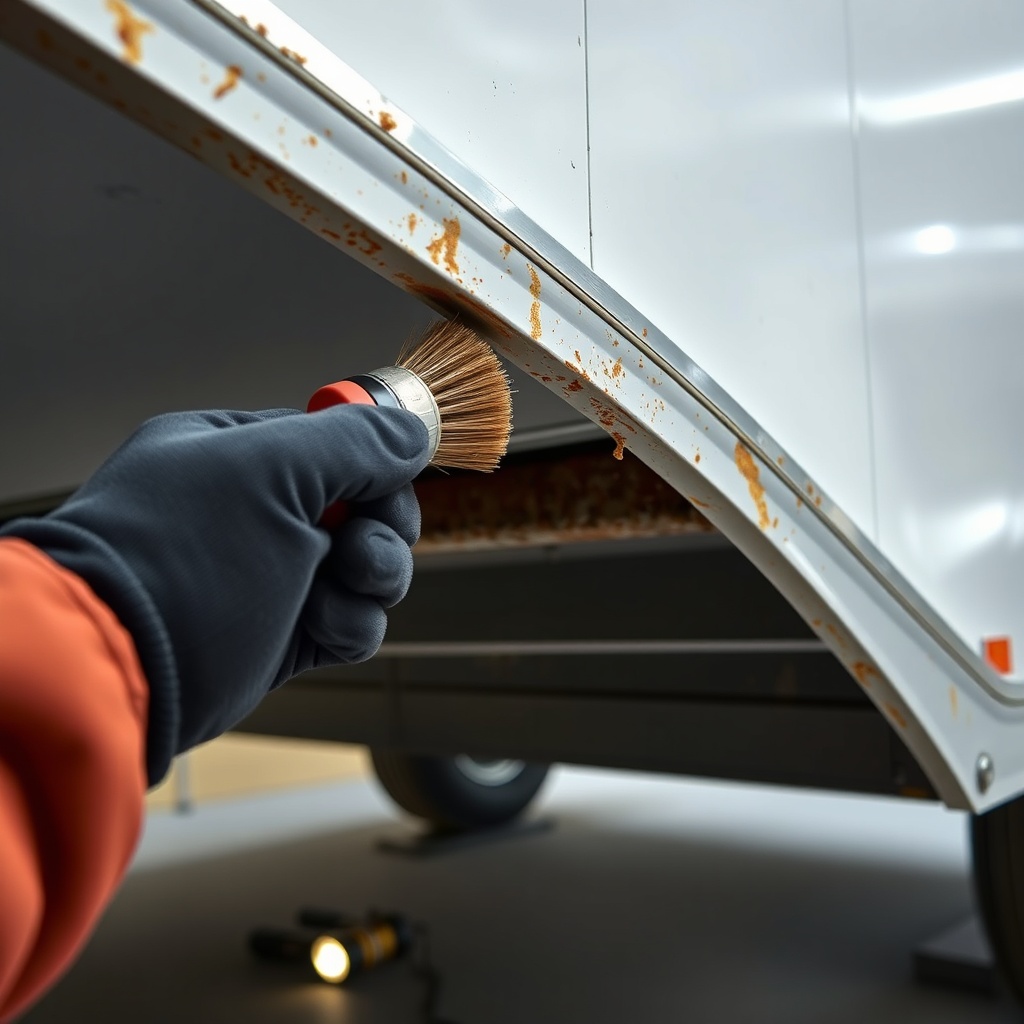
Prevention on the Cargomate 6×10 involves a multi-layer approach. Start by thoroughly cleaning the undercarriage with a pressure washer after every snow or salt exposure. Pay special attention to the area behind the mud flaps and inside the frame channels. Once dry, apply a rust-inhibiting spray like Fluid Film or a lanolin-based undercoating to all bare steel. Use a brush to work the product into seams and bolt holes. For the floor, check the plywood’s condition regularly—a rotted floor allows moisture to seep into the frame rails from above. The Continental Cargo Cargomate 6×10 Floor Sanding and Refinishing Tips guide offers a step-by-step for sealing the floor. Additionally, keep the gate spring tension optimal to avoid gate bracket cracking that could expose steel—the Continental Cargo Cargomate 6×10 Gate Spring Hookup: Secure Cargo with Proper Tension resource explains how proper tension reduces stress on the hinge plates. Finally, install mud flaps if your trailer didn’t come with them, as they significantly reduce road grit hitting the frame.
What Tools and Products Do I Need for a Rust Inspection?
A simple inspection kit can be assembled for under £50 in the UK. Essential items include:
- LED inspection light (preferably rechargeable, bright white, 500+ lumens)
- Wire brush set (stainless steel bristles for light rust, brass for sensitive components)
- Drop light or creeper for comfortable under-trailer access
- Magnet (to check if paint bubbles are hiding rust—magnet will cling less)
- Rust converter (e.g., Fertan or Jenolite, available at Halfords for around £12 per litre)
- Chassis black paint or spray (e.g., Hammerite Smooth Finish, £15 per 750ml)
- Moisture meter for the wooden floor (optional, but helps catch rot early)
- Protective gloves and mask (when using chemicals)
Also keep a torque wrench handy: after any rust treatment on suspension or coupler components, you will need to re-torque bolts correctly, referencing the Continental Cargo Cargomate 6×10 Coupling Latch Inspection and Maintenance Guide for proper coupler bolt torque specs.
What Owners Say About Cargomate 6×10 Rust Issues
Cargomate 6×10 owners on UK trailer forums (such as Towing and Trailers UK and Practical Caravan) generally report that the trailer’s steel frame is well-coated from the factory, but many note that areas around the rear light housings and the gate hinge brackets are prone to paint bubbling after two years. One owner from Bristol mentioned, “I found surface rust on the crossmembers after one damp winter. Treated it with a rust converter and painted it, but now I do a visual check every oil change.” Another from Lancashire shared, “The biggest problem is the floor edge where it meets the frame—water wicks along the wood and rusts the steel from the inside. I now seal that seam with polyurethane caulk after every floor refinish.” Several owners recommended applying a sacrificial zinc anode spray to the tongue area if the trailer is stored outdoors, especially near coastal regions like Cornwall or Norfolk.
Frequently Asked Questions
1. Can I use a pressure washer to remove rust on my Cargomate 6×10?
Yes, but only for loose rust and dirt. A pressure washer is effective for removing road salt and debris before you apply rust treatment. However, avoid using a narrow tip (e.g., 0-degree nozzle) directly on painted surfaces, as it can strip paint and worsen the problem. After washing, dry the trailer completely, then inspect and treat any rust spots.
2. How much does it cost to professionally undercoat the Continental Cargo Cargomate 6×10 in the UK?
A professional wax-based or lanolin undercoating typically costs between £200 and £400 depending on your region and whether the garage includes surface rust removal. In Scotland and the North of England, prices are often higher due to longer salt season. Some owners opt for a DIY application using a spray gun and a £50 can of lanolin undercoating.
3. Does the aluminum side skin of the Cargomate 6×10 rust?
Aluminium does not rust in the same way as steel, but it can corrode (white powder) if exposed to salt and moisture. This corrosion is usually cosmetic and does not affect structural integrity unless it deepens. Polishing with a marine-grade aluminium cleaner and applying a protective wax sealant every six months prevents pitting.
4. Will rust on the tongue affect towing safety?
Yes, any rust that pits or thins the tongue steel compromises its load path. The tongue of the Cargomate 6×10 must remain fully intact for safe towing. If you find flaking rust or pit deeper than 1 mm, have the tongue inspected by a certified welding shop immediately. The Continental Cargo Cargomate 6×10 Brake Controller Installation Guide includes brake system checks that also rely on a sound tongue and frame.
5. Can I use a car wax to protect the trailer frame from rust?
Car wax is not sufficient for the undercarriage. Wax melts away under road heat and wash exposure. Use a dedicated rust inhibitor spray (e.g., Bilt Hamber Dynax S50 or Fluid Film) that lingers in seams. For visible frame rails, a hard-wearing chassis enamel like Hammerite offers better protection than wax.
6. How do I treat rust around the rear gate latch area?
First, remove the gate latch mechanism (two bolts). Wire-brush any rust on the bracket and the gate plate. Apply rust converter and allow it to cure per the manufacturer’s instructions (typically 24 hours). Then paint with a matching black chassis paint. Reattach the latch and test operation. If the latch doesn’t close smoothly, check the gate alignment—the Continental Cargo Cargomate 6×10 Gate Spring Hookup: Secure Cargo with Proper Tension guide can help you adjust spring tension to reduce latch binding.