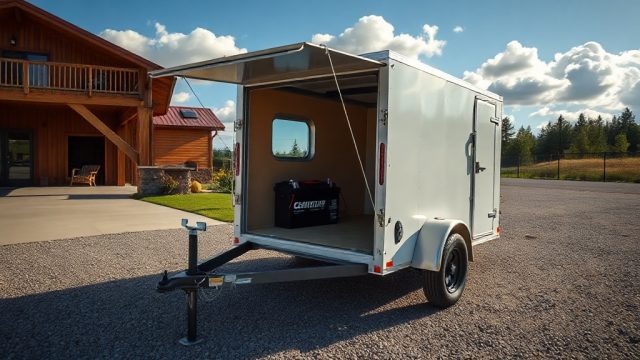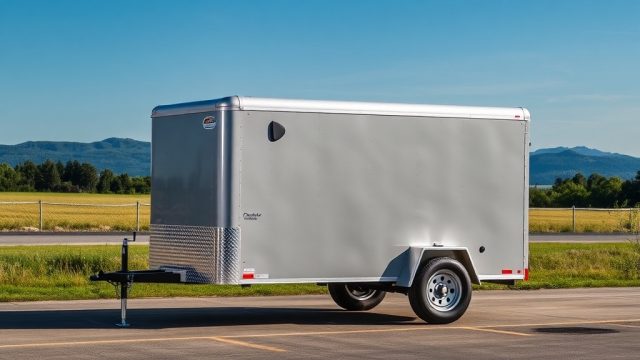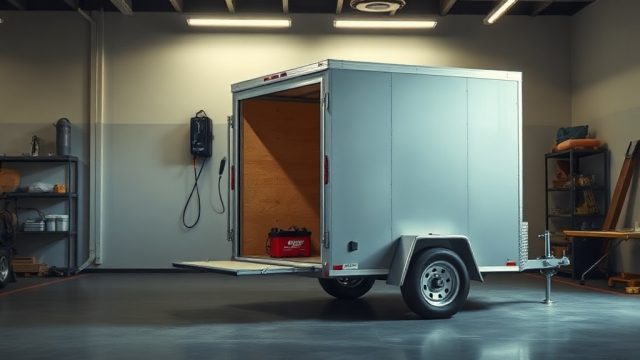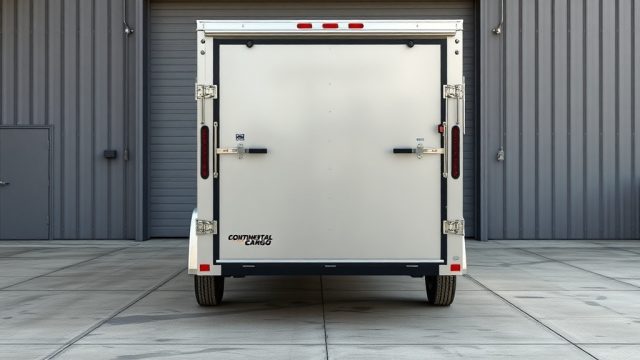
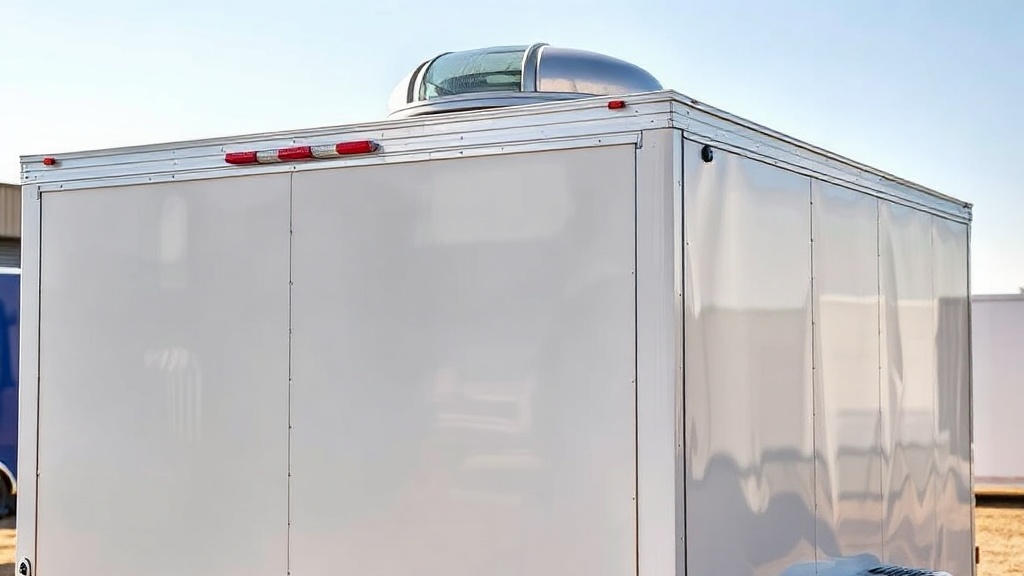
Why Does the Continental Cargo Cargomate 6×10’s Roof Vent Accumulate Condensation?
Owners of the Continental Cargo Cargomate 6×10 often discover moisture beading inside the roof vent, especially during seasonal transitions or after hauling damp cargo. This condensation forms when warm, humid air inside the trailer meets the cooler metal or plastic surfaces of the vent assembly. Without preventive measures, that moisture can drip onto stored equipment, promote mold growth, and accelerate corrosion on the roof panel and vent frame.
Addressing condensation early protects your investment. This guide covers practical, owner-tested methods to keep the interior of your Cargomate 6×10 dry, along with links to related maintenance procedures that complement a dry-trailer routine.
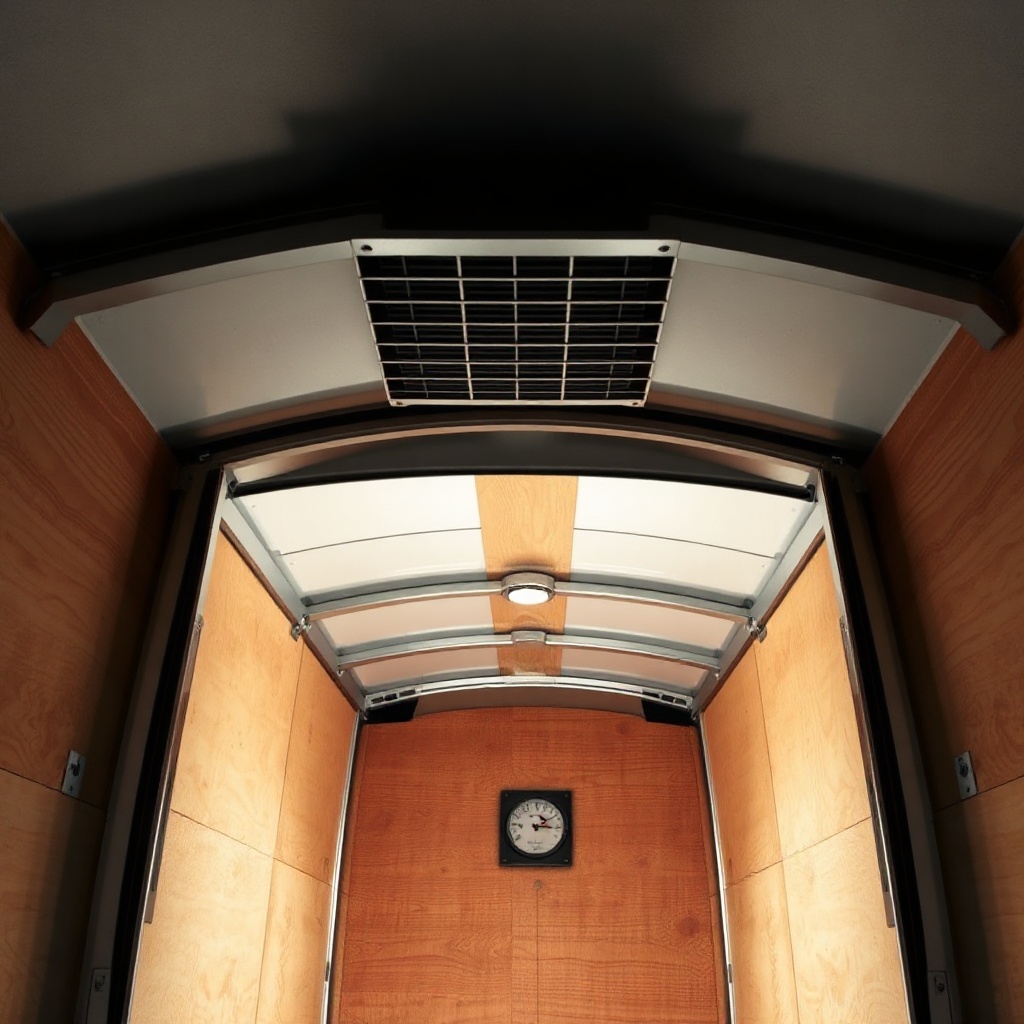
How Does Ventilation Affect Condensation in the Cargomate 6×10?
Static air holds more moisture than moving air. When the Cargomate 6×10 is sealed tightly for travel, any humidity from damp cargo, wet floors, or even ambient air has nowhere to escape. The roof vent, being the highest point, becomes the primary condensation zone. Installing a manual or electric vent fan—or simply cracking the vent open during storage—dramatically reduces moisture accumulation.
For owners who frequently haul damp items, pairing vent operation with a floor sanding and refinishing routine ensures the subfloor doesn’t absorb residual moisture. A well-sealed floor complements vent airflow, creating a drier overall environment.
What Type of Roof Vent Insulation Works Best on the Cargomate 6×10?
Adding insulation directly around the roof vent’s interior flange prevents the temperature differential that causes condensation. Two effective materials:
- Closed-cell foam tape (1/4-inch thick, adhesive-backed) applied to the vent frame before reinstallation provides a thermal break.
- Reflective bubble foil insulation cut to fit the vent’s interior cover slows heat transfer during cold months.
Insulation alone isn’t enough if the vent seal is compromised. Before insulating, perform a coupling latch inspection—while that guide focuses on the tongue area, the same attention to seal condition applies to the roof vent gasket. Replace any cracked or brittle rubber gaskets immediately.
How Does Seasonal Use Change Condensation Prevention Strategy?
Winter and summer present opposite challenges. In cold weather, warm interior air hitting a freezing vent creates instant condensation. In summer, hot sun on the vent’s exterior heats the metal frame, while the interior remains cooler—again causing moisture. A seasonal checklist helps:
| Season | Primary Problem | Best Prevention | Estimated Cost |
|---|---|---|---|
| Winter | Warm interior air meets cold vent | Vent cover insulation + desiccant pack (1-2 lbs) mounted near vent | $15–$30 |
| Spring/Fall | Fluctuating humidity levels | Battery-powered vent fan (150-200 CFM) with thermostat | $40–$80 |
| Summer | Solar heat differential | Reflective bubble foil on vent interior + white UV-resistant vent cover exterior | $20–$35 |
The Cargomate 6×10’s standard roof vent (approx. 14″ x 14″) accepts most aftermarket covers. For high-humidity regions, consider a powered vent that runs via a solar panel—affixed to the vent lid—to maintain constant flow without draining the trailer’s battery.
What Tools and Products Do Owners Recommend for Condensation Control?
Regular Cargomate 6×10 owners on forums suggest a shortlist of cost-effective items:
- DampRid hanging bags (or generic calcium chloride crystals) placed near the vent absorb airborne moisture.
- 3M Ventilation film kit applied to the vent’s inner cover creates a secondary barrier.
- Silicone caulk (clear, non-acidic) for resealing the vent flange to the roof—avoid standard latex, which traps moisture.
- Digital hygrometer with remote sensor to monitor humidity levels inside without opening the trailer.
These tools work in tandem with physical adjustments like tweaking the vent height. A vent that sits fully flush on the roof may lack an air gap sufficient for passive airflow. Installing a vent lift kit (raises the vent 1–2 inches) improves natural convection, especially when the trailer is parked.
What Owners Say About Condensation in the Cargomate 6×10
Long-time owner Mark S. from Minnesota reports, “I used to find puddles under the vent every spring, even with the trailer empty. Adding a 12V fan and sealing the flange with butyl tape solved it—no more mold.” Another owner, Carla T. from Florida, notes that “running a small dehumidifier inside during storage weeks keeps the vent completely dry. But when I’m on the road, cracking the vent open an inch works fine.”
Several owners caution against relying solely on chemical desiccants—they must be replaced monthly in humid climates. A recurring tip is to combine a properly tensioned gate spring setup (which keeps the rear door sealed tight) with vent management, because a loose gate seal lets in outside moisture that worsens condensation.
Owners also recommend pairing condensation reduction with tongue weight measurement—a correctly balanced trailer reduces flex on the roof structure, which can compromise vent seals over time.
Frequently Asked Questions
1. Should I drill holes in the roof vent to improve airflow?
No. Drilling voids the warranty and can create water leaks. Instead, use a vent lift kit or install a powered fan designed for the OEM vent opening.
2. Can I use a car wax spray on the vent interior to repel water?
Yes, but only on the plastic vent cover. Use a non-abrasive automotive wax (acrylic-based). Avoid silicone sprays on the gasket as they can attract dirt and cause seal degradation.
3. How often should I replace the roof vent gasket on my Cargomate 6×10?
Every 18–24 months in temperate climates, or annually in regions with heavy UV or freeze-thaw cycles. Inspect for cracks or flattening during each seasonal tire check.
4. Does the trailer’s brake controller affect condensation formation?
Indirectly, yes. A properly functioning brake controller reduces abrupt stops that can shift cargo, which might upset vent seals. No direct electrical effect on condensation exists.
5. Is a roof vent cover necessary year-round?
Yes. A UV-stable vent cover (like a MaxxAir or equivalently produced shield) blocks rain and sun while allowing continuous airflow. It also prevents debris from blocking the vent opening.
6. Can condensation damage the trailer’s electrical wiring near the vent?
If moisture drips onto exposed wires or junction boxes, yes. Combine condensation prevention with a rust inspection routine to check for corrosion around any roof-mounted wiring conduits.