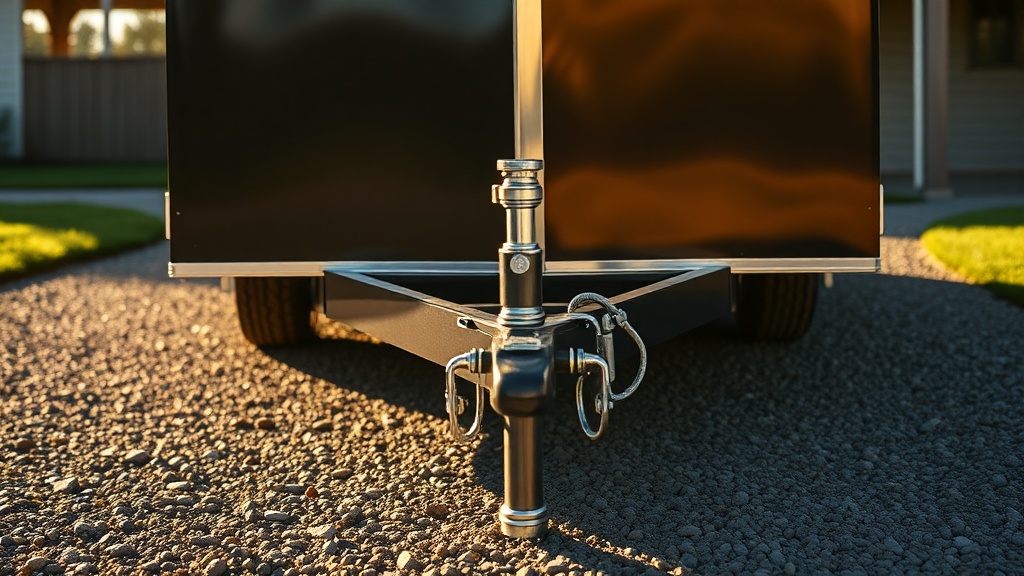
Why Does the Hitch Receiver Wear on a PJ Trailers Pacesetter 7×14?
The PJ Trailers Pacesetter 7×14 is a workhorse for hauling everything from equipment to vehicles, but its hitch receiver—the critical connection point between trailer and tow vehicle—endures constant stress. Over time, repeated coupling, road vibration, and corrosion cause wear that compromises safety. A worn receiver can lead to dangerous sway, coupler failure, or even detachment on the road. Recognizing the signs early and knowing when to replace components is essential for maintaining the Pacesetter’s reliability. This guide provides a structured approach to inspecting the hitch receiver, identifying wear, and performing a safe replacement—all tailored to the 7×14 Pacesetter’s specific design.
How Does the Hitch Receiver Wear Affect Towing Stability?
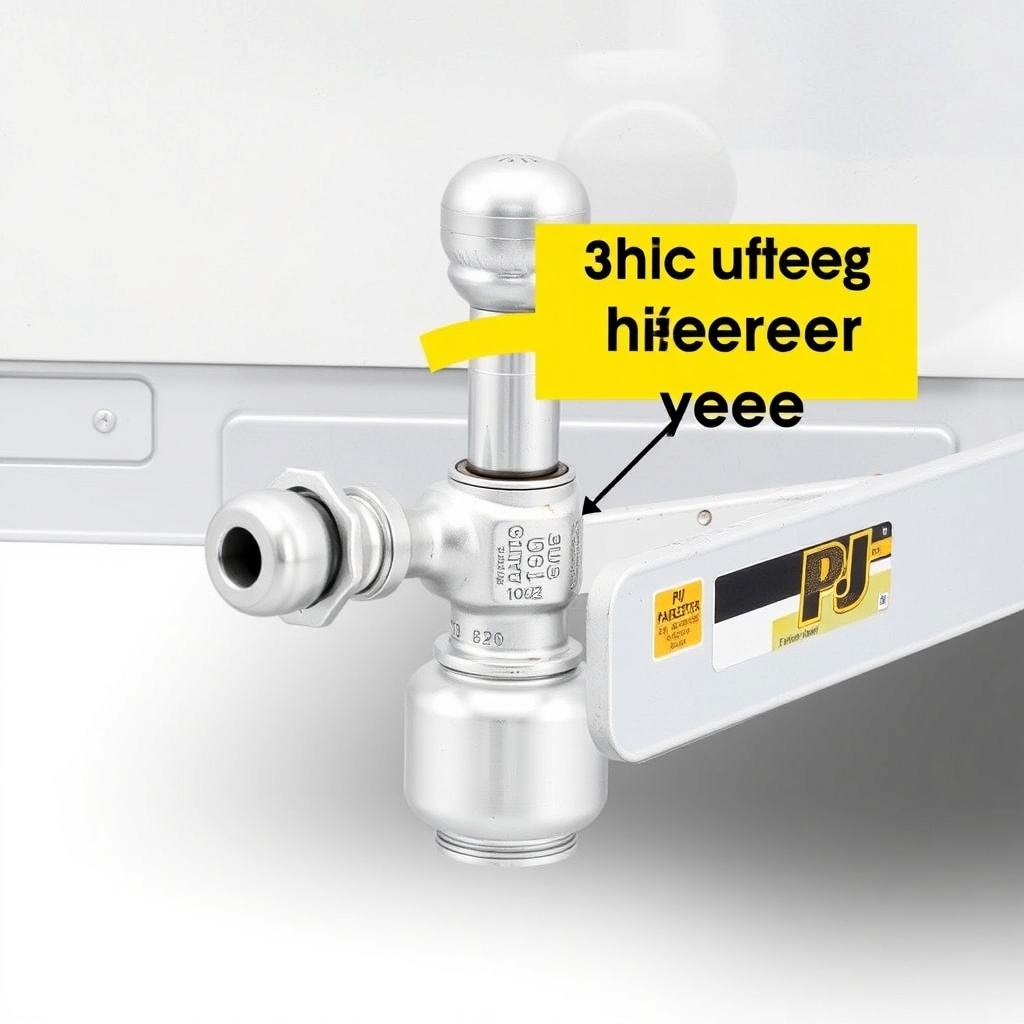
The hitch receiver on the Pacesetter 7×14 is a 2-inch or 2-5/16-inch Class IV or V receiver, depending on the towing capacity. Wear typically occurs in three areas: the receiver tube itself (where the shank inserts), the coupler latch mechanism, and the ball mount surface. A loose fit between the shank and receiver tube—measured by excessive vertical or lateral play—causes clunking and accelerates wear on both parts. The National Highway Traffic Safety Administration (NHTSA) recommends that receiver-to-shank clearance not exceed 1/8 inch. On the Pacesetter, even minor play can amplify under load, especially when hauling heavy cargo or using the trailer for Motorcycle Hauling in the PJ Pacesetter 7×14, where weight distribution shifts suddenly. Regular measurement with a feeler gauge or dial indicator can catch wear before it becomes a safety issue.
Another factor is corrosion from road salt and moisture, which eats into the receiver’s internal walls. The Pacesetter’s receiver is often electro-coated but not perfectly sealed; exposed edges rust and flake, creating pits that increase friction and loosen tolerances. Inspecting the receiver tube with a flashlight and checking for rust flakes inside the tube should be part of every pre-trip check, especially if the trailer has seen winters, as outlined in PJ Trailers Pacesetter 7×14 Winter Storage Preparation Guide.
What Are the Common Signs of Hitch Receiver Wear on the Pacesetter 7×14?
Knowing what to look for saves time and money. Below is a severity table to help classify wear symptoms during inspection. Use this before every long trip or at least quarterly.
| Symptom | Mild Wear | Moderate Wear | Severe Wear (Replace Immediately) |
|---|---|---|---|
| Receiver-Shank Play (vertical) | 0‑1/16 inch (1.6mm) | 1/16‑1/8 inch (1.6‑3.2mm) | Over 1/8 inch (3.2mm) |
| Coupler Latch Feel | Slight resistance when closing | Loose catch or difficult to latch | Won’t latch or locks randomly |
| Ball Surface Condition | Minor surface rust, no scoring | Grooves or flat spots visible | Deep pitting or cracked chrome |
| Receiver Tube Interior | Light surface rust (removable) | Flaking rust or scale | Deep pits or wall thinning |
| Safety Chain Attachment | Hooks fit snugly | Hooks slide but no deformation | Bent hooks or cracked weld |
If you notice any symptom in the “Moderate Wear” column, schedule a replacement within 30 days. For “Severe Wear,” stop using the trailer immediately. The cost of a replacement hitch receiver for the Pacesetter 7×14 typically ranges from $80 to $150 USD for a standard Class IV unit from retailers like Curt Manufacturing or Draw-Tite. Adding a higher-rated Class V (for towing over 12,000 lbs) can run $150–$250 USD. Installation labor, if outsourced, averages $75–$120 USD.
How Do You Inspect the Hitch Receiver on a PJ Pacesetter 7×14?
Inspection should follow a step-by-step procedure to ensure nothing is missed. Start with these steps:
- Visual Check: Look for cracks, rust perforation, or distortion around the receiver tube weld areas. Focus on the bottom and sides where water pools.
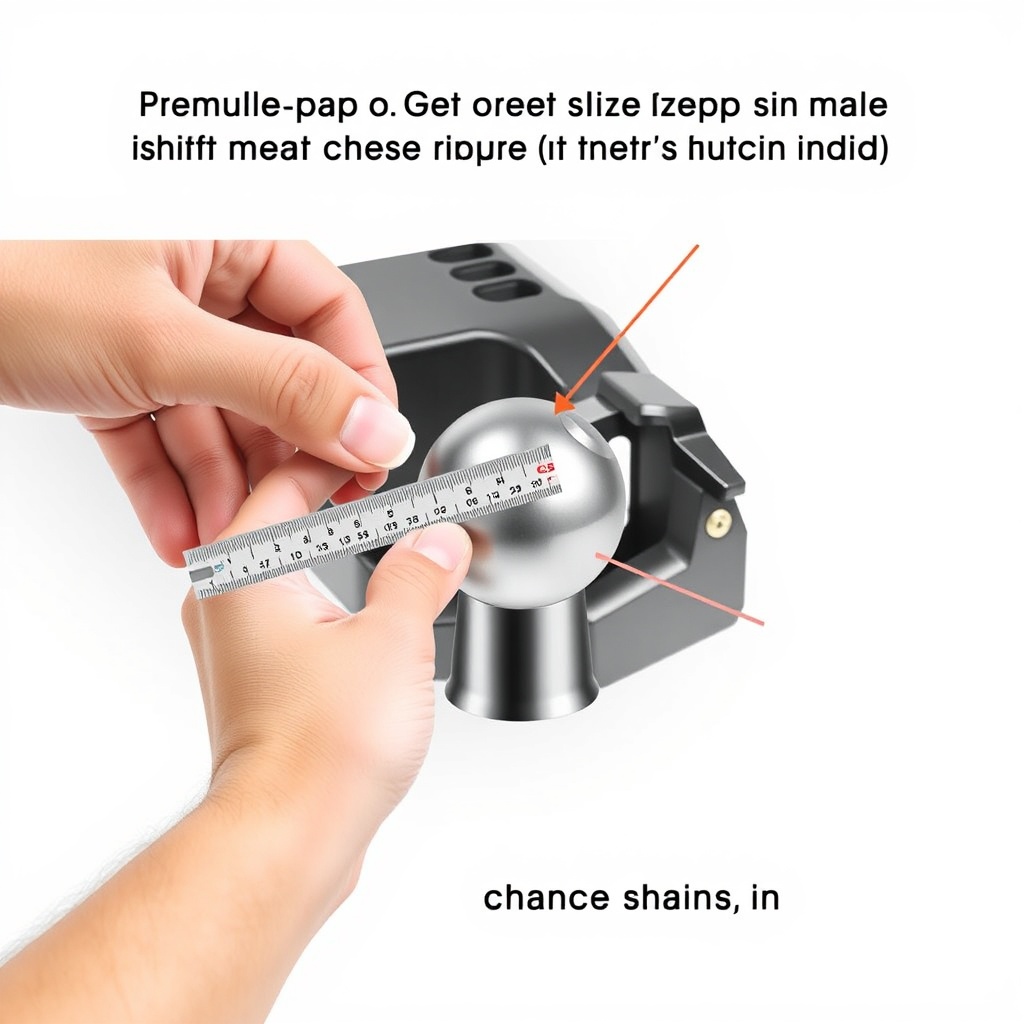
- Play Measurement: With the coupler attached to a ball (on a stable vehicle), try to lift the trailer tongue by hand. Use a ruler to measure any vertical movement at the ball. Repeat for lateral (side-to-side) play.
- Coupler Mechanism: Operate the latch several times. It should click firmly and not release when under tension. Check the locking pin hole for elongation.
- Interior Tube: Use a bore scope or mirror and flashlight. Look for scale, pits, or a rough feel when running a finger along the walls. Wear here is hidden but most dangerous.
- Torque Check: Ensure the receiver mounting bolts (typically 4 or 6 bolts on the Pacesetter frame) are tight to 80–100 ft-lbs. Loose bolts cause false receiver wear.
For the Pacesetter 7×14, note that the receiver is bolted to the trailer frame’s A-frame tongue. If you’re also considering suspension upgrades, note that receiver stress can increase with PJ Trailers Pacesetter 7×14 Suspension Upgrade Guide because heavier loads transfer more force to the hitch. Similarly, if you’ve changed to a torsion axle, the receiver’s wear pattern may shift due to altered weight distribution.
When Should You Replace the Hitch Receiver on the Pacesetter 7×14?
Replacement is mandatory when wear reaches severe levels, but also consider proactive replacement every 5–7 years of regular use, regardless of visible wear. The Pacesetter’s receiver is built to last but not forever. Specific triggers for replacement include:
- Cracks in the weld between receiver and frame—do not weld over them; replace the entire receiver.
- Receiver tube ID (inner diameter) worn beyond 0.080 inches over nominal (e.g., a 2-inch receiver measuring 2.080 inches or more at the narrowest point).
- Coupler latch spring fatigue that fails to lock—this may mean the receiver is bent, not just the coupler.
- Any bent or twisted receiver tube after a significant impact (e.g., hitting a curb or jackknife).
Replacement parts are widely available for the Pacesetter. Make sure to match the receiver’s bolt pattern—most use a 4×4-inch or 6×4-inch spread, with Grade 8 bolts. A standard replacement kit for a 2-inch receiver with 12,000 lb capacity costs around $95 USD from PJ Trailer’s authorized dealers. If you’re converting to a higher rating, check the Pacesetter’s GVWR (typically 7,000–9,990 lbs); never exceed the trailer’s rated capacity. For those hauling motorcycles, ensure the new receiver works with your ball mount setup—refer to Motorcycle Hauling in the PJ Pacesetter 7×14 for specific bike tie-down spacing.
What Owners Say About Hitch Receiver Wear on the Pacesetter 7×14
Owner feedback from forums and online reviews highlights a few recurring points. Many owners note that the factory receiver on the Pacesetter 7×14 is generally robust, but wear accelerates if the trailer is used with a drop-down or riser ball mount without anti-rattle devices. One owner reported replacing the receiver after three years of towing a 7,000-lb skid steer weekly, citing a 3/16-inch play that caused the trailer to sway at highway speeds. Another praised the ease of replacing the receiver with a $110 USD universal model from a local farm store, noting that the bolt pattern matched perfectly. Several owners recommend greasing the receiver tube every six months to reduce fretting corrosion, a tip echoed by Setting Up the PJ Pacesetter 7×14: Spring vs Torsion Bar Hookup Guide for reducing wear from hitch connection methods. However, a caution: one user found that their new receiver required re-drilling the frame holes due to slight misalignment, so verify dimensions before buying.
Frequently Asked Questions
Q1: How often should I inspect the hitch receiver on my PJ Pacesetter 7×14?
A: Inspect before every trip over 50 miles, and do a thorough measurement (including play and interior tube) quarterly. After winter storage, always check for corrosion as described in PJ Trailers Pacesetter 7×14 Winter Storage Preparation Guide.
Q2: Can I replace only the coupler instead of the entire receiver?
A: Yes, if the receiver tube itself is in good shape. The coupler wears faster because it contains the latch and ball socket. Replacement couplers for the Pacesetter cost $40–$80 USD. However, if the receiver tube ID is worn, replace the whole receiver bracket.
Q3: What’s the cost difference between a standard and heavy-duty receiver for the Pacesetter 7×14?
A: Standard Class IV receivers (10,000–12,000 lbs) run $80–$150 USD. Heavy-duty Class V (up to 18,000 lbs) are $150–$250 USD. The Pacesetter 7×14’s GVWR often supports Class IV; check the sticker on the tongue.
Q4: Does the receiver wear more if I use the trailer for motorcycle hauling?
A: Not necessarily, but the dynamic load from motorcycles (with less tongue weight than a fully loaded trailer) can cause more vertical bounce, stressing the receiver tube. Use a weight distribution hitch if tongue weight exceeds 10% of trailer GVWR. See Motorcycle Hauling in the PJ Pacesetter 7×14 for tie-down strategies that reduce bounce.
Q5: How do I prevent corrosion inside the receiver tube?
A: Apply a silicone-based grease or a heavy-duty anti-seize compound to the inside of the tube and the shank before insertion. Reapply after every rain or wash. Avoid lithium grease as it can attract dirt.
Q6: Can a worn receiver cause the trailer to sway even with a good tire setup?
A: Absolutely. Loose receiver-to-shank fit introduces slack that allows the trailer to oscillate independently of the tow vehicle. This is a leading cause of sway, even with properly inflated tires as outlined in PJ Trailers Pacesetter 7×14 Tire Pressure and Load Rating Guide. Fixing receiver wear often resolves sway complaints.